What They May Reveal About Heart Health
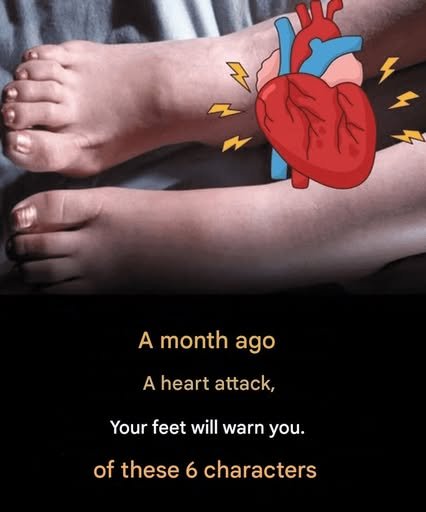
A heart attack doesn’t usually announce itself through the feet alone. However, changes in the feet and legs can sometimes point to problems with blood circulation that deserve medical attention.
One important condition is peripheral artery disease (PAD), which occurs when arteries supplying the legs become narrowed. PAD is associated with the same underlying artery disease that can affect the heart and can increase the risk of heart attack and stroke.
That means certain foot and leg changes shouldn’t simply be dismissed as getting older.
Here are six signs worth knowing.
1. Feet That Feel Unusually Cold
If one foot or both feet repeatedly feel much colder than usual, particularly when there is no obvious environmental reason, circulation may need to be evaluated.
Reduced blood flow can cause one leg or foot to feel cooler than the other. The American Heart Association lists cooler skin on one foot or leg among possible changes associated with PAD.
Cold feet by themselves do not mean a heart attack is approaching. Many harmless conditions can also cause them.
2. Changes in the Color of Your Feet
Noticeable changes in skin color can sometimes indicate reduced circulation.
A foot or leg affected by poor arterial blood flow may appear unusually pale or develop other color changes. The American Heart Association identifies changes in skin color as one possible sign of PAD.
Sudden or severe color changes, especially when accompanied by pain, numbness or coldness, deserve prompt medical assessment.
3. Leg or Foot Pain When Walking
One of the classic symptoms of PAD is pain or cramping that develops during walking or exercise and improves after resting.
The discomfort may occur in the calf, thigh, buttock, ankle or foot. It can feel like aching, burning, cramping, fatigue or heaviness.
This pattern is particularly important because people sometimes mistake it for ordinary muscle soreness or aging.
4. Wounds That Heal Slowly
A small cut, blister or sore on the foot that takes unusually long to heal can be a reason to have circulation checked.
Reduced blood flow can make it harder for tissues to receive the oxygen and nutrients they need for healing. Slow-healing wounds are among the possible signs of PAD.
People with diabetes should be especially attentive to foot wounds and changes.
5. Less Hair Growth or Slower Toenail Growth
Changes in the appearance of your feet and lower legs can sometimes accompany circulation problems.
The American Heart Association lists less hair growth on the legs and slower toenail growth among possible signs of PAD.
These signs aren’t specific to heart disease, so they should be considered alongside other symptoms and risk factors rather than interpreted on their own.
6. Persistent Swelling of the Feet or Legs
Swollen feet and ankles can have many causes, including prolonged sitting or standing, certain medications, injuries and vein problems.
However, leg swelling can sometimes occur with heart disease and other serious conditions. Mayo Clinic notes that swelling can result from fluid buildup and may sometimes be associated with heart problems or blood clots.
Swelling accompanied by shortness of breath, chest pain, fainting or significant breathing difficulty requires urgent medical attention.
These Foot Signs Do NOT Mean a Heart Attack Is Coming
This is an important distinction.
Having cold feet, swollen ankles, foot pain or slow-growing toenails does not mean you will have a heart attack within a month.
There is no medically established “six foot signs one month before a heart attack” checklist.
Instead, some foot and leg symptoms can indicate circulation problems such as PAD. Because PAD is associated with cardiovascular disease, these symptoms may be a reason to discuss your overall heart-health risk with a healthcare professional.
Know the Actual Warning Signs of a Heart Attack
More important than watching your feet is recognizing the symptoms of an actual heart attack.
Common warning signs include:
- Pressure, squeezing, fullness or pain in the chest
- Shortness of breath
- Pain or discomfort in one or both arms
- Pain in the back, neck or jaw
- Cold sweating
- Nausea or vomiting
- Lightheadedness or sudden dizziness
- Unusual fatigue
Some people, particularly women, older adults and people with diabetes, may have less typical symptoms or little obvious chest pain.
Some heart attacks happen suddenly, while others are preceded by symptoms hours, days or even weeks beforehand.
What Should You Do If You Notice These Changes?
Don’t panic based on a single symptom.
Instead, pay attention to patterns and discuss persistent or unexplained changes with a healthcare professional. Depending on your symptoms and risk factors, they may evaluate your circulation, blood pressure, cholesterol, blood sugar and overall cardiovascular risk.
Risk factors such as smoking, high blood pressure, high cholesterol, diabetes, obesity and a strong family history can increase the likelihood of coronary artery disease.
When It’s an Emergency
If you develop chest pressure or pain, difficulty breathing, cold sweating, sudden dizziness, nausea, or pain spreading to your arm, back, neck or jaw, do not wait for foot symptoms or try to diagnose the problem at home.
Seek emergency medical help immediately. Heart attacks require rapid treatment, and delaying care can increase heart damage.
Similarly, sudden unexplained swelling or pain in one leg, particularly if accompanied by breathing difficulty or chest pain, can require urgent evaluation because a blood clot is another possible cause.
How to Protect Your Heart and Circulation
You cannot guarantee that a heart attack will never occur, but you can address many cardiovascular risk factors.
Helpful habits include:
- Don’t smoke or use tobacco.
- Stay physically active.
- Eat a balanced diet rich in vegetables, fruits, whole grains, legumes, nuts and other minimally processed foods.
- Keep blood pressure under control.
- Have cholesterol checked when appropriate.
- Manage blood glucose if you have diabetes.
- Maintain a healthy weight.
- Get adequate sleep.
- Follow prescribed treatments for cardiovascular risk factors.
Regular physical activity is particularly important for cardiovascular health and can also help maintain healthy circulation.
Final Thoughts
Your feet can sometimes provide clues about circulation, particularly when symptoms such as walking-related leg pain, cool skin, color changes or slow-healing wounds occur.
But these signs should not be presented as proof that a heart attack will happen in 30 days.
The more useful message is simple: persistent changes in your feet or legs deserve attention, especially when you have cardiovascular risk factors. And if classic heart-attack symptoms appear, seek emergency care immediately rather than waiting for them to pass.
SEO Details
SEO Title: 6 Foot Signs That May Point to Circulation Problems and Heart Risk
Meta Description: Learn about six foot and leg changes that may be associated with circulation problems, including PAD, and discover the real warning signs of a heart attack.
Focus Keyword: foot signs of heart problems
Slug: foot-signs-heart-problems
Category: Heart Health
Tags: Heart Health, Heart Attack, Circulation, Peripheral Artery Disease, Foot Health, Cardiovascular Health, Blood Flow