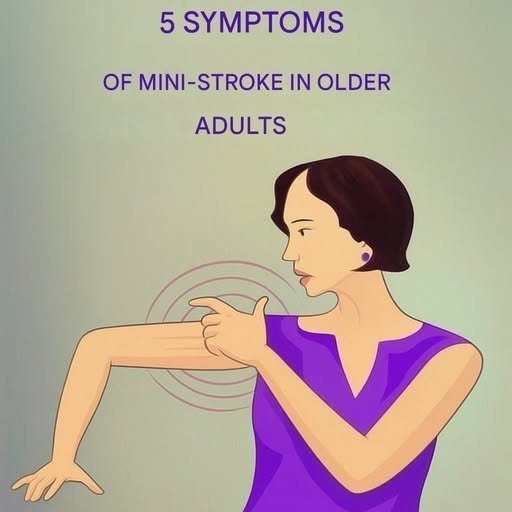
A sudden change in speech, vision, balance, or strength can be easy to dismiss—especially when it disappears after a few minutes.
But a temporary episode can sometimes be a transient ischemic attack (TIA), commonly called a “mini-stroke.” A TIA happens when blood flow to part of the brain is temporarily disrupted. Unlike a completed stroke, the symptoms may disappear without permanent brain injury, but that does not make a TIA harmless.
A TIA can be a warning sign that a more serious stroke could occur soon. Because it is impossible to reliably distinguish a TIA from a stroke at home, sudden stroke-like symptoms should be treated as an emergency.
1. Sudden Weakness or Numbness
One of the classic warning signs is sudden weakness or numbness, particularly on one side of the body.
You might notice:
- One arm suddenly becoming weak
- One side of the face drooping
- Numbness in an arm, leg, or face
- Difficulty holding an object
- Trouble raising both arms evenly
The symptom may improve or completely disappear, but that doesn’t mean it should be ignored.
2. Sudden Trouble Speaking or Understanding
A TIA can temporarily affect the areas of the brain involved in language.
Someone may suddenly:
- Slur their words
- Have difficulty finding words
- Speak strangely or incoherently
- Struggle to understand what someone is saying
- Have difficulty communicating despite knowing what they want to say
Sudden speech problems deserve immediate medical attention, even if normal speech returns.
3. Sudden Vision Changes
Temporary vision changes can also occur.
A person may suddenly experience:
- Blurred vision
- Double vision
- Loss of vision in one eye
- Partial loss of the visual field
- Difficulty seeing objects clearly
Sudden vision loss or significant changes in vision should never simply be attributed to aging.
4. Sudden Dizziness or Loss of Balance
A TIA or stroke can sometimes affect areas of the brain responsible for balance and coordination.
Warning signs can include:
- Sudden severe dizziness
- Difficulty walking
- Unexplained stumbling
- Loss of coordination
- Feeling suddenly unable to stand safely
These symptoms can have many other causes, but when they begin suddenly—especially alongside speech, vision, or weakness symptoms—urgent assessment is important.
5. Sudden, Unusual Neurological Symptoms
Some TIAs don’t fit neatly into one obvious category.
A person may suddenly develop confusion, difficulty coordinating movements, unusual difficulty swallowing, or other abrupt neurological changes.
The key feature is often sudden onset.
A new neurological symptom that appears without warning should be evaluated rather than assumed to be ordinary aging, tiredness, or low energy.
Remember FAST
One of the easiest ways to recognize common stroke warning signs is FAST:
F — Face: Does one side of the face droop?
A — Arms: Is one arm weak or numb?
S — Speech: Is speech slurred, strange, or difficult to understand?
T — Time: Call emergency medical services immediately.
Even if the symptoms disappear, don’t simply wait for them to return. A TIA requires medical assessment because it can indicate an increased risk of a future stroke.
Why a “Mini-Stroke” Still Matters
The term “mini-stroke” can make the condition sound harmless.
It isn’t.
A TIA is a warning event. It indicates that something has temporarily interfered with blood flow to the brain and that the person may have an underlying risk factor requiring investigation.
Doctors may evaluate factors such as:
- Blood pressure
- Heart rhythm
- Cholesterol
- Diabetes
- Carotid artery disease
- Other cardiovascular risk factors
Depending on the suspected cause, medical treatment may be recommended to reduce the risk of a future stroke.
What Should You Do If Symptoms Disappear?
Don’t assume everything is fine simply because the person feels normal again.
A TIA can last only minutes, and symptoms may completely disappear. Nevertheless, the person should receive urgent medical evaluation.
If symptoms are happening right now, especially sudden facial drooping, arm weakness, speech difficulty, vision loss, or severe balance problems, seek emergency medical care immediately.
Do not drive the person yourself if emergency medical services are available.
What Should You Not Do?
Avoid waiting several hours to see whether symptoms return.
Don’t assume that the symptoms are simply caused by:
- Getting older
- Fatigue
- Dehydration
- Low blood sugar
- Stress
- Poor sleep
Those conditions can cause some symptoms that resemble neurological problems, but sudden stroke-like symptoms need to be evaluated first.
Reducing Stroke Risk Over Time
After medical evaluation, there are several established ways to reduce stroke risk, depending on an individual’s health:
- Keep blood pressure under control.
- Manage diabetes if present.
- Monitor cholesterol.
- Don’t smoke.
- Stay physically active as medically appropriate.
- Follow prescribed medications carefully.
- Maintain a balanced eating pattern.
- Address heart rhythm problems such as atrial fibrillation when diagnosed.
Never stop or change prescribed medication without discussing it with a healthcare professional.
Final Thoughts
A TIA may disappear quickly, but the event itself should never be ignored.
Sudden weakness, speech problems, vision changes, loss of balance, or other abrupt neurological symptoms can be warning signs of a stroke or TIA.
The safest approach is to treat sudden stroke-like symptoms as an emergency, even when they improve.
When it comes to the brain, waiting to see what happens can cost valuable time.