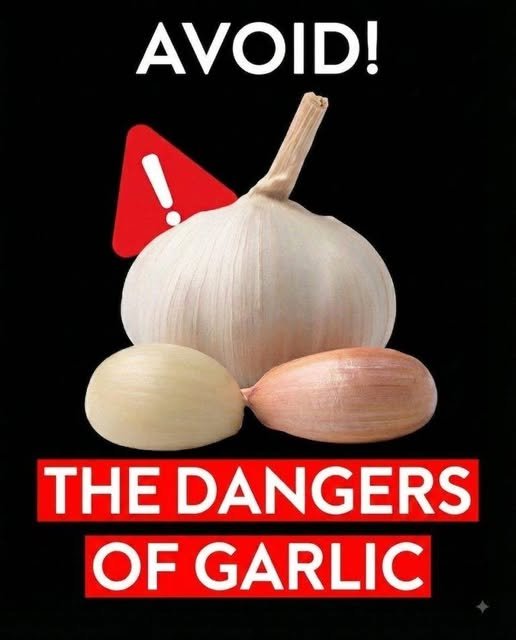
Garlic is a flavorful ingredient used around the world in cooking. It contains sulfur-containing compounds and can be part of a healthy, balanced diet. But more garlic isn’t always better, and the way you prepare or consume it can matter.
Here are 10 common mistakes worth avoiding when adding garlic to your diet.
1. Eating Large Amounts at Once
Garlic can cause heartburn, stomach discomfort, nausea, bloating, or diarrhea in some people, particularly when eaten raw.
Instead of consuming large quantities, use reasonable amounts as part of regular meals.
2. Eating Raw Garlic on an Empty Stomach
Some people tolerate raw garlic well, but others experience significant stomach irritation when they eat it without food.
If raw garlic bothers your stomach, try adding it to a meal instead.
3. Assuming More Garlic Means More Health Benefits
Garlic is nutritious, but consuming excessive amounts doesn’t guarantee greater health benefits.
A balanced diet matters much more than relying on one ingredient.
4. Swallowing Whole Garlic Cloves
Swallowing whole cloves is unnecessary and can be uncomfortable or difficult to digest.
Garlic is better incorporated into food after being properly chopped, crushed, sliced, or cooked.
5. Ignoring Garlic-Related Heartburn
Garlic can aggravate reflux or heartburn in some individuals.
If you consistently notice burning or discomfort after eating garlic, reduce the amount or avoid it and discuss persistent symptoms with a healthcare professional.
6. Applying Raw Garlic Directly to the Skin
This is an important one.
Raw garlic can cause significant skin irritation and even chemical-like burns when applied directly to the skin, especially when left in contact for an extended period.
Garlic should generally be used as food rather than as a homemade topical treatment.
7. Using Garlic Instead of Prescribed Medicine
Garlic should not replace medication prescribed for high blood pressure, high cholesterol, infections, diabetes, or other medical conditions.
Food can support a healthy lifestyle, but it isn’t a substitute for appropriate medical treatment.
8. Forgetting About Possible Medication Interactions
Garlic, particularly in concentrated supplement form, may affect blood clotting and can interact with certain medicines.
If you take blood-thinning medication or other regular prescriptions, talk with your doctor or pharmacist before using high-dose garlic supplements.
9. Keeping Prepared Garlic Improperly
Fresh garlic and garlic-containing foods should be handled and stored properly.
In particular, homemade garlic preserved in oil requires special care because improperly stored garlic-in-oil mixtures can create conditions that allow Clostridium botulinum to grow.
When in doubt, follow established food-safety guidance and don’t keep homemade garlic-in-oil preparations at room temperature.
10. Believing Every Garlic Health Claim Online
Garlic is often promoted as a cure-all for everything from infections to cancer and weight loss.
Although garlic has been studied for several possible health effects, evidence does not support treating it as a universal cure. Be cautious of claims promising dramatic results from eating a particular amount of garlic every day.
What’s a Sensible Way to Eat Garlic?
For most people, the simplest approach is to use garlic as a normal cooking ingredient.
Add it to:
- Soups and stews
- Roasted vegetables
- Pasta
- Chicken and fish
- Beans and lentils
- Sauces and marinades
- Salads and dressings
Cooking can change garlic’s flavor and some of its compounds, but it remains a useful and flavorful addition to meals.
Fresh Garlic vs. Garlic Supplements
Garlic supplements can contain much more concentrated amounts of garlic-derived compounds than ordinary food.
That doesn’t automatically make them better. If you’re considering garlic supplements for a specific health reason, discuss them with a healthcare professional—especially if you take medication or have a medical condition.
The Bottom Line
Garlic can be a delicious and nutritious part of your diet, but it isn’t a miracle cure. Avoid excessive amounts, be careful with raw garlic if it irritates your stomach, never use it as a substitute for prescribed treatment, and take extra care with concentrated supplements and homemade garlic preserved in oil.
Used sensibly, garlic is best enjoyed for what it is: a flavorful ingredient that can make healthy meals taste even better.