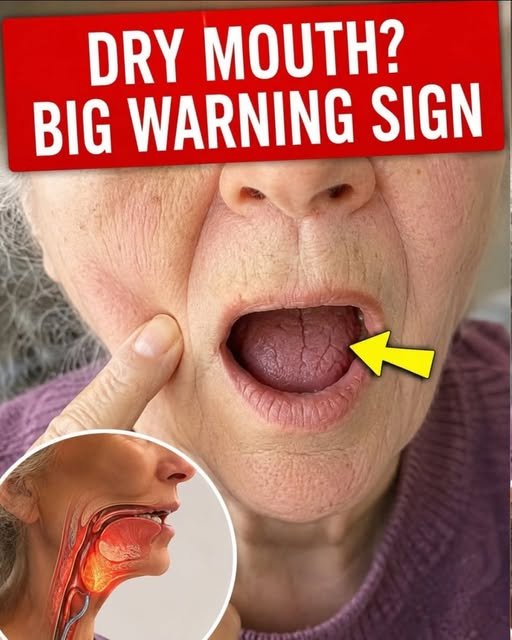
Dry mouth is a common problem, especially as people get older, but persistent dryness should not automatically be dismissed as a normal part of aging. If your mouth frequently feels sticky, your tongue seems dry, swallowing becomes uncomfortable, or you need water every few minutes, your body may be producing less saliva than your mouth needs.
Saliva plays an essential role in oral health. It helps you chew and swallow food, begins the digestive process, protects tooth enamel, controls harmful bacteria, and keeps the tissues inside your mouth comfortable. When saliva production decreases or saliva evaporates too quickly, everyday activities such as eating, speaking, and sleeping can become uncomfortable.
The medical term for the sensation of having a dry mouth is xerostomia. It may occur because the salivary glands produce less saliva, because certain medications change saliva production, or because other factors increase moisture loss from the mouth.
The important point is that dry mouth is a symptom, not a diagnosis. It does not necessarily mean your salivary glands are shutting down permanently, but ongoing symptoms deserve attention.
What Happens When Your Mouth Does Not Produce Enough Saliva?
Your salivary glands produce fluid throughout the day, with production changing according to eating, drinking, sleep, hydration, and other bodily processes.
Healthy saliva contains water, electrolytes, digestive enzymes, and proteins that help protect the mouth. It lubricates oral tissues, washes away food particles, helps neutralize acids, and supports the natural balance of bacteria.
When saliva becomes insufficient, several problems can develop:
- Difficulty swallowing: Dry food may feel difficult to move down your throat.
- Trouble chewing: Crackers, bread, meat, and other dry foods may be harder to eat.
- Bad breath: Reduced saliva can allow food debris and odor-producing bacteria to accumulate.
- Dental cavities: Teeth may become more vulnerable to decay, particularly around the gumline and roots.
- Mouth irritation: Your tongue, gums, and inner cheeks may feel sore, sticky, or sensitive.
- Taste changes: Food may taste different, bland, or unusually unpleasant.
- Oral infections: Some people with persistent dry mouth develop oral thrush or other mouth problems.
- Sleep disruption: Dryness may wake you during the night or make mornings uncomfortable.
These symptoms can affect quality of life, but identifying the underlying cause often makes treatment more effective.
Is Dry Mouth Really a Normal Part of Aging?
Not necessarily.
Older adults are more likely to experience dry mouth, but age alone does not fully explain the problem. One of the most important reasons is that older adults are more likely to take medications that reduce saliva production.
Changes in general health, hydration, oral breathing, and medical conditions may also contribute.
Aging does not automatically mean that your salivary glands should stop functioning properly. Persistent dryness should therefore be investigated rather than accepted without question.
If your mouth has suddenly become dry, or the symptoms are gradually worsening, consider whether anything has changed recently, including a new medication, a change in your health, or your sleeping habits.
7 Common Reasons Your Mouth May Feel Constantly Dry
1. Medications That Reduce Saliva Production
Medications are among the most common causes of persistent dry mouth.
Several types of medicines can contribute, including:
- Certain antidepressants and anxiety medications
- Antihistamines used for allergies
- Some medicines for high blood pressure
- Certain bladder-control medications
- Some pain medicines
- Certain sleep aids and sedating medicines
- Some medicines used to treat neurological conditions
The effect varies from person to person. Taking several medications that cause dryness can increase the likelihood of symptoms.
If your dry mouth began after starting a new medicine or changing a dose, discuss the timing with your doctor or pharmacist. Do not stop a prescribed medicine or change its dose without professional guidance.
2. Dehydration
Your body needs enough fluid to maintain normal saliva production.
Dehydration can occur when you drink too little, sweat heavily, exercise in hot weather, experience fever, or lose fluids through vomiting or diarrhea.
You may also notice thirst, darker urine, reduced urination, fatigue, or lightheadedness, although symptoms vary.
For many people, drinking water regularly helps relieve mild dryness caused by insufficient fluid intake. However, persistent dry mouth despite adequate hydration suggests that another factor may be involved.
People who have been instructed to restrict fluids because of heart, kidney, or other medical conditions should follow their clinician’s advice rather than deliberately increasing fluid intake.
3. Sleeping With Your Mouth Open
If your mouth feels extremely dry when you wake up, nighttime mouth breathing may be contributing.
Nasal congestion, allergies, certain sleeping positions, and habitual mouth breathing can increase moisture loss. Snoring and obstructive sleep apnea may also be associated with waking up with a dry mouth.
Pay attention to other symptoms, particularly loud habitual snoring, witnessed pauses in breathing, morning headaches, or excessive daytime sleepiness. These symptoms may warrant an assessment for a sleep-related breathing disorder.
Try addressing nasal congestion with appropriate medical advice and maintaining comfortable bedroom conditions. Avoid taping your mouth shut, particularly if you have nasal obstruction or possible sleep apnea.
4. Diabetes and High Blood Sugar
Persistent dry mouth can occur in people with diabetes. High blood glucose may contribute to increased urination and fluid loss, leaving the body dehydrated.
Other possible symptoms of diabetes include:
- Increased thirst
- Frequent urination
- Unexplained weight loss
- Blurred vision
- Unusual fatigue
- Slow-healing wounds
Dry mouth alone does not mean you have diabetes. However, if it occurs alongside these symptoms or you have other diabetes risk factors, discuss blood glucose testing with a healthcare professional.
Severe thirst and frequent urination accompanied by vomiting, abdominal pain, deep or rapid breathing, confusion, or marked weakness require urgent medical assessment.
5. Sjögren’s Disease and Other Autoimmune Conditions
Sjögren’s disease is an autoimmune condition that can affect the glands responsible for producing saliva and tears.
People with this condition may experience persistent dry mouth, dry eyes, difficulty swallowing dry food, and an increased risk of dental problems.
Some may also develop fatigue, joint discomfort, or swelling around the salivary glands.
Dry mouth and dry eyes do not automatically indicate Sjögren’s disease. Other conditions and medications can cause similar symptoms, so diagnosis requires a clinical assessment and, when appropriate, additional tests.
If your mouth and eyes are persistently dry, especially when the symptoms occur together, arrange an appointment with a healthcare professional.
6. Tobacco, Alcohol, and Excessive Caffeine
Tobacco use, alcohol, and some caffeinated drinks may worsen dryness or irritation in certain people.
Alcohol can also contribute to dehydration, while smoking may aggravate oral discomfort and increase other oral health risks.
If you frequently experience dry mouth, consider reducing alcohol, avoiding tobacco, and observing whether large amounts of caffeine make your symptoms worse.
Water is generally a better choice for regular hydration than sugary drinks or frequent acidic beverages, which may increase the risk of tooth decay or enamel erosion.
7. Radiation Treatment and Salivary Gland Problems
The salivary glands can be affected by certain medical treatments, especially radiation therapy involving the head or neck.
Surgery, injuries, salivary gland stones, and some inflammatory conditions can also interfere with saliva production or flow.
Depending on the cause, the problem may be temporary, manageable, or long-lasting.
If dryness develops after cancer treatment or occurs with painful swelling near the ear, cheek, or jaw, a clinician or dentist can help determine whether the salivary glands need further evaluation.
Warning Signs You Should Not Ignore
Occasional dryness after waking up or spending time in a hot environment is often temporary. Persistent symptoms are different, especially when they interfere with eating, speaking, or sleeping.
Consider arranging a medical or dental assessment if you experience:
- Dry mouth that continues for several weeks
- Frequent thirst despite drinking adequate fluids
- Difficulty swallowing or chewing
- Repeated mouth sores or suspected oral thrush
- New or worsening dental cavities
- Persistent burning or soreness of the tongue
- Dry mouth together with persistent dry eyes
- Swelling or recurring pain around the salivary glands
- Dryness that began after a medication change
Seek urgent medical care if you cannot swallow fluids, have difficulty breathing, become confused, or develop signs of severe dehydration.
How to Relieve Dry Mouth Naturally and Safely
The best approach depends on the cause. The following measures may help improve comfort and protect your teeth while you investigate persistent symptoms.
Sip Water Regularly
Take small sips of water throughout the day, especially when eating or speaking for long periods.
Keeping water beside your bed may help if you wake up with dryness. However, repeatedly drinking water without relief is a reason to investigate the cause rather than simply increasing your intake indefinitely.
Chew Sugar-Free Gum
Chewing sugar-free gum can stimulate saliva production when the salivary glands are still functioning.
Products containing xylitol may be useful for some people, but they should be used according to the product instructions. Xylitol is extremely toxic to dogs, so keep it away from pets.
If chewing is painful or difficult, sugar-free lozenges may be an alternative.
Choose Moist, Easy-to-Swallow Foods
Dry mouth can make certain foods uncomfortable to eat. Try adding broth, sauces, or other suitable moisture to meals.
Soft foods such as oatmeal, yogurt, soups, and moist cooked vegetables may be easier to swallow.
Avoid forcing yourself to eat dry, crumbly foods if swallowing is difficult. Persistent swallowing problems should be evaluated rather than managed through food changes alone.
Use a Humidifier if the Air Is Dry
A clean humidifier may help relieve dryness associated with a dry indoor environment, particularly during sleep.
Follow the manufacturer’s cleaning instructions to prevent microbial growth. A humidifier can improve comfort but will not treat an underlying medical condition that reduces saliva production.
Protect Your Teeth
Because saliva helps neutralize acids and protect tooth enamel, people with chronic dry mouth may need extra dental care.
Helpful measures include:
- Brush twice daily with fluoride toothpaste.
- Clean between your teeth daily.
- Limit frequent sugary snacks and drinks.
- Avoid using sugary sweets to stimulate saliva.
- Ask your dentist whether a prescription-strength fluoride product is appropriate.
- Attend regular dental examinations.
If you wear dentures, keep them clean and follow your dentist’s advice about managing dryness and irritation.
Consider Saliva Substitutes
Over-the-counter saliva substitutes, moisturizing mouth gels, and dry-mouth sprays can provide temporary relief.
Some products are designed to last longer than water, especially overnight. Choose a product intended for oral use, and ask a pharmacist or dentist for advice if you have persistent symptoms.
If your salivary glands are producing very little saliva, a clinician may consider prescription medication that stimulates saliva in selected patients. These medicines are not appropriate for everyone and can have side effects.
What About Lemon Water, Herbal Tea, and Home Remedies?
Warm water, mild herbal tea, or other non-irritating drinks may make your mouth feel more comfortable, particularly when you are dehydrated.
However, no particular tea or home remedy has been established as a universal treatment for salivary gland dysfunction.
Lemon water deserves special caution. Although its sour taste may stimulate saliva temporarily, frequent exposure to acidic drinks can erode tooth enamel. If you choose to drink it, avoid sipping it throughout the day, and rinse your mouth with plain water afterward.
Avoid placing undiluted essential oils, alcohol-based products, or irritating substances inside your mouth in an attempt to increase saliva production. These may worsen irritation.
The goal is not simply to make your mouth feel wet for a few minutes. It is to identify why the dryness is happening and protect your oral health.
How Doctors Diagnose Persistent Dry Mouth
A healthcare professional or dentist will usually begin by asking when the symptoms started, how severe they are, and whether they occur during the day, at night, or both.
They may review your medications, hydration, medical history, and other symptoms. An examination can help identify dental decay, oral irritation, infection, or changes involving the salivary glands.
Depending on your symptoms, further evaluation may include:
- Blood glucose testing if diabetes is suspected
- Blood tests when an underlying medical or autoimmune condition is possible
- Measurement of saliva flow in selected cases
- Assessment of salivary gland problems
- Evaluation for sleep-related breathing problems when appropriate
Not everyone needs all these tests. The investigation should be guided by the history and examination.
Can Dry Mouth Cause Permanent Dental Problems?
It can increase the risk of long-term dental damage if it remains untreated.
Without adequate saliva, acids and food debris may remain in the mouth longer, and the natural protection against tooth decay becomes less effective. People with persistent dry mouth may develop cavities more quickly, including around the gumline.
They may also experience gum irritation, oral infections, difficulty wearing dentures, and problems eating comfortably.
Early treatment can help reduce these risks. If you regularly experience dry mouth, tell your dentist even if you are not currently experiencing tooth pain. Dental decay may develop before it becomes noticeable.
Frequently Asked Questions
Is dry mouth always a sign of a serious disease?
No. Dry mouth may result from temporary dehydration, mouth breathing, medication side effects, or environmental conditions. Persistent or unexplained symptoms deserve assessment because they can also be associated with diabetes, autoimmune disease, or salivary gland problems.
Why is my mouth dry even when I drink plenty of water?
Water can relieve dryness temporarily, but it does not correct every cause. Medications, reduced saliva production, mouth breathing, and certain medical conditions may continue to cause symptoms even when your fluid intake is adequate.
Can dry mouth be a sign of diabetes?
Yes, dry mouth can occur with diabetes, particularly when high blood sugar contributes to fluid loss. It is not specific to diabetes, however. Blood glucose testing is the appropriate way to investigate a possible connection.
Does dry mouth become more common after age 50?
It can become more common with age, largely because of medications, medical conditions, and other contributing factors. It should not automatically be considered an unavoidable part of getting older.
What is the fastest way to relieve dry mouth?
Small sips of water, sugar-free gum, and an oral moisturizing gel or spray may provide temporary relief. The most effective long-term approach depends on the underlying cause.
When should I see a dentist for dry mouth?
Arrange an appointment if the dryness persists, affects eating or sleeping, or is accompanied by tooth sensitivity, cavities, mouth sores, or burning. A dentist can assess oral complications and recommend preventive treatment.
Final Thoughts
Dry mouth is not something you should automatically blame on aging. It may reflect a medication side effect, dehydration, nighttime mouth breathing, diabetes, an autoimmune condition, or a problem affecting the salivary glands.
Although the phrase “saliva shutting down” sounds alarming, dry mouth does not necessarily mean that your glands have stopped working permanently. Many causes can be managed once they are identified.
Pay attention to how long the symptoms last, whether other symptoms accompany them, and whether any medication or health changes occurred around the same time. If dryness is persistent, seek medical or dental advice instead of relying solely on home remedies.
Health disclaimer: This article is for educational purposes only and is not a substitute for professional medical advice, diagnosis, or treatment. Seek individualized care for persistent or worsening symptoms.
SEO Details
SEO Title: Dry Mouth Is Not Just Aging: Causes, Signs and Relief
Focus Keyphrase: causes of persistent dry mouth
URL Slug: dry-mouth-causes-warning-signs-relief
Meta Description: Persistent dry mouth is not always aging. Discover common causes, warning signs, safe remedies, and when to seek medical or dental care.
Suggested Tags: Dry Mouth, Xerostomia, Oral Health, Saliva Production, Dry Mouth Causes, Dental Health, Diabetes Symptoms, Salivary Glands, Healthy Aging, Dry Mouth Remedies