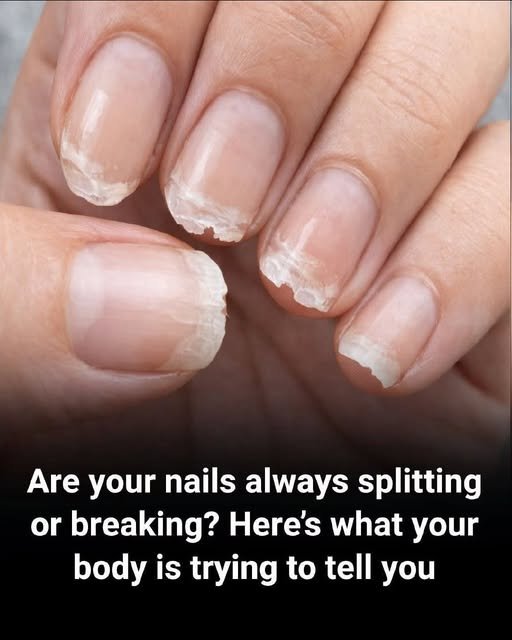
Your fingernails may seem like a small detail, but changes in their texture, strength, or appearance can sometimes provide clues about your overall health.
Weak, peeling, splitting, or brittle nails are common, and they don’t necessarily mean that something is seriously wrong inside your body. Frequent exposure to water and cleaning products, nail polish or removers, physical trauma, and simple aging can all affect nail strength.
However, persistent nail changes can occasionally be associated with nutritional deficiencies, skin conditions, hormonal problems, infections, or other health issues.
So, what might your nails be trying to tell you?
1. Your Nails May Be Getting Too Much Water Exposure
Repeatedly soaking and drying your hands can weaken nails.
Nails absorb water and expand when wet. Repeated cycles of expansion and drying can contribute to splitting and peeling over time.
People who frequently:
- Wash dishes
- Clean without gloves
- Wash their hands repeatedly
- Work with their hands in water
may notice more brittle nails.
What to Do
Wear protective gloves when cleaning or washing dishes, and apply a moisturizing hand cream after washing your hands.
Don’t completely avoid water—just reduce prolonged exposure when possible.
2. Your Nails May Be Damaged by Chemicals
Nail polish removers, cleaning products, detergents, and other chemicals can contribute to dryness and brittleness.
Acetone-based removers can be particularly drying when used frequently.
If your nails have become thin or fragile, consider taking occasional breaks from nail polish and minimizing unnecessary exposure to harsh chemicals.
3. You May Not Be Getting Enough Iron
Iron deficiency can sometimes be associated with changes in the nails.
In more significant cases, nails may become unusually thin or develop a concave, spoon-shaped appearance known as koilonychia.
Iron deficiency can also cause symptoms such as:
- Fatigue
- Weakness
- Pale skin
- Shortness of breath with activity
- Headaches
- Dizziness
Brittle nails alone do not prove that you are iron deficient.
If you have several symptoms or risk factors for iron deficiency, a healthcare professional can determine whether blood testing is appropriate.
4. Your Diet May Be Lacking Important Nutrients
Nails are made primarily of a protein called keratin, so adequate nutrition is important for normal nail growth.
A diet that is consistently low in calories, protein, or essential nutrients may affect hair, skin, and nails.
Nutrient deficiencies that can sometimes affect nail health include deficiencies of:
- Iron
- Zinc
- Protein
- Certain B vitamins
- Other essential nutrients
However, taking supplements without knowing whether you have a deficiency isn’t always helpful.
A balanced diet is usually the best starting point.
5. Your Thyroid May Need Attention
Certain thyroid disorders can cause changes in the hair, skin, and nails.
People with an underactive thyroid may experience dry skin, dry hair, and brittle nails, among other symptoms.
Other possible symptoms can include:
- Persistent tiredness
- Feeling unusually cold
- Constipation
- Changes in weight
- Dry skin
- Changes in mood
These symptoms can have many causes, so brittle nails alone should not be used to diagnose a thyroid problem.
If several symptoms occur together, talk with a healthcare professional.
6. Your Nails May Be Experiencing Normal Aging
Nails often become thinner, drier, or more brittle with age.
Growth may also slow, and vertical ridges can become more noticeable.
These changes are often part of normal aging and don’t necessarily indicate illness.
Keeping nails moisturized and protecting them from repeated trauma can help.
7. Nail Products May Be Taking a Toll
Frequent manicures, gel polish, acrylic nails, extensions, and aggressive filing can weaken the nail plate.
Removing artificial nails may also cause temporary damage if the natural nail is scraped or filed excessively.
If your nails are becoming thin or peeling:
- Take breaks between treatments.
- Avoid aggressive buffing.
- Don’t peel off gel polish.
- Use gentle removal techniques.
- Keep nails at a manageable length.
- Moisturize the nails and surrounding skin.
8. You May Have a Fungal Nail Infection
Fungal infections can cause nails to become:
- Thick
- Brittle
- Discolored
- Crumbly
- Distorted
The nail may turn yellow, white, brown, or another unusual color.
Fungal infections are more common in toenails but can affect fingernails as well.
Because several nail conditions can look similar, it’s better to have a healthcare professional confirm the cause before starting treatment.
9. A Skin Condition Could Be Affecting Your Nails
Conditions such as psoriasis, eczema, and other inflammatory skin disorders can sometimes affect the nails.
You may notice:
- Pitting
- Crumbling
- Separation of the nail from the nail bed
- Discoloration
- Thickening
If you already have a skin condition and notice new nail changes, mention them to your healthcare provider.
10. Repeated Trauma May Be the Real Cause
Something as simple as typing, opening containers, picking at the nails, biting them, or using them as tools can cause repeated damage.
Even small injuries can accumulate over time.
Avoid using your fingernails to pry, scrape, or open objects.
Your nails are not tools, and protecting them from mechanical stress can make a noticeable difference.
What Healthy Nails Generally Look Like
Healthy nails are usually:
- Smooth or relatively even
- Firm but slightly flexible
- Consistent in color
- Free from unexplained swelling
- Attached normally to the nail bed
A small pale half-moon at the base of the nail, called the lunula, is normal and may be more visible on some fingers than others.
Natural vertical ridges can also occur, especially with age.
Foods That Support Healthy Nails
Rather than focusing on one “nail vitamin,” aim for a varied diet that provides adequate protein and micronutrients.
Good choices include:
Eggs
Eggs provide high-quality protein and several nutrients important for normal body function.
Fish
Fatty fish provides protein and other important nutrients, including omega-3 fatty acids.
Beans and Lentils
These provide plant protein, iron, zinc, and other nutrients.
Nuts and Seeds
Almonds, pumpkin seeds, sunflower seeds, and other nuts and seeds provide protein, minerals, and healthy fats.
Leafy Greens
Spinach and other leafy greens contribute folate, iron, and various vitamins and minerals.
Meat and Poultry
Lean meat and poultry are concentrated sources of protein, iron, zinc, and other nutrients.
Fruits and Vegetables
A colorful variety provides vitamin C and many other compounds that support overall nutrition.
Should You Take Biotin for Brittle Nails?
Biotin is often marketed as a nail-strengthening supplement.
Some research suggests that high-dose biotin supplementation may improve nail strength in certain people with brittle nails, but the evidence is limited, and biotin deficiency itself is relatively uncommon.
More importantly, high doses of biotin can interfere with certain laboratory tests, including some tests used to evaluate heart and thyroid conditions.
Don’t assume that a supplement is necessary simply because your nails are brittle.
Discuss supplementation with a healthcare professional, particularly if you take medications or have upcoming blood tests.
How to Strengthen Brittle Nails Naturally
Try these simple habits:
- Keep nails trimmed to a comfortable length.
- Moisturize your hands and nails regularly.
- Wear gloves when washing dishes or using cleaning products.
- Avoid biting or picking your nails.
- Don’t use nails as tools.
- Limit frequent acetone exposure.
- Take breaks from artificial nails if your natural nails are damaged.
- Avoid aggressive buffing and filing.
- Eat enough protein and a varied diet.
- Treat underlying medical conditions when identified.
When Should You See a Doctor?
Brittle nails are often harmless, but persistent or unusual changes deserve attention.
See a healthcare professional if you notice:
- Sudden major changes in your nails
- Nails becoming very thin or spoon-shaped
- Significant discoloration
- Pain or swelling around the nail
- Nails separating from the nail bed
- Thick, crumbly nails
- A dark streak that is new or changing
- Changes affecting many nails without an obvious explanation
A new dark streak under a nail, particularly if it changes or extends onto the surrounding skin, should be evaluated promptly.
Final Thoughts
Weak or brittle nails don’t automatically mean your body is lacking a particular vitamin or suffering from a serious disease.
In many cases, the cause is much simpler: water exposure, harsh chemicals, nail treatments, repeated trauma, or normal aging.
However, persistent nail changes can sometimes accompany nutritional deficiencies, thyroid disorders, fungal infections, or skin conditions. Paying attention to changes and considering your overall symptoms can help you decide when professional evaluation is appropriate.
Instead of immediately reaching for supplements, start with gentle nail care, a balanced diet, adequate protein, and protection from repeated damage. If your nails continue to change despite these measures, a healthcare professional can help determine the underlying cause.
SEO Details
SEO Title: Weak or Brittle Nails: 10 Things Your Nails May Be Telling You
Focus Keyword: weak or brittle nails
Secondary Keywords: brittle nails causes, weak nails causes, why are my nails brittle, nail health, brittle fingernails, vitamins for healthy nails, nail deficiency symptoms
Suggested URL Slug: weak-or-brittle-nails-causes
Excerpt: Weak or brittle nails can have many causes, from water exposure and nail products to nutritional deficiencies and health conditions. Learn what your nails may be telling you and how to protect them.