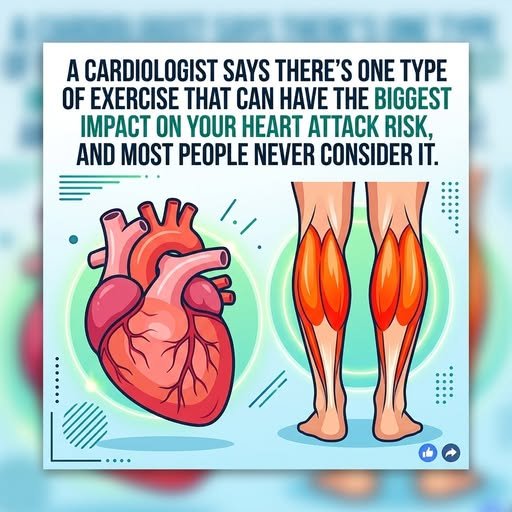
What if one of the simplest exercises could help protect your heart—and you don’t need a gym membership to do it?
For most adults, brisk walking is one of the easiest ways to build regular aerobic activity into daily life. While no single exercise can guarantee that someone will avoid a heart attack, regular physical activity can lower cardiovascular risk and help improve several important risk factors, including blood pressure, cholesterol, body weight, and blood sugar.
The American Heart Association recommends at least 150 minutes of moderate-intensity aerobic activity each week, or 75 minutes of vigorous activity, preferably spread throughout the week.
Why Brisk Walking Is So Useful
Walking may look simple, but when you increase the pace enough to raise your heart rate and breathing, it becomes moderate-intensity aerobic exercise.
Regular aerobic activity makes your cardiovascular system work more efficiently and can contribute to better overall heart health.
The American Heart Association specifically lists brisk walking as an example of moderate-intensity activity that can help reduce coronary heart disease risk.
How Fast Should You Walk?
You don’t necessarily need to sprint or walk until you’re exhausted.
A moderate-intensity pace generally means:
- Your heart is beating faster.
- You’re breathing harder than normal.
- You’re able to talk, but carrying on a long conversation becomes more difficult.
- You feel like you’re exercising, but you aren’t working at your maximum effort.
The CDC describes moderate-intensity activity as exercise that makes you breathe harder, raises your heart rate, and may cause you to break a sweat.
The 30-Minute Walking Routine
A simple routine for many adults is:
5 minutes: Easy warm-up
20 minutes: Brisk walking
5 minutes: Easy cool-down
Do this 5 days a week, and you reach 150 minutes of moderate activity.
You don’t have to complete all 30 minutes at once, either. Shorter periods of activity can be accumulated throughout the day.
What Happens When You Walk Regularly?
1. Your Blood Pressure May Improve
Regular physical activity can help lower blood pressure, which is important because high blood pressure is a major cardiovascular risk factor.
2. Your Cholesterol Profile May Improve
Physical activity can contribute to healthier cholesterol levels, particularly when combined with a heart-healthy diet and other lifestyle changes.
3. You Can Improve Blood-Sugar Control
Regular activity also supports metabolic health and can reduce the risk of type 2 diabetes. Since diabetes substantially increases cardiovascular risk, maintaining healthy blood sugar is an important part of protecting the heart.
4. It Can Help With Weight Management
Walking burns energy and can be part of a sustainable approach to maintaining a healthy weight.
You don’t need to turn every walk into an exhausting workout. Consistency is more important than trying to do too much too quickly.
5. It Reduces the Harm of a Sedentary Lifestyle
Sitting for long periods is associated with poorer health outcomes.
The American Heart Association recommends moving more and sitting less, noting that even light activity can help offset some risks associated with prolonged inactivity.
Don’t Stop at Walking
Walking is an excellent starting point, but a well-rounded exercise routine includes more than aerobic activity.
The American Heart Association recommends adding muscle-strengthening exercise at least two days per week. Examples include:
- Squats
- Lunges
- Resistance-band exercises
- Weight training
- Bodyweight exercises
- Light resistance exercises
Combining aerobic activity with strength training gives you a more complete fitness routine.
What If You Haven’t Exercised in Years?
Don’t try to immediately complete a difficult workout.
Start with 10–15 minutes of comfortable walking and gradually increase the duration and pace.
The American Heart Association recommends increasing activity gradually, particularly if you’ve been inactive.
Even a few minutes of movement is a better starting point than remaining completely inactive.
A Simple Weekly Heart-Healthy Exercise Plan
Monday
30-minute brisk walk
Tuesday
20–30-minute walk + light strength training
Wednesday
30-minute brisk walk
Thursday
20–30-minute walk + strength training
Friday
30-minute brisk walk
Saturday
30–45-minute relaxed or brisk walk
Sunday
Light movement, stretching, or rest
This is only an example. Your exercise routine should be adjusted according to your age, fitness level, health conditions, and healthcare professional’s advice.
Exercise Isn’t the Only Way to Reduce Heart Attack Risk
Physical activity is important, but heart-attack prevention involves several factors.
The American Heart Association recommends paying attention to cardiovascular health factors such as:
- Blood pressure
- Cholesterol
- Blood sugar
- Body weight
- Physical activity
- Diet
- Sleep
- Tobacco use
For example, someone who exercises regularly but continues to smoke and has uncontrolled high blood pressure still has important cardiovascular risk factors that need attention.
Don’t Ignore Warning Signs
Exercise is for prevention and general health—it isn’t a treatment for symptoms of a heart attack.
Seek emergency medical help if you experience possible heart-attack symptoms such as:
- Pressure, squeezing, or pain in the chest
- Pain or discomfort spreading to the arm, shoulder, back, neck, jaw, or upper abdomen
- Shortness of breath
- Cold sweating
- Nausea
- Unusual weakness or lightheadedness
Heart attacks don’t always look the same in every person, and symptoms can differ between individuals.
Who Should Talk to a Doctor Before Increasing Exercise?
If you’ve been inactive for a long time or have a known heart or other chronic health condition, it’s sensible to discuss your exercise plans with a healthcare professional.
This is particularly important if you develop chest discomfort, unusual shortness of breath, dizziness, fainting, or other concerning symptoms during physical activity.
Don’t attempt to “push through” potentially serious symptoms.
The Bottom Line
There isn’t a magic exercise that can guarantee protection from a heart attack.
But regular brisk walking is one of the simplest and most accessible forms of aerobic exercise for supporting cardiovascular health.
Aim toward 150 minutes of moderate activity each week, gradually build your fitness, sit less, and add strength training at least twice a week.
Your heart doesn’t need a complicated workout. Consistent movement can make a meaningful difference.
SEO Details
SEO Title: Cardiologist Reveals the #1 Exercise to Help Lower Heart Attack Risk
Meta Description: Discover why brisk walking is a simple heart-healthy exercise and how regular physical activity may help lower cardiovascular risk.
Focus Keyword: exercise to prevent heart attack
Slug: exercise-to-help-prevent-heart-attack
Category: Heart Health
Tags: heart health, heart attack prevention, brisk walking, exercise, cardiovascular health, healthy heart, walking benefits, heart disease prevention