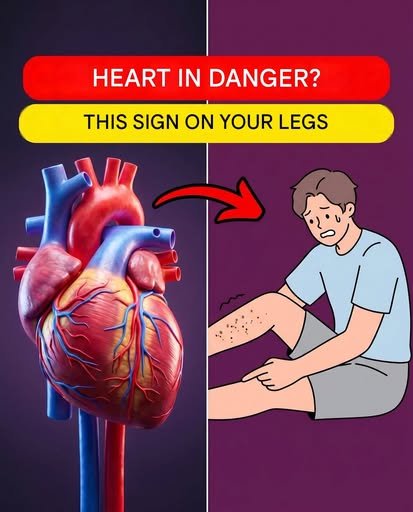
Your heart works continuously, often without you thinking about it. But sometimes the body gives signals that something may not be right.
Some heart conditions can remain silent until a serious event occurs, while others produce symptoms such as chest discomfort, breathlessness, unusual fatigue, dizziness, or swelling. The important thing is not to panic when you notice one of these symptoms, but to recognize when a new or persistent change deserves medical attention.
Here are six signs that shouldn’t simply be dismissed, particularly when they are new, unexplained, recurring, or getting worse.
1. Chest Pressure, Tightness, or Discomfort
Chest discomfort is one of the most important warning signs of a possible heart problem.
It doesn’t always feel like severe pain. It may feel like:
- Pressure
- Tightness
- Squeezing
- Fullness
- Burning
- An uncomfortable sensation in the center of the chest
During a heart attack, chest discomfort may last for several minutes or disappear and return. Some heart attacks begin gradually with relatively mild symptoms.
Chest discomfort can also result from conditions unrelated to the heart, including acid reflux, muscle problems, or anxiety. That is why trying to diagnose the cause yourself isn’t a good idea.
New or unexplained chest discomfort should be taken seriously.
2. Getting Short of Breath More Easily
Have ordinary activities suddenly become harder?
If you’re becoming unusually breathless while walking, climbing stairs, doing household chores, or performing activities that previously felt comfortable, it’s worth paying attention.
Shortness of breath can occur during a heart attack with or without chest discomfort. It can also occur with heart failure and many lung, blood, and other medical conditions.
A gradual decline in exercise tolerance doesn’t necessarily mean that your heart is failing, but an unexplained change from your normal level of activity deserves evaluation.
3. Unusual Fatigue or Weakness
Everyone feels tired sometimes.
The concern is unusual or persistent fatigue that doesn’t have an obvious explanation.
Heart-related problems can sometimes cause fatigue, and the American Heart Association lists unusual tiredness among possible heart attack symptoms. Women may be more likely to experience less typical symptoms such as unusual tiredness or weakness.
For example, you might notice that:
- Your usual walk suddenly feels exhausting.
- Simple household tasks require more effort.
- You need significantly more rest than usual.
- You feel weak despite getting adequate sleep.
Fatigue has countless possible causes, including poor sleep, anemia, infections, thyroid problems, medications, stress, and other health conditions.
Nevertheless, a significant unexplained change shouldn’t automatically be blamed on age.
4. Swelling in the Legs, Ankles, or Feet
Swelling can have many causes, but persistent swelling of the legs, ankles, or feet can sometimes occur with heart failure.
When the heart isn’t pumping blood effectively, fluid can build up in the body, potentially causing swelling in the lower limbs or abdomen. Shortness of breath and fatigue can occur at the same time.
Other causes of leg swelling include:
- Certain medications
- Kidney problems
- Liver disease
- Venous problems
- Prolonged standing or sitting
- Injury
- Other medical conditions
Therefore, swelling alone doesn’t prove that you have a heart problem.
But persistent or unexplained swelling—particularly when accompanied by breathlessness or reduced exercise tolerance—is worth discussing with a healthcare professional.
5. Dizziness, Lightheadedness, or Feeling Faint
Occasional dizziness can happen for relatively simple reasons, such as dehydration or standing up too quickly.
But dizziness or lightheadedness can also accompany certain heart problems, including heart attacks and abnormal heart rhythms.
Pay particular attention if dizziness occurs together with:
- Chest discomfort
- Shortness of breath
- Palpitations
- Sweating
- Weakness
- Fainting
A sudden episode of fainting or near-fainting should not simply be dismissed, especially if it occurs during physical activity.
6. Heart Palpitations or an Unusual Heartbeat
Have you ever felt your heart suddenly racing, pounding, fluttering, or skipping beats?
These sensations are called palpitations.
They can happen because of stress, caffeine, certain medications, dehydration, or other relatively harmless causes. But they can also occur with abnormal heart rhythms, known as arrhythmias.
Some arrhythmias cause no serious symptoms, while others require medical treatment.
Seek medical evaluation if palpitations are new, frequent, prolonged, or associated with chest pain, shortness of breath, dizziness, or fainting.
Other Symptoms You Shouldn’t Ignore
Heart-related symptoms aren’t always located directly over the heart.
A heart attack can cause discomfort in the:
- Arm or arms
- Shoulder
- Back
- Neck
- Jaw
- Upper stomach
Nausea, vomiting, cold sweating, unusual fatigue, and lightheadedness can also occur. Women may experience symptoms such as shortness of breath, nausea, unusual tiredness, and back, shoulder, or jaw discomfort.
This is one reason heart symptoms can sometimes be mistaken for indigestion, stress, muscle pain, or simply getting older.
When Is It an Emergency?
This is the most important part of the article.
If you currently have symptoms that could indicate a heart attack—particularly chest pressure or discomfort, shortness of breath, pain or discomfort spreading to the arm, back, neck, jaw, or stomach, cold sweating, nausea, or lightheadedness—seek emergency medical care immediately.
Don’t wait to see whether the symptoms become severe.
Heart attacks can start slowly, and symptoms may come and go. Prompt treatment can reduce damage to the heart muscle.
Use your local emergency medical service rather than driving yourself if emergency services are available.
How to Protect Your Heart Every Day
Recognizing symptoms is important, but prevention and risk-factor management matter too.
Several major cardiovascular risk factors can often be addressed with medical care and lifestyle changes.
Know your blood pressure
High blood pressure often produces no obvious symptoms, but it is an important cardiovascular risk factor.
Check your cholesterol
High cholesterol can contribute to plaque buildup in the arteries and increase cardiovascular risk.
Don’t smoke
Smoking damages blood vessels and substantially increases cardiovascular risk.
Stay physically active
Regular physical activity is an important part of cardiovascular health. The American Heart Association recommends that most adults gradually work toward at least 150 minutes of moderate-intensity aerobic activity per week, when appropriate for their health and abilities.
Eat a balanced diet
Emphasize vegetables, fruits, whole grains, legumes, nuts, seeds, and other minimally processed foods while keeping excessive sodium, added sugars, and unhealthy fats in check.
Manage diabetes
High blood sugar over time can damage blood vessels and increase cardiovascular risk.
Follow your treatment plan
If you’ve been diagnosed with high blood pressure, high cholesterol, diabetes, or another condition that increases heart risk, follow the treatment plan provided by your healthcare professional.
Don’t Blame Everything on Aging
One of the biggest mistakes people make is assuming that new symptoms are simply part of getting older.
Getting older does change the risk of cardiovascular disease, but that doesn’t mean persistent breathlessness, unusual fatigue, swelling, chest discomfort, or repeated dizziness should automatically be accepted as “normal.”
A new change from your usual health is worth paying attention to.
Final Thoughts
Your body doesn’t always give dramatic warnings when something is wrong with your heart.
Sometimes the signs can be subtle: unusual fatigue, breathlessness, swelling, dizziness, palpitations, or chest discomfort. These symptoms don’t automatically mean you have heart disease, but they can provide a reason to seek medical advice—especially when they are new, persistent, or occurring together.
And if you experience symptoms that could represent a heart attack right now, don’t wait for them to pass. Seek emergency medical care immediately.
Taking symptoms seriously doesn’t mean living in fear. It means knowing your normal, recognizing meaningful changes, and getting appropriate medical care when something doesn’t feel right.
SEO Title
6 Warning Signs Your Heart May Need Attention
Meta Description
Learn six important warning signs that may be linked to heart problems, including chest discomfort, breathlessness, unusual fatigue, swelling, dizziness, and palpitations.