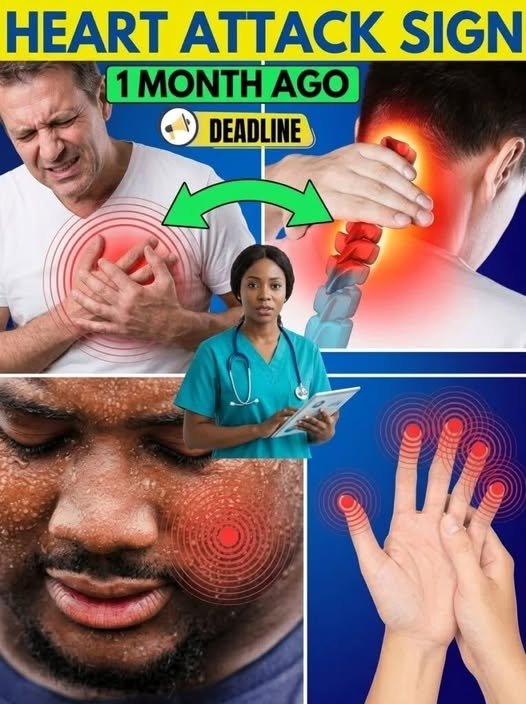
A heart attack is often imagined as a sudden event—a person suddenly grabs their chest and collapses. But the reality can be more complicated.
Some heart attacks begin gradually, with mild or unusual symptoms that may be mistaken for indigestion, stress, exhaustion, aging, or simply having a bad day. Other heart attacks can occur with very little warning. The American Heart Association notes that some heart attacks are “silent,” meaning symptoms may be mild, unusual, or unnoticed altogether.
That means it’s important to recognize changes in your body without assuming that every unusual symptom means a heart attack.
Here are seven symptoms that deserve attention, particularly when they are new, unexplained, recurring, or happening together.
1. Unusual or Persistent Fatigue
Everyone gets tired occasionally. But unexplained exhaustion that is unusual for you deserves attention.
Some people experiencing heart problems report unusual fatigue or weakness. The American Heart Association lists unusual tiredness among possible heart attack symptoms, and women may be more likely to experience fatigue or weakness as a less-recognized symptom.
You may notice that ordinary activities suddenly feel much more difficult.
For example, you might become unusually tired after:
- Walking a familiar distance
- Climbing stairs
- Doing household chores
- Shopping
- Performing routine physical activities
Fatigue has many possible causes, including anemia, poor sleep, infections, thyroid problems, medications, stress, and other medical conditions. Therefore, fatigue by itself cannot predict a heart attack.
But a new and unexplained change in energy shouldn’t simply be dismissed.
2. Shortness of Breath With Ordinary Activities
Becoming unusually breathless during activities that previously felt easy can be an important symptom.
Shortness of breath can occur with or without chest discomfort during a heart attack. It can also occur when the heart isn’t receiving enough oxygen-rich blood.
Pay attention if you notice something different from your normal pattern—for example, becoming unusually breathless while walking, climbing stairs, or performing everyday activities.
There are many non-cardiac causes of breathlessness, including lung conditions, anemia, infections, anxiety, and being out of condition. A healthcare professional can help determine the cause.
3. Repeated Chest Pressure or Discomfort
Chest pain doesn’t always feel like dramatic, crushing pain.
Heart-related discomfort can feel like:
- Pressure
- Tightness
- Squeezing
- Fullness
- Burning or discomfort
It may last for several minutes, disappear, and return.
The American Heart Association emphasizes that heart attacks can start slowly with mild pain or discomfort rather than appearing suddenly and intensely.
Some people may experience symptoms during physical activity or emotional stress that improve with rest. This pattern can be associated with angina and requires medical evaluation.
Do not wait for severe pain before taking chest symptoms seriously.
4. Discomfort in the Jaw, Back, Neck, Shoulder, or Arm
Heart-related discomfort isn’t necessarily located directly over the heart.
During a heart attack, discomfort can occur in the:
- Jaw
- Neck
- Back
- Shoulder
- One or both arms
- Upper stomach area
These symptoms can be particularly easy to dismiss as muscle strain, arthritis, indigestion, or another everyday problem.
Women may experience less-recognized symptoms such as back, shoulder, or arm discomfort along with fatigue, nausea, or shortness of breath.
A new combination of symptoms deserves more attention than an isolated ache that clearly follows an injury.
5. Nausea, Indigestion, or Heartburn-Like Discomfort
Heart problems can sometimes produce symptoms that feel like a digestive problem.
Possible symptoms include:
- Nausea
- Vomiting
- Indigestion
- Heartburn-like discomfort
- Upper abdominal discomfort
The difficulty is that these symptoms are extremely common and usually have causes unrelated to the heart.
However, indigestion-like symptoms accompanied by unusual fatigue, sweating, breathlessness, chest pressure, or upper-body discomfort should not automatically be assumed to be a stomach problem.
6. Unexplained Sweating or Lightheadedness
Breaking out in a cold sweat or suddenly feeling lightheaded can occur during a heart attack.
The American Heart Association lists cold sweating and lightheadedness among possible warning symptoms.
Again, these symptoms have many other possible explanations, including dehydration, low blood pressure, low blood sugar, infection, medication effects, and anxiety.
What matters is the context.
For example, unexplained sweating combined with chest discomfort, shortness of breath, nausea, or pain in the jaw or arm is much more concerning than sweating after exercising on a hot day.
7. A Noticeable Decline in Exercise Tolerance
One subtle change some people notice is that activities they previously handled comfortably suddenly become difficult.
Perhaps you used to walk around the neighborhood without a problem but now need to stop frequently.
Or perhaps climbing one flight of stairs leaves you unusually breathless or exhausted.
A decline in exercise tolerance isn’t proof that a heart attack is coming. It can result from aging, inactivity, anemia, lung disease, weight changes, infections, medications, or numerous other conditions.
However, an unexplained change in your usual physical ability is worth discussing with a healthcare professional—especially when accompanied by chest discomfort, breathlessness, dizziness, or unusual fatigue.
Can These Symptoms Really Happen Weeks Before a Heart Attack?
This is where the headline needs an important clarification.
There is no dependable seven-symptom checklist that can tell you a heart attack will happen weeks from now.
Heart disease can develop silently over years, and some people experience warning symptoms before a heart attack while others don’t. The American Heart Association explains that some heart attacks occur with mild or unusual symptoms, while silent heart attacks may have little or no noticeable warning.
Therefore, these symptoms should be viewed as possible warning signs of heart or cardiovascular problems, not as a prediction that a heart attack is about to occur.
Why Symptoms Can Be Easy to Miss
Many heart-related symptoms overlap with common conditions.
Fatigue may be blamed on poor sleep.
Shortness of breath may be blamed on aging.
Chest burning may be mistaken for acid reflux.
Back pain may be attributed to muscles.
Nausea may be blamed on something eaten earlier.
This is one reason heart attacks can sometimes go unrecognized, particularly when symptoms are mild or unusual.
Women can experience symptoms that are less traditionally associated with heart attacks, including unusual fatigue, nausea, shortness of breath, and back or shoulder discomfort.
Who Should Pay Particular Attention?
The risk of heart attack increases with factors such as:
- Older age
- High blood pressure
- High cholesterol
- Diabetes
- Smoking
- Excess weight
- Chronic kidney disease
- Family history of heart disease
These factors don’t mean that someone will have a heart attack, but they can increase cardiovascular risk.
Regular medical care can help identify and manage risk factors before an emergency occurs.
What Should You Do If These Symptoms Appear?
Don’t try to diagnose yourself from a list on the internet.
If symptoms are new, recurring, unexplained, or becoming more noticeable, arrange a medical evaluation. A healthcare professional may review your blood pressure, cholesterol, blood sugar, medical history, medications, and symptoms and decide whether additional testing is appropriate.
Possible heart evaluations can include an ECG, blood tests, imaging, or other cardiac testing depending on the situation.
When Is It an Emergency?
If you are experiencing possible heart attack symptoms right now, don’t wait for them to become severe.
Emergency warning signs include chest pressure or discomfort lasting several minutes or returning after going away, shortness of breath, discomfort in the arms, back, neck, jaw, or stomach, cold sweating, nausea, or lightheadedness.
Seek emergency medical care immediately.
If you’re in the United States, call 911. Elsewhere, use your local emergency medical number.
It’s safer to have concerning symptoms evaluated promptly than to assume they’re simply indigestion, stress, or aging.
Protecting Your Heart Before Symptoms Appear
Heart health isn’t only about recognizing emergencies.
Many cardiovascular risk factors can be addressed through regular healthcare and healthy habits, including:
- Don’t smoke or use tobacco.
- Stay physically active according to your abilities.
- Eat a balanced diet rich in vegetables, fruits, whole grains, legumes, nuts, and other minimally processed foods.
- Maintain a healthy weight when appropriate.
- Get adequate sleep.
- Monitor blood pressure.
- Know your cholesterol levels.
- Manage blood sugar if you have diabetes.
- Take prescribed medications as directed.
The American Heart Association’s Life’s Essential 8 framework focuses on diet, physical activity, tobacco avoidance, sleep, weight, cholesterol, blood sugar, and blood pressure as important areas of cardiovascular health.
Final Thoughts
A heart attack doesn’t always announce itself with dramatic chest pain.
Some people experience unusual fatigue, shortness of breath, mild chest discomfort, nausea, sweating, dizziness, or discomfort in the back, jaw, neck, shoulder, or arm. Others may have very few symptoms—or none that they recognize at the time.
But these symptoms cannot reliably predict a heart attack weeks in advance.
The most useful lesson is to pay attention to significant changes from your normal health and to take possible heart symptoms seriously. When symptoms suggest a heart attack, prompt emergency care matters because the longer blood flow remains blocked, the greater the potential damage to the heart muscle.
SEO Title
7 Silent Warning Signs Your Body May Show Before a Heart Attack
Meta Description
Learn seven subtle symptoms that may occur with heart problems, including unusual fatigue, breathlessness, chest discomfort, nausea, sweating, and upper-body pain.