Kidney problems can develop quietly. In the early stages of chronic kidney disease, many people feel completely normal, which is why kidney disease is sometimes discovered during routine blood or urine testing rather than because of obvious symptoms.
One laboratory marker that often gets attention is creatinine. Creatinine is a waste product produced by normal muscle metabolism and is removed from the bloodstream by the kidneys. When kidney filtration decreases, creatinine can rise. Doctors commonly use serum creatinine as part of calculating the estimated glomerular filtration rate (eGFR), which provides a better picture of kidney filtration than creatinine alone.
Importantly, a high creatinine result does not automatically mean chronic kidney disease. Creatinine can be influenced by factors such as muscle mass, diet, and other medical circumstances. A healthcare professional needs to interpret the result alongside eGFR, urine tests, medical history, and previous results.
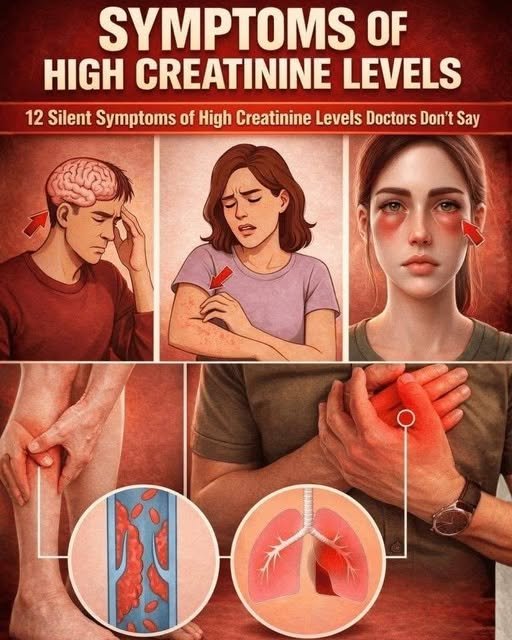
Here are 12 symptoms or changes that may occur when kidney function becomes impaired.
1. Unusual or Persistent Fatigue
Feeling unusually tired can occur with more advanced kidney disease.
Healthy kidneys contribute to normal red blood cell production, and kidney disease can contribute to anemia. Waste products and changes in body chemistry can also contribute to weakness and low energy.
However, fatigue is extremely common and can have many other causes, including poor sleep, anemia from other causes, thyroid problems, infections, stress, and nutritional deficiencies.
2. Swelling Around the Feet and Ankles
Swelling, known medically as edema, can occur when impaired kidneys have difficulty removing excess fluid and sodium.
The swelling may appear in the:
- Feet
- Ankles
- Lower legs
- Hands
- Face
Swelling is more common with advanced kidney disease or significant protein loss through the urine.
Persistent or unexplained swelling deserves medical evaluation because heart, liver, vein, and medication-related problems can also cause it.
3. Puffiness Around the Eyes
Some kidney conditions can cause noticeable puffiness around the eyes, particularly when protein is leaking into the urine.
This occurs because changes in protein levels and fluid balance can cause fluid to move into tissues.
Morning facial puffiness alone does not prove kidney disease, but persistent or unexplained swelling should not be ignored.
4. Changes in Urination
Kidney disease can sometimes be associated with changes in how frequently you urinate.
You might notice:
- Urinating more frequently
- Urinating less frequently
- Increased nighttime urination
- Changes in urine appearance
However, urinary changes have many possible causes, including urinary tract problems, prostate conditions, diabetes, medications, and fluid intake.
5. Foamy or Frothy Urine
Persistent foamy urine can sometimes indicate proteinuria, meaning excess protein is present in the urine.
Protein in the urine can occur when the kidney’s filtering structures are damaged.
Occasional bubbles are not necessarily a sign of kidney disease. But persistent or unusually frothy urine, particularly when accompanied by swelling, should be discussed with a healthcare professional.
A urine albumin-to-creatinine ratio (UACR) is one of the tests doctors use to assess kidney damage.
6. Itchy or Dry Skin
Persistent itching can occur in more advanced kidney disease.
Changes in mineral balance and the buildup of waste products can contribute to skin symptoms, although itching is also common with allergies, eczema, dry weather, medications, liver problems, and many other conditions.
Unexplained, widespread itching combined with other kidney-related symptoms deserves medical attention.
7. Muscle Cramps
Muscle cramps can occur as kidney disease becomes more advanced.
Kidneys help regulate minerals and electrolytes in the body. When kidney function is significantly impaired, these balances can become disrupted.
Nighttime leg cramps, however, are not specific to kidney disease. Dehydration, medications, muscle fatigue, circulation problems, and other conditions can also contribute.
8. Poor Appetite
A noticeable reduction in appetite can occur with advanced kidney disease.
As kidney function decreases, waste products can accumulate in the bloodstream and contribute to nausea, changes in taste, and reduced appetite.
Persistent appetite loss should always be investigated rather than automatically blamed on the kidneys.
9. Nausea or Vomiting
Nausea and vomiting can occur when kidney function becomes severely impaired and waste products accumulate.
These symptoms are more concerning when they occur alongside swelling, significant fatigue, appetite loss, changes in urination, confusion, or other signs of declining kidney function.
There are many other causes of nausea, so these symptoms alone cannot diagnose kidney disease.
10. Difficulty Concentrating
Some people with significant kidney dysfunction experience difficulty concentrating, reduced alertness, or problems with thinking.
These symptoms can occur when waste products and changes in the body’s chemistry affect the nervous system.
Sudden confusion, however, should be treated as an urgent medical symptom rather than assumed to be a kidney problem.
11. Shortness of Breath
Shortness of breath can occur in advanced kidney disease for several reasons, including fluid accumulation and anemia.
Fluid buildup may contribute to breathing difficulties, while anemia can reduce the blood’s ability to carry oxygen.
Because shortness of breath can also signal heart or lung problems, new or severe breathing difficulty requires prompt medical evaluation.
12. A Metallic Taste or Changes in Taste
Changes in taste or an unpleasant taste in the mouth can occur when kidney function becomes significantly reduced.
Some people with declining kidney function report that food tastes different or that they develop an unpleasant or metallic taste.
This is not a specific sign of high creatinine, however. Dental problems, medications, infections, reflux, and other conditions can also affect taste.
High Creatinine Does Not Always Cause Symptoms
This is one of the most important points to understand.
You can have kidney disease and feel completely normal.
Early chronic kidney disease often produces few or no noticeable symptoms. NIDDK notes that testing may be the only way to identify kidney disease in its early stages.
That’s why people at increased risk may need regular testing.
Important risk factors include:
- Diabetes
- High blood pressure
- Heart or cardiovascular disease
- Family history of kidney failure
- Older age
- Certain medical conditions or medications
What Does a High Creatinine Result Mean?
Creatinine is useful, but one number should not be interpreted in isolation.
Doctors commonly consider:
Serum Creatinine
This is the blood creatinine measurement.
eGFR
The estimated glomerular filtration rate uses creatinine and other information to estimate kidney filtration.
Urine Albumin-to-Creatinine Ratio
A UACR helps determine whether abnormal amounts of albumin are being lost through the kidneys.
Other Tests
Depending on the situation, a healthcare professional may also check:
- Blood pressure
- Blood glucose
- Electrolytes
- Blood count
- Urinalysis
- Kidney imaging
- Previous creatinine and eGFR results
Persistent abnormalities are particularly important because chronic kidney disease is generally defined by kidney damage or reduced kidney function that persists for more than three months.
Can High Creatinine Be Caused by Something Other Than Kidney Disease?
Yes.
Creatinine can be affected by factors such as muscle mass, dietary intake, and other medical conditions. This is one reason doctors don’t diagnose kidney disease based solely on a single creatinine measurement.
A sudden rise in creatinine can also occur with acute kidney injury, which is different from slowly developing chronic kidney disease.
For that reason, an unexpectedly high result should be discussed with a healthcare professional rather than treated with a homemade “kidney cleanse.”
When Should You Seek Medical Help?
Contact a healthcare professional if you have persistent:
- Swelling
- Foamy urine
- Major changes in urination
- Unexplained fatigue
- Persistent nausea
- Significant appetite loss
- Repeatedly abnormal creatinine results
Seek urgent medical attention for severe shortness of breath, chest pain, severe confusion, very little or no urine, or rapidly worsening swelling or illness. Severe kidney dysfunction can become a medical emergency.
How Can You Protect Kidney Health?
There is no single tea, juice, herb, or food that can “flush out” damaged kidneys.
Instead, kidney health is supported by managing the conditions that commonly cause kidney damage.
For many people, this includes:
- Keeping blood pressure under control
- Managing blood glucose if you have diabetes
- Avoiding unnecessary medications that can harm the kidneys
- Maintaining a healthy weight
- Staying physically active
- Following an appropriate eating pattern
- Getting recommended kidney tests when you are at increased risk
If you already have kidney disease, dietary needs can vary considerably. Sodium, protein, potassium, phosphorus, and fluid intake may need to be individualized, so avoid making major dietary changes based solely on internet advice.
Final Thoughts
High creatinine is not a symptom—it is a laboratory finding that can signal reduced kidney filtration or another change that needs interpretation.
The subtle symptoms discussed above, including fatigue, swelling, foamy urine, changes in urination, itching, cramps, appetite loss, nausea, concentration problems, and shortness of breath, can occur with kidney disease, particularly as it becomes more advanced. But none of these symptoms alone proves that creatinine is high or that the kidneys are damaged.
Because early kidney disease often causes no symptoms, blood and urine testing is much more reliable than waiting for warning signs.
If you have a high creatinine result, don’t panic—and don’t try to lower it with a “kidney detox.” Ask a healthcare professional to interpret the result alongside your eGFR, urine tests, previous results, medications, and overall health.
SEO Title
12 Subtle Signs That May Be Linked to High Creatinine and Kidney Problems
Meta Description
Learn about 12 possible signs associated with reduced kidney function, what high creatinine means, which kidney tests matter, and when medical evaluation is important.