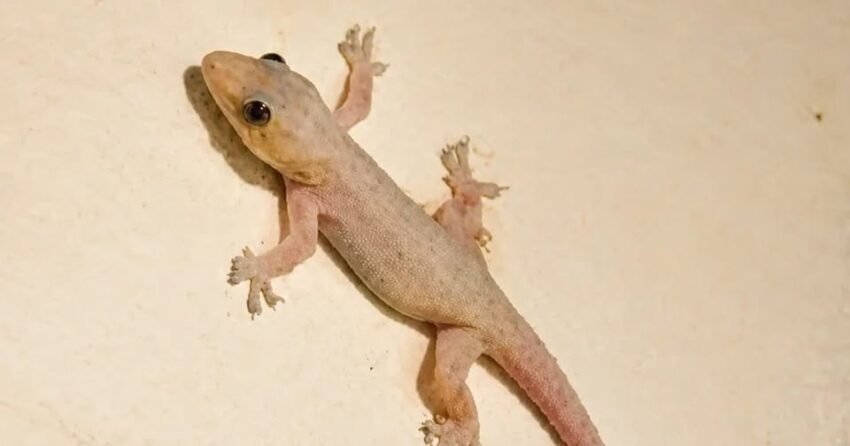
Finding a lizard suddenly crawling across your wall, hiding behind furniture, or sitting near a window can be surprising. For some people, a lizard inside the house is simply an unpleasant visitor. For others, it may raise questions about what its presence means.
Across different cultures, people have attached symbolic meanings to lizards. Some traditions consider them signs of good fortune, change, protection, or abundance, while others associate them with warnings or unwanted events.
But before giving the appearance of a lizard a deeper meaning, there is a much simpler explanation: your house may be providing exactly what the lizard needs to survive.
Let’s look at what finding a lizard in your home can actually mean, why they enter houses, what they may indicate about your surroundings, and how to encourage them to stay outside.
Why Do Lizards Come Inside the House?
Most household lizards do not enter homes because they are interested in people. They are usually searching for food, shelter, warmth, water, or a suitable place to hide.
1. There Are Insects Inside
One of the biggest reasons lizards enter houses is food.
Many common house lizards feed on insects and other small creatures. If your home has mosquitoes, flies, moths, cockroaches, ants, spiders, or other insects, it may become an attractive hunting area.
In this sense, seeing a lizard can sometimes indicate that there is an available food source nearby.
This doesn’t necessarily mean your home is dirty. Even a clean house can have insects, particularly during warm weather.
2. They Can Enter Through Small Openings
Lizards can squeeze through surprisingly small gaps.
They may enter through:
- Open windows
- Doors
- Cracks around windows
- Gaps beneath doors
- Open ventilation areas
- Spaces around pipes
- Cracks in walls
- Gaps around air-conditioning units
Once inside, they may move around looking for food or a safe hiding place.
3. Warm Weather Can Increase Activity
Lizards are cold-blooded animals, meaning their body temperature is strongly influenced by their surroundings.
During warm weather, they may become more active and move around more frequently. This can increase the chances of seeing them around houses.
They may also seek cooler, sheltered areas when outdoor conditions become uncomfortable.
4. Your House Offers Shelter
A home provides plenty of hiding places.
Lizards may hide behind:
- Cabinets
- Curtains
- Furniture
- Appliances
- Boxes
- Storage areas
- Wall decorations
- Outdoor or indoor plants
If they find a quiet place where they feel protected, they may return repeatedly.
Does Finding a Lizard Mean Your House Is Dirty?
Not necessarily.
The presence of a lizard does not automatically mean your home is unclean or unhygienic.
Lizards can enter very clean homes because they are attracted to insects, warmth, shelter, and access points.
However, if you are seeing large numbers of lizards regularly, it may be useful to investigate whether there is an underlying insect problem.
For example, frequent sightings combined with many flies, mosquitoes, moths, or cockroaches could indicate that the home is providing an abundant food supply.
What Does a Lizard in the House Symbolize?
This is where cultural beliefs become different from scientific explanations.
There is no scientific evidence that a lizard appearing in your home predicts future events, wealth, bad luck, pregnancy, death, marriage, or other specific outcomes.
Nevertheless, lizards have symbolic meanings in various cultures.
A Symbol of Adaptation
Because lizards can survive in many different environments, they are sometimes viewed symbolically as creatures representing adaptability and survival.
Seeing one may therefore be interpreted as a reminder to adapt to changing circumstances.
A Symbol of Renewal
Some lizards shed their skin as they grow. Because of this natural process, lizards can be used symbolically to represent renewal, transformation, or leaving something old behind.
A Symbol of Protection
In some traditional interpretations, reptiles are associated with protection or awareness because they are alert and responsive to their surroundings.
This is a cultural or symbolic interpretation rather than a scientifically established meaning.
A Sign of Good or Bad Luck?
You may hear people say that a lizard entering the house is either lucky or unlucky.
These beliefs vary considerably by region, family, religion, and culture. There is no scientific method for determining that a lizard’s appearance predicts good or bad fortune.
If you enjoy cultural symbolism, you can treat these interpretations as traditions or personal beliefs rather than established facts.
Is a Lizard Inside the House Dangerous?
Most small house lizards are not interested in attacking humans and will generally try to escape or hide.
However, it is still sensible to avoid handling wild reptiles unnecessarily.
Like other animals, lizards can potentially carry microorganisms on their bodies or in their droppings. Good hygiene is therefore important.
If you find lizard droppings, clean the affected area carefully and wash your hands afterward.
Keep children and pets away from unfamiliar wild reptiles, especially if you cannot identify the species.
What Does It Mean If You Keep Seeing Lizards?
Seeing one lizard occasionally is usually not a major concern.
But repeated sightings can provide a useful clue about your home’s environment.
You may want to check for:
Insects:
Look for mosquitoes, flies, moths, ants, cockroaches, or other insects.
Entry points:
Inspect windows, doors, vents, pipes, and cracks for gaps.
Outdoor lighting:
Bright lights around doors and windows can attract insects, which may indirectly attract insect-eating lizards.
Clutter:
Boxes, piles of materials, plants, and undisturbed storage areas can provide hiding places.
Moisture:
Leaks and damp areas can encourage insect activity, creating another food source for lizards.
How to Keep Lizards Outside
If you would rather not have lizards inside your home, focus on reducing the reasons they come indoors.
Seal Entry Points
Inspect the areas around doors and windows.
Use suitable screens, weather stripping, or sealants to close gaps where appropriate.
Pay particular attention to openings around pipes, cables, and ventilation systems.
Reduce Insects
Because insects are an important food source for many house lizards, reducing insect activity can make your home less attractive to them.
Keep food covered, clean crumbs promptly, empty trash regularly, and address standing water or other conditions that encourage insects.
Keep Outdoor Areas Tidy
Trim vegetation close to windows and doors when practical.
Remove unnecessary piles of leaves, boxes, wood, and other materials near the house that can provide hiding places for insects and reptiles.
Manage Outdoor Lighting
If insects gather heavily around exterior lights, consider reducing unnecessary lighting or using lighting arrangements that attract fewer insects.
Use Gentle Removal Methods
If you discover a lizard indoors, avoid hitting, poisoning, or attempting to handle it directly.
Instead, give it an opportunity to leave through an open exterior door or window when practical.
For a lizard that is trapped in a room, a container-and-cardboard method can sometimes be used to safely capture and release it outdoors, provided you can do so without touching the animal.
What If You Find a Lizard in Your Bedroom?
Finding a lizard in the bedroom can feel especially alarming, but its presence does not have a special scientific meaning.
It may simply have followed insects into the room or entered through a window or other opening.
Check around:
- Windows
- Curtains
- Under furniture
- Behind cupboards
- Air-conditioning openings
- Door gaps
If you repeatedly see lizards in the bedroom, focus on identifying how they are getting inside and whether insects are attracting them.
What If You Find a Lizard in the Kitchen?
The kitchen can be attractive to insects because of food, moisture, warmth, and waste.
A lizard in the kitchen may therefore be following its food source.
Clean food spills, store ingredients properly, keep trash covered, and inspect areas beneath appliances and cabinets for insect activity.
Should You Kill a Lizard?
There is generally no need to kill a lizard simply because it entered your home.
Many common house lizards eat insects and may naturally reduce the number of insects around a property.
If you don’t want one indoors, the better approach is usually to remove it safely and prevent future entry.
However, species vary by region. If you encounter a large, unfamiliar, or potentially dangerous reptile, avoid approaching it and contact an appropriate local wildlife or pest-control service.
When a Lizard Could Be a Sign to Investigate Your Home
The lizard itself may not be the problem. What matters is why it is finding your house attractive.
Consider investigating further if you notice:
- Lizards appearing almost every day
- Increasing numbers of insects
- Cockroaches or other pests
- Damp or leaking areas
- Numerous gaps around windows and doors
- Droppings accumulating indoors
- Lizards appearing in multiple rooms
In these situations, addressing the underlying insect or access problem may reduce future sightings.
The Bottom Line
Finding a lizard inside your house can certainly be surprising, but it usually has a straightforward environmental explanation.
The lizard may have entered because your home offers food, shelter, warmth, moisture, or an easy entry point.
Cultural traditions may give a lizard symbolic meanings such as change, renewal, protection, good fortune, or bad luck. Those interpretations can be interesting, but they should not be confused with scientific evidence.
If you frequently find lizards indoors, look for the practical causes first: reduce insects, seal gaps, improve screens, manage outdoor lighting, and keep potential hiding places around the home under control.
A single lizard doesn’t necessarily mean anything is wrong with your house. Sometimes, it simply means a small wild animal found an easy way inside.
Frequently Asked Questions
Is seeing a lizard in the house good luck?
Different cultures have different beliefs about this. Some consider lizards positive symbols, while others associate them with warnings. There is no scientific evidence that a lizard predicts good or bad luck.
Why do lizards suddenly appear in houses?
They commonly enter in search of insects, shelter, warmth, water, or a safe hiding place. Open windows, doors, cracks, and other small gaps can provide access.
Does a lizard mean my house is dirty?
No. A lizard can enter a clean home. However, frequent lizard sightings may indicate that insects are readily available inside or around the property.
Do house lizards eat mosquitoes?
Many small insect-eating lizards can consume mosquitoes and other insects when they encounter them. Their diet depends on the species and the insects available.
How can I stop lizards from entering my home?
Reduce insects, repair window screens, seal gaps around doors and windows, keep outdoor areas tidy, and address moisture or pest problems that may attract insects.
Should I be worried if I see one lizard?
An occasional small house lizard is generally not a reason for alarm. Avoid unnecessary contact, keep children and pets away from unfamiliar reptiles, and clean any droppings using good hygiene practices.