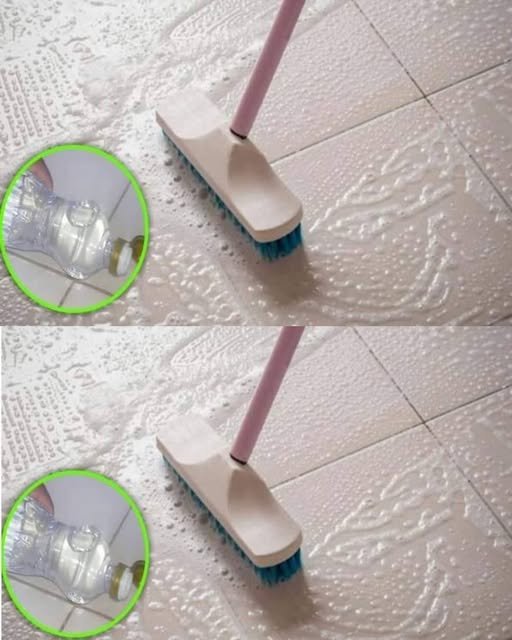
Have you ever cleaned your floors only to notice streaks, cloudy patches, sticky spots, or footprints once everything dries?
You’re not alone.
A floor can be perfectly clean and still look dirty if the cleaning solution leaves behind too much soap, oil, or product residue. The secret to a beautiful, streak-free floor isn’t necessarily using more cleaner. In many cases, it’s using less product, the right amount of water, and a clean microfiber mop.
This simple homemade floor cleaner is inexpensive, easy to prepare, and works well for many sealed hard-floor surfaces. The formula is especially useful for everyday dirt, light grease, and footprints.
The most important thing, however, is to check your flooring manufacturer’s care instructions first, because natural stone, unsealed wood, laminate, and specialty finishes can require completely different cleaning methods.
Simple Homemade Floor Cleaner
Ingredients
- 4 liters warm water
- 1 teaspoon mild dishwashing liquid
- ½ cup white vinegar, optional
- 5–10 drops essential oil, optional
- Clean microfiber mop
The vinegar is optional and should only be used on flooring that the manufacturer says can tolerate it.
For floors such as natural stone, avoid vinegar because acidic cleaners can damage or dull certain stone surfaces.
How to Make It
- Fill a clean bucket with about 4 liters of warm water.
- Add just 1 teaspoon of mild dishwashing liquid.
- If your flooring is vinegar-safe, add ½ cup white vinegar.
- Add a few drops of essential oil if you want fragrance.
- Stir gently rather than creating a bucket full of foam.
- Dip a clean microfiber mop into the solution.
- Wring the mop thoroughly before cleaning.
That’s it.
The solution doesn’t need to be extremely soapy to clean effectively.
Why Less Cleaner Can Mean Cleaner Floors
One of the biggest mistakes people make is assuming that more cleaning product means a cleaner floor.
Unfortunately, excessive detergent can leave a thin layer of residue behind.
That residue can:
- Make the floor look cloudy
- Feel sticky underfoot
- Attract dirt
- Leave mop marks
- Create streaks
- Make footprints more noticeable
A small amount of mild detergent is often enough for routine cleaning.
If your floor repeatedly looks worse after mopping, the problem may be too much cleaner rather than too little.
Step-by-Step Method for a Streak-Free Floor
1. Sweep or Vacuum First
Don’t start by mopping a floor covered with loose dirt.
Sweep or vacuum first to remove:
- Dust
- Hair
- Crumbs
- Sand
- Loose soil
This prevents gritty particles from being pushed around by the mop.
2. Use Warm, Not Extremely Hot, Water
Warm water can help loosen everyday grime.
There is generally no need to use boiling or extremely hot water.
Very hot water can also be unsuitable for certain flooring materials or finishes.
3. Use a Small Amount of Cleaner
Measure the detergent rather than pouring it directly into the bucket.
A small amount is usually enough for everyday cleaning.
If you see lots of bubbles, you’ve probably added more product than necessary.
4. Wring Out the Mop
This step is particularly important.
Your mop should be damp rather than soaking wet.
Excess water can leave streaks and may damage certain flooring materials, particularly wood-based floors.
5. Mop in Sections
Work across the floor in manageable sections.
Rinse and wring the mop regularly, especially when cleaning high-traffic areas.
Don’t simply push the same dirty water across the entire room.
6. Allow the Floor to Dry
Good ventilation can help the floor dry quickly.
Open a window or turn on appropriate ventilation if possible.
Avoid walking heavily across the floor while it is still wet.
The Secret Weapon: A Clean Microfiber Mop
The cleaning solution matters, but your mop matters too.
Microfiber can pick up fine dust and grime effectively while using relatively little water.
A dirty mop, however, can simply redistribute dirt.
For the best results:
- Wash mop heads regularly
- Don’t use fabric softener if the manufacturer says it can reduce microfiber performance
- Replace worn-out mop heads
- Keep separate mop heads for particularly dirty areas
If the mop water becomes visibly dirty, replace it.
Should You Use Vinegar?
Vinegar is one of the most popular ingredients in homemade cleaning recipes, but it isn’t appropriate for every floor.
Vinegar is acidic and can damage or dull certain surfaces.
Avoid vinegar on surfaces such as:
- Marble
- Limestone
- Travertine
- Other acid-sensitive natural stone
For these floors, follow the manufacturer’s cleaning recommendations and use a suitable pH-neutral cleaner.
For vinegar-compatible sealed floors, diluted vinegar may be acceptable, but always test an inconspicuous area first.
What About Essential Oils?
Essential oils can make a cleaning mixture smell pleasant, but they aren’t necessary for cleaning.
If you choose to use one, only add a small amount.
Remember that fragrance doesn’t equal cleaning power.
Some essential oils may also be irritating to people or pets, and concentrated oils should not be allowed to remain on surfaces where children or animals could come into direct contact with them.
Floor-Specific Cleaning Tips
Ceramic and Porcelain Tile
These surfaces are generally easier to clean than many other flooring types.
Sweep or vacuum first, then mop with a mild cleaning solution.
Pay special attention to grout lines, where dirt can accumulate.
Vinyl Flooring
Use a mild cleaner and avoid excessive water.
Don’t use harsh abrasive products that can damage the finish.
Laminate Flooring
Use very little water.
A well-wrung microfiber mop is preferable to a soaking-wet mop.
Standing water can seep into seams and damage some laminate floors.
Sealed Hardwood
Follow the flooring manufacturer’s instructions carefully.
Avoid flooding the floor with water.
A lightly damp microfiber mop is generally more appropriate than a wet mop, but the correct cleaning product depends on the finish.
Natural Stone
Avoid homemade acidic cleaners such as vinegar unless the stone manufacturer specifically approves them.
A pH-neutral stone cleaner is generally the safer choice.
How to Remove Sticky Spots
Sometimes ordinary mopping doesn’t remove a sticky patch.
Don’t simply add more detergent.
Instead:
- Identify the source of the residue.
- Use a small amount of appropriate cleaner.
- Allow it to sit briefly if the product instructions permit.
- Gently wipe the area.
- Rinse with a clean damp microfiber cloth if appropriate.
- Dry the area.
For stubborn residue, use a cleaning product specifically recommended for your flooring.
How to Get Rid of Mop Streaks
If your floor looks streaky after cleaning, check these common causes.
Too Much Cleaner
Reduce the amount of detergent.
Dirty Mop
Wash or replace the mop head.
Dirty Water
Change the bucket water when it becomes dirty.
Too Much Water
Wring the mop more thoroughly.
Floor Wasn’t Swept
Loose dirt can create streaks when mixed with cleaning solution.
Uneven Drying
Excess water can leave visible marks as it evaporates.
A Simple Two-Bucket Method
For particularly dirty floors, try using two buckets.
Bucket 1: Cleaning solution.
Bucket 2: Plain water for rinsing the mop.
Dip the mop into the cleaning bucket, clean a section, then rinse the mop in the second bucket before returning it to the cleaning solution.
This helps keep the cleaning solution cleaner for longer.
Don’t Mix Household Cleaners
This is extremely important.
Never experiment by mixing multiple cleaning chemicals together.
In particular, never mix bleach with vinegar, ammonia, or other incompatible cleaners, because dangerous gases or chemical reactions can occur.
A homemade cleaner should be simple rather than a combination of several powerful chemicals.
How Often Should You Mop?
There’s no universal schedule.
High-traffic areas may need cleaning more frequently than bedrooms or rooms that aren’t used often.
A practical routine might be:
Daily: Sweep or vacuum high-traffic areas as needed.
A few times per week: Spot-clean spills and footprints.
Weekly: Mop regularly used floors.
As needed: Deep-clean areas exposed to heavy dirt, grease, or spills.
The right schedule depends on your household, pets, children, flooring type, and how much traffic each room receives.
How to Make Your Floors Stay Cleaner Longer
Cleaning isn’t the only way to reduce floor dirt.
Try these simple habits:
Use Doormats
Place mats at entrances to catch dirt before it reaches your floors.
Remove Shoes
A no-shoes household can significantly reduce the amount of outdoor dirt brought inside.
Clean Spills Quickly
Fresh spills are much easier to remove than dried residue.
Keep Pets’ Paws Clean
If you have pets, wiping muddy paws before they enter the house can reduce cleaning time.
Don’t Overuse Floor Products
More product can mean more residue rather than better cleaning.
Frequently Asked Questions
Can I use this cleaner every day?
You don’t necessarily need to mop every day. For regular cleaning, use the mildest method appropriate for your flooring and follow the manufacturer’s instructions.
Will vinegar make my floor shine?
Vinegar doesn’t create a special protective shine. It may help remove certain residues on compatible surfaces, but using it on acid-sensitive flooring can cause damage.
Why does my floor feel sticky after mopping?
Excess cleaning product is one common reason. Dirty mop water or an unsuitable cleaner can also leave residue.
Can I use hot water?
Warm water is generally sufficient. Avoid extremely hot water unless your flooring manufacturer specifically recommends it.
Can I add more dish soap for greasy floors?
It’s better not to simply keep increasing the amount of dish soap. Too much detergent can leave residue. For heavy grease, use a cleaner appropriate for the specific flooring material.
Can I use this on marble?
No. Don’t use the vinegar version on marble or other acid-sensitive natural stone. Use a suitable stone-safe, pH-neutral cleaner instead.
Why does my floor look dull after cleaning?
A buildup of detergent, unsuitable cleaning products, mineral deposits, or damage to the flooring finish can all contribute to dullness. If regular cleaning doesn’t solve the problem, identify the flooring material and use its recommended care method.
Final Thoughts
The secret to a floor that looks clean without streaks isn’t a complicated miracle formula.
It’s the right cleaner, the right amount, the right mop, and the right technique.
Start by removing loose dirt, use a small amount of mild cleaning solution, keep your mop damp rather than soaking wet, change dirty water regularly, and finish by allowing the floor to dry properly.
Most importantly, remember that not every floor should be cleaned the same way. Vinegar may be acceptable for some sealed surfaces but can damage natural stone, while wood and laminate generally require much less water.
When in doubt, your flooring manufacturer’s care instructions should always take priority over a homemade cleaning recipe.
With a little less product and a little more technique, you can get beautifully clean floors without leaving behind the sticky or cloudy residue that makes you want to mop all over again.
SEO Details
SEO Title: The Right Homemade Floor Cleaner That Leaves No Trace or Streaks
Meta Description: Learn how to make a simple homemade floor cleaner that removes everyday dirt while reducing streaks and residue. Includes tips for tile, vinyl, laminate, wood, and stone floors.
Focus Keyphrase: homemade floor cleaner
Suggested URL Slug: homemade-floor-cleaner-no-residue