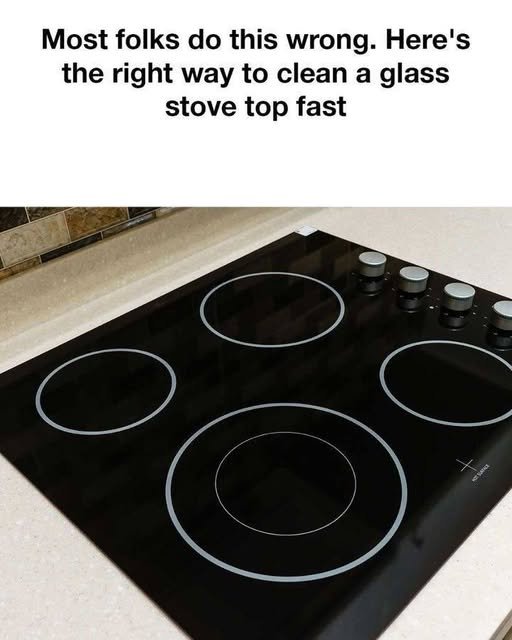
A glass stovetop can make a kitchen look modern and spotless—until cooked-on food, grease, cloudy marks, and burnt spills start building up.
Many people make the mistake of scrubbing a glass cooktop aggressively or reaching for whatever abrasive cleaner happens to be nearby. Unfortunately, that can leave behind scratches, dull spots, or permanent-looking marks.
The good news is that you usually don’t need harsh scrubbing to get a glass stovetop clean.
With the right combination of heat, soaking, a suitable cooktop cleaner, and gentle scraping when necessary, you can remove everyday grease and stubborn residue much more efficiently.
The key is knowing what to loosen first and what not to use on the glass surface.
What You’ll Need
For routine cleaning:
- Soft microfiber cloth
- Warm water
- Dishwashing liquid
- Non-abrasive sponge or soft cleaning pad
- Glass-cooktop cleaner
- Cooktop-safe scraper or razor scraper designed specifically for glass cooktops
- Clean, dry microfiber towel
Optional:
- Baking soda
- White vinegar
For stubborn burnt-on residue, a manufacturer-approved cooktop scraper and cleaner are generally more useful than aggressive household scrubbing.
The Right Way to Clean a Glass Stovetop
Step 1: Make Sure the Cooktop Is Off
Before cleaning, turn off all burners and allow the stovetop to cool.
Never begin cleaning a hot glass cooktop with cold water or a wet cloth unless the appliance manufacturer’s instructions specifically allow it.
Sudden temperature changes can damage glass surfaces, and hot surfaces can cause serious burns.
Step 2: Remove Loose Crumbs and Debris
Once the surface is cool, use a dry microfiber cloth to gently remove loose crumbs and food particles.
This small step matters because rubbing gritty debris across the surface can potentially cause scratches.
Don’t immediately start scrubbing a completely dry surface covered with stuck-on food.
First, loosen what you can.
Step 3: Make a Simple Soapy Solution
Add a small amount of dishwashing liquid to warm water.
Dip a soft microfiber cloth or non-abrasive sponge into the solution and wring it out.
Wipe the entire stovetop to remove grease and fresh food residue.
For ordinary daily messes, this may be all you need.
Step 4: Let Stubborn Spots Soften
For dried or stuck-on food, place a warm, damp cloth over the affected area for several minutes.
The moisture and warmth help soften the residue, making it easier to remove without aggressive scrubbing.
This is one of the biggest differences between cleaning effectively and simply working harder.
Don’t attack hardened food immediately with force. Give it time to loosen.
Step 5: Use a Cooktop-Safe Scraper for Burnt-On Food
If food remains firmly attached, use a scraper specifically designed or approved for glass cooktops.
Hold the scraper at the angle recommended by the manufacturer and gently work underneath the residue.
Don’t jab downward into the glass.
Don’t use excessive pressure.
The goal is to lift the hardened material—not grind it into the surface.
A proper cooktop scraper can be particularly useful for dried sugar, sauces, starches, and other cooked-on spills.
Step 6: Apply Cooktop Cleaner
Once the heavy residue has been removed, apply a small amount of cleaner specifically labeled for glass or ceramic cooktops.
Follow the product’s directions.
Spread the cleaner over the surface using a soft cloth or approved non-abrasive pad.
This helps remove remaining grease, cloudy residue, and cooking marks while leaving the surface looking cleaner and more polished.
Step 7: Wipe Away the Cleaner
Use a clean damp microfiber cloth to remove the cleaning product.
Continue wiping until no visible residue remains.
Leaving cleaner behind can create streaks or a hazy appearance.
Step 8: Dry and Buff
Finally, use a clean, dry microfiber towel to gently buff the surface.
Work in broad circular or overlapping motions until the cooktop is dry.
You’ll often notice that a clean, dry final wipe makes a bigger difference to the appearance than additional scrubbing.
What About Baking Soda?
Baking soda is commonly recommended online for cleaning glass stovetops.
Although it can be useful for some household cleaning tasks, don’t assume that more scrubbing with a powder is better for a glass cooktop.
If your cooktop manufacturer permits baking soda, use it gently and avoid aggressive rubbing. A manufacturer-approved cooktop cleaner is the safer default when you’re unsure.
The important principle is simple:
Avoid treating the glass like a rough countertop.
A Gentle Baking Soda Method
If your appliance instructions allow it:
- Sprinkle a small amount of baking soda over a stubborn area.
- Dampen a soft cloth with warm water.
- Place the damp cloth over the area for several minutes.
- Gently wipe the softened residue.
- Remove all baking soda with a clean damp cloth.
- Dry the surface thoroughly.
Don’t use baking soda as an abrasive scrubbing powder.
Can You Use Vinegar?
Vinegar can help cut certain types of residue, but it shouldn’t automatically be treated as the best cleaner for every cooktop.
If your manufacturer permits it, a small amount of diluted white vinegar can be useful for removing certain streaks or mineral residue.
Never mix vinegar with bleach or other incompatible cleaning chemicals.
For routine glass-cooktop cleaning, a cleaner specifically designed for the appliance is often the simplest choice.
What You Should NOT Use on a Glass Stovetop
This is where many cleaning mistakes happen.
Avoid abrasive materials and harsh methods unless the appliance manufacturer specifically says they are safe.
Avoid Steel Wool
Steel wool can scratch the glass surface.
Avoid Abrasive Scouring Pads
Heavy-duty scouring pads can leave scratches or dull the finish.
Avoid Knife Blades
A kitchen knife is not a substitute for a cooktop scraper.
It can slip, scratch the glass, or cause injury.
Avoid Scrubbing With Excessive Force
More pressure doesn’t necessarily mean better cleaning.
It can turn a removable stain into a scratched surface.
Don’t Pour Cold Water Onto a Hot Cooktop
Rapid temperature changes can damage glass.
Don’t Use Oven Cleaner Unless Approved
Oven cleaners are designed for different surfaces and formulations. Don’t assume that a product safe for an oven is automatically suitable for a glass cooktop.
Don’t Mix Cleaning Chemicals
Combining household cleaners can create dangerous chemical reactions.
Use one appropriate cleaning product at a time and follow its label.
How to Remove Burnt Sugar From a Glass Stovetop
Burnt sugar deserves special attention because it can become extremely hard and sticky.
First, make sure the cooktop is turned off.
Follow the appliance manufacturer’s instructions for dealing with sugary spills. On some glass cooktops, sugar-containing spills should be removed carefully while the surface is still warm because they can damage the glass if allowed to cool and harden.
If the surface has already cooled, use the manufacturer-approved procedure and a cooktop-safe scraper rather than trying to chip the material away with a kitchen knife.
Never put your fingers directly onto a hot cooking surface.
How to Remove Grease
Fresh grease is usually much easier to remove than baked-on grease.
For everyday grease:
- Allow the cooktop to cool.
- Wipe away loose residue.
- Apply warm water with a small amount of dish soap.
- Wipe with a soft cloth.
- Follow with an appropriate cooktop cleaner if needed.
- Dry with microfiber.
If grease has been repeatedly heated and hardened, use a cooktop-safe scraper and cleaner rather than aggressive scrubbing.
How to Remove White or Cloudy Marks
Cloudy marks can sometimes come from mineral deposits, cleaner residue, or food residue.
Start with a soft damp microfiber cloth.
If that doesn’t work, use a cleaner specifically formulated for glass or ceramic cooktops.
For mineral-type residue, a manufacturer-approved vinegar method may help.
Avoid repeatedly rubbing the surface with abrasive powders.
How Often Should You Clean a Glass Stovetop?
A simple routine can make deep cleaning much easier.
After Cooking
Once the surface is safely cool, wipe up fresh spills.
Daily
Give the cooktop a quick wipe if you’ve used it heavily.
Weekly
Perform a more thorough cleaning with an appropriate cooktop cleaner.
Immediately
Deal with sugary or heavily burned spills according to the manufacturer’s instructions.
The less time residue spends being repeatedly heated, the easier it generally is to remove.
The 5-Minute Everyday Routine
If you don’t have time for a deep clean, try this quick routine:
1. Cool: Make sure the cooking surface is safe to touch.
2. Wipe: Remove loose crumbs and food.
3. Clean: Use warm soapy water and a soft cloth.
4. Treat: Apply cooktop cleaner to stubborn marks.
5. Buff: Finish with a dry microfiber cloth.
Doing a quick wipe regularly can prevent layers of grease and residue from building up.
How to Keep Your Glass Stovetop Cleaner for Longer
Cleaning is easier when you prevent major messes in the first place.
Use Correct-Sized Cookware
Pans that are too large or too small can create unnecessary spills and uneven cooking.
Don’t Overfill Pots
Boiling liquids can quickly run onto the cooktop.
Clean Spills Promptly
The sooner a spill is removed, the less likely it is to become baked onto the surface.
Keep the Bottom of Pans Clean
Dirty or rough pan bottoms can transfer residue to the cooktop.
Don’t Drag Cookware
Lift pots and pans instead of sliding them across the glass whenever practical.
Use the Right Cleaning Products
Check the manufacturer’s care instructions before trying homemade cleaning methods.
Why Your Glass Stovetop Still Looks Streaky
If your cooktop looks clean but has streaks, you may simply be leaving behind cleaner residue.
Try using less product and wiping the surface thoroughly with a clean damp microfiber cloth.
Then dry and buff with a fresh microfiber towel.
Another common problem is using a cloth that already contains grease or cleaning-product residue.
A clean finishing cloth can make a surprisingly noticeable difference.
Frequently Asked Questions
Can I use dish soap on a glass stovetop?
Yes, mild dish soap and warm water are commonly useful for removing everyday grease and food residue. Follow your appliance manufacturer’s instructions.
Can I use a razor blade?
Only use a scraper specifically designed or approved for your particular glass cooktop, and follow the manufacturer’s instructions. Don’t improvise with a kitchen knife or other sharp object.
Can I use baking soda?
It may be acceptable on some cooktops when used gently, but check the manufacturer’s instructions first. Avoid aggressive abrasive scrubbing.
Can I use vinegar and baking soda together?
There’s little reason to combine them for this job. They react with each other, reducing the useful properties of both. For a glass cooktop, a purpose-made cleaner and proper scraper are often more practical.
How do I remove burnt food?
Soften the residue first, then use a cooktop-safe scraper and appropriate cleaner according to the manufacturer’s instructions.
Why shouldn’t I use steel wool?
Steel wool and other abrasive materials can scratch the glass surface.
Can I clean the stovetop while it’s warm?
Follow your appliance’s instructions carefully. Some spills, particularly sugary spills, may need special treatment while the surface is warm. Never risk burns or pour cold water onto a very hot cooktop.
Final Thoughts
A glass stovetop doesn’t need aggressive scrubbing to look clean.
The better approach is to loosen residue, use the right cleaner, scrape stubborn buildup carefully with an approved tool, and finish with a clean microfiber cloth.
The most important lesson is that glass cooktops should be treated gently. Avoid steel wool, harsh abrasive pads, kitchen knives, excessive pressure, and cleaning products that aren’t approved for the surface.
With a few minutes of regular care, you can prevent everyday grease and food spills from turning into stubborn baked-on messes—and keep your glass stovetop looking clean and polished without unnecessary effort.
SEO Details
SEO Title: The Right Way to Clean a Glass Stovetop Fast – Easy Cleaning Method
Meta Description: Learn the right way to clean a glass stovetop fast. Remove grease, burnt food, and cloudy marks with gentle methods that help protect your cooktop from scratches.
Focus Keyphrase: how to clean a glass stovetop fast
Suggested URL Slug: right-way-to-clean-glass-stovetop