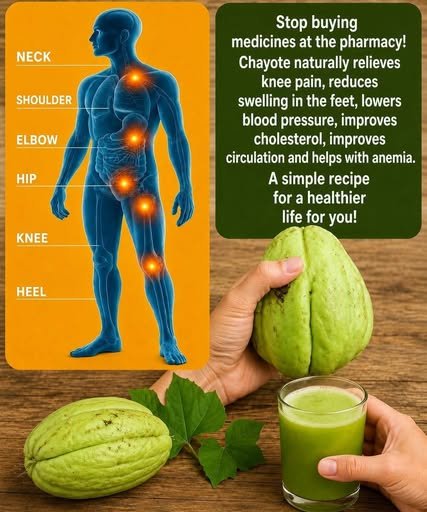
Chayote and guava may seem like an unusual combination, but both are nutrient-rich foods that can fit into a healthy eating pattern. Chayote is a light, water-rich vegetable, while guava provides fiber, vitamin C, potassium, and a variety of plant compounds.
You may see claims online that combining chayote with guava can eliminate knee pain, swollen feet, high blood pressure, high cholesterol, poor circulation, and anemia. Those claims go much further than the available evidence.
There is no single fruit or vegetable that can safely replace prescribed treatment for these conditions. However, adding nutrient-dense foods such as chayote and guava to an overall balanced diet can support general nutrition and cardiovascular health.
Why Combine Chayote and Guava?
The two foods provide different nutritional qualities.
Chayote is naturally low in calories and provides water, fiber, potassium, vitamin C, and other plant nutrients.
Guava is particularly rich in vitamin C and also provides dietary fiber, potassium, folate, and antioxidant plant compounds. Research on guava has explored possible effects on blood pressure and blood lipids, although more human research is needed before treating guava as a medical therapy.
Together, they can make a refreshing fruit-and-vegetable drink or smoothie.
Simple Chayote and Guava Drink
Ingredients
- ½ medium chayote
- 1 ripe guava
- 1 cup water
- ½ teaspoon fresh lemon juice, optional
- A small piece of fresh ginger, optional
- Ice, optional
Directions
Wash the chayote and guava thoroughly.
Peel the chayote if desired and remove the tough central seed. Cut it into small pieces.
Wash the guava and cut it into chunks. You can leave the edible skin on.
Add the chayote, guava, and water to a blender.
Blend until smooth.
Add a little lemon juice or fresh ginger if desired.
Serve immediately.
For a more fiber-rich option, drink the blended mixture rather than straining it into juice.
What Can Guava Contribute?
Guava is one of the more vitamin-C-rich fruits and also supplies fiber and several antioxidant compounds.
Some human research has investigated guava consumption and cardiovascular markers. For example, one small randomized study found changes in blood pressure and some lipid measurements after six weeks of guava supplementation, but the study was limited in size and does not prove that guava treats hypertension or high cholesterol.
This is an important distinction: a nutritious food may contribute to a healthy diet without functioning like a medication.
What Can Chayote Contribute?
Chayote is a low-calorie vegetable that can add water, fiber, and micronutrients to meals.
A recent review of chayote research describes potentially beneficial antioxidant, anti-inflammatory, and cardiometabolic properties, but also emphasizes the need for more standardized clinical trials and better evidence in humans.
That makes chayote a useful food to include in a varied diet, but not a replacement for medical treatment.
Can It Lower High Blood Pressure?
A diet rich in fruits and vegetables can support cardiovascular health. The well-studied DASH dietary pattern, for example, emphasizes fruits, vegetables, whole grains, nuts, fish, and other nutrient-rich foods and has been shown to lower blood pressure.
Guava may contribute useful nutrients to such a dietary pattern, but drinking chayote and guava does not guarantee that blood pressure will fall.
If you have diagnosed hypertension, continue monitoring your blood pressure and follow the treatment plan provided by your healthcare professional. High blood pressure can damage the heart and blood vessels when it remains uncontrolled.
What About Cholesterol?
Guava contains fiber and plant compounds that have attracted research interest regarding blood lipids. Some clinical research has reported favorable changes in cholesterol and triglycerides after regular guava consumption.
But one drink isn’t a cholesterol treatment.
A broader dietary pattern matters much more. Replacing foods high in saturated fat with vegetables, fruits, whole grains, legumes, nuts, seeds, fish, and unsaturated fats is a more evidence-based approach to cardiovascular health.
Can It Cure Anemia?
This is another claim that needs clarification.
Guava contains vitamin C, and vitamin C can help the body absorb non-heme iron from plant foods. Guava itself, however, should not be considered a treatment for anemia.
Anemia can result from iron deficiency, vitamin B12 deficiency, folate deficiency, blood loss, chronic disease, kidney problems, and other causes.
If blood tests show iron-deficiency anemia, the underlying cause needs to be identified and appropriate treatment provided.
A guava-containing diet may complement an iron-rich meal, but it shouldn’t replace medically recommended iron treatment when it is needed.
Can It Eliminate Knee Pain?
There is no good evidence that a chayote-and-guava drink can eliminate knee pain.
Knee pain can have many causes, including osteoarthritis, injury, gout, inflammation, tendon problems, and other conditions.
Eating more fruits and vegetables can be part of an overall healthy lifestyle, but persistent or severe knee pain deserves an appropriate diagnosis rather than relying on a homemade drink.
What About Swollen Feet and Poor Circulation?
Swollen feet should not automatically be blamed on poor circulation.
Swelling can have many possible causes, including prolonged standing, certain medications, vein problems, heart or kidney conditions, injury, infection, and blood clots.
Sudden swelling—especially swelling in one leg accompanied by pain, warmth, redness, or shortness of breath—requires prompt medical attention.
A nutritious drink cannot determine or treat the underlying cause.
A Better Way to Use Chayote and Guava
Instead of treating this combination as a cure, use it as one part of a nutritious eating pattern.
You can:
- Add cooked chayote to soups and vegetable dishes.
- Eat fresh guava as a snack.
- Combine guava with plain yogurt.
- Add chopped chayote to salads or stir-fries.
- Pair guava with iron-containing foods such as beans and lentils.
- Include a variety of colorful fruits and vegetables throughout the week.
- Choose water rather than sugary drinks most of the time.
Important Safety Reminder
If you take medication for blood pressure, cholesterol, anemia, heart disease, or another chronic condition, don’t stop your medication because you begin eating chayote or guava.
Food can complement medical treatment, but it should not be presented as a replacement for prescribed therapy.
Also, if you have persistent swelling, unexplained fatigue, severe joint pain, chest pain, shortness of breath, sudden weakness, or other concerning symptoms, seek medical evaluation rather than relying on a home remedy.
Final Thoughts
Chayote and guava are both nutritious foods that can contribute to a healthy diet. Guava provides particularly high amounts of vitamin C along with fiber and beneficial plant compounds, while chayote adds a low-calorie vegetable source of water, fiber, and micronutrients.
The combination may be a refreshing addition to your routine, but it does not eliminate knee pain, cure anemia, remove swollen feet, or replace medication for high blood pressure or cholesterol.
The most meaningful health benefits come from the overall pattern: nutritious foods, appropriate physical activity, adequate sleep, healthy weight management, regular medical checks, and proper treatment when a medical condition is present.
SEO Details
SEO Title: Chayote and Guava Benefits: What This Nutritious Drink Can Really Do
Meta Description: Discover the nutritional benefits of chayote and guava and what this refreshing combination may contribute to blood pressure, cholesterol, circulation, joint health, and overall wellness.