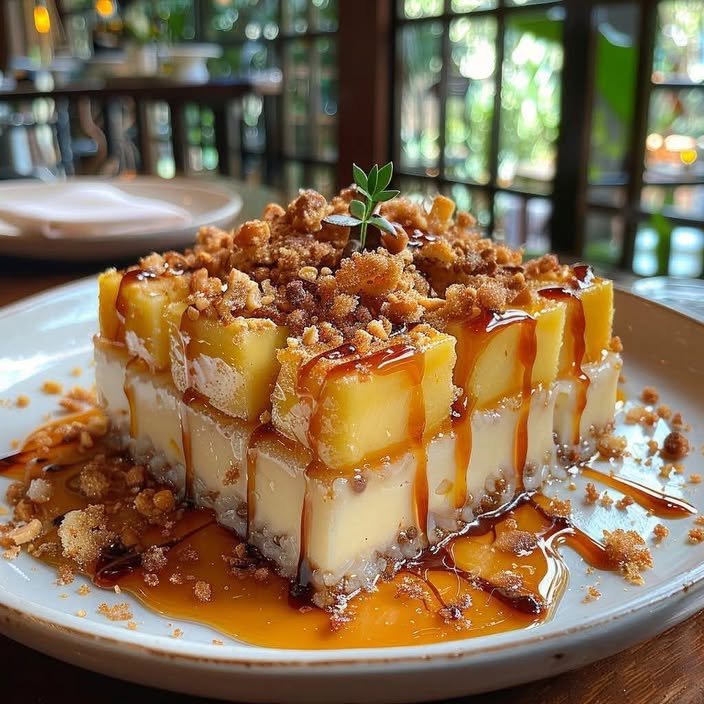
Sweet Sticky Rice and Mango is one of those desserts that proves you don’t need complicated ingredients to make something truly special. Creamy coconut milk, tender sticky rice, and juicy ripe mango come together to create a dessert that is sweet, fragrant, comforting, and incredibly satisfying.
This popular Thai-inspired dessert is especially delicious when served slightly warm or at room temperature, with the creamy coconut sauce soaking into the sticky rice and the fresh mango providing a bright, juicy contrast.
The best part is that you can make it at home with just a handful of ingredients.
Ingredients
For the Sticky Rice
- 1 cup Thai glutinous rice or sticky rice
- 1 1/4 cups water, for steaming or cooking
- 1/2 cup coconut milk
- 1/3 cup granulated sugar
- 1/4 teaspoon salt
- 1 teaspoon vanilla extract, optional
For the Mango
- 2–3 ripe mangoes
- Slice or dice the mangoes just before serving
For the Coconut Sauce
- 1/2 cup coconut milk
- 2 tablespoons granulated sugar
- 1/4 teaspoon salt
- 1 teaspoon cornstarch
- 1 tablespoon water
Optional Garnishes
- Toasted sesame seeds
- Toasted mung beans
- Shredded coconut
- A few thin slices of fresh mango
How to Make Sweet Sticky Rice and Mango
1. Soak the Sticky Rice
Place the sticky rice in a bowl and rinse it several times under cold water until the water becomes relatively clear.
Cover the rice generously with water and let it soak for at least 4 hours, preferably overnight.
Soaking is important because glutinous rice needs to absorb enough moisture to become soft and pleasantly chewy.
After soaking, drain the rice thoroughly.
2. Steam the Rice
Place the soaked rice in a steamer lined with cheesecloth or a clean thin kitchen towel.
Steam over simmering water for approximately 20–30 minutes, turning or gently fluffing the rice once during cooking if necessary.
The finished rice should be tender, sticky, and chewy without becoming watery or mushy.
3. Prepare the Coconut Mixture
While the rice is steaming, combine 1/2 cup coconut milk, sugar, and salt in a small saucepan.
Heat over low to medium heat, stirring until the sugar dissolves.
Do not bring the coconut milk to a vigorous boil. You simply want it warm and well combined.
Remove from the heat and stir in vanilla extract if using.
4. Combine the Rice and Coconut Milk
Transfer the freshly steamed sticky rice to a large bowl.
Slowly pour most of the warm coconut mixture over the rice while gently stirring.
Cover the bowl and let the rice rest for approximately 20–30 minutes.
During this time, the rice absorbs the sweet coconut milk and develops its characteristic creamy texture.
Reserve a little coconut mixture for serving.
5. Make the Coconut Topping
Pour 1/2 cup coconut milk into a small saucepan.
Add sugar and salt.
In a separate small bowl, mix the cornstarch with 1 tablespoon of water until smooth.
Add the cornstarch mixture to the coconut milk and cook over low heat, stirring constantly.
Continue cooking until the sauce becomes slightly thick and creamy.
Do not overcook it. The topping should remain pourable rather than becoming as thick as pudding.
6. Prepare the Mangoes
Peel the ripe mangoes and cut the flesh into thin slices or bite-sized pieces.
For the best flavor, choose mangoes that are fully ripe, fragrant, and naturally sweet.
7. Assemble the Dessert
Spoon a portion of the coconut-infused sticky rice onto each serving plate.
Arrange fresh mango slices alongside the rice.
Drizzle the warm coconut sauce over the sticky rice.
Finish with toasted sesame seeds, toasted mung beans, or shredded coconut if desired.
Serve immediately or at room temperature.
Tips for the Best Sticky Rice and Mango
Choose the Right Rice
Regular long-grain rice will not produce the same texture. Look specifically for glutinous rice, also called sticky rice or sweet rice.
Despite its name, glutinous rice does not contain gluten. The word refers to its naturally sticky texture when cooked.
Use Ripe Mangoes
Mango is one of the main flavors in this dessert, so the quality of the fruit makes a big difference.
A ripe mango should have a pleasant aroma and yield slightly when gently pressed.
Don’t Skip the Soaking
Soaking allows the grains to absorb moisture evenly. Without adequate soaking, the rice may remain hard in the center even after steaming.
Don’t Boil the Coconut Milk Aggressively
Gentle heating helps preserve the smooth texture of the coconut mixture. Vigorous boiling can cause the coconut milk to separate.
Adjust the Sweetness
The amount of sugar can be adjusted according to the sweetness of your mangoes and your personal preference.
Very sweet mangoes usually pair beautifully with a slightly less sweet coconut rice.
Variations
Coconut Sesame Sticky Rice
Sprinkle toasted sesame seeds over the finished dessert for a subtle nutty flavor and pleasant crunch.
Extra-Creamy Version
Reserve additional coconut sauce and drizzle it over each serving just before eating.
Tropical Fruit Version
Serve the sticky rice with other ripe tropical fruits such as pineapple or papaya alongside the mango.
Toasted Coconut Version
Lightly toast shredded coconut in a dry skillet until fragrant, then sprinkle it over the finished dessert.
How to Store Leftovers
Store the sticky rice and mango separately in airtight containers in the refrigerator.
The mango is best eaten fresh, while the sticky rice can generally be refrigerated for about 2–3 days.
The rice will become firmer when chilled. Warm it gently before serving and add a small amount of coconut milk to help restore some of its softness.
For the best texture, prepare the mango shortly before serving.
Frequently Asked Questions
Can I make sticky rice without a traditional steamer?
Yes. A regular steaming setup can work as long as the rice is held above the simmering water and the steam can circulate around it.
Can I use canned coconut milk?
Absolutely. Full-fat canned coconut milk generally provides the richest flavor and creamiest texture.
Can I use frozen mango?
Yes, although fresh ripe mango provides the best texture. If using frozen mango, thaw it completely and drain excess liquid before serving.
Is sticky rice the same as sushi rice?
No. Sushi rice is short-grain Japanese rice with a different texture and starch profile. For this dessert, glutinous or Thai sticky rice is preferred.
Can I prepare the rice in advance?
Yes. The coconut-infused rice can be prepared a few hours ahead and kept covered. For the best texture, serve it the same day.
Final Thoughts
Sweet Sticky Rice and Mango is a simple dessert with an irresistible combination of textures and flavors. The soft, chewy sticky rice absorbs sweet coconut milk, while ripe mango adds freshness and natural sweetness.
Whether you’re looking for a special dessert for guests or simply want to try a delicious tropical treat at home, this recipe is an excellent choice. Serve it with plenty of ripe mango and a generous drizzle of coconut sauce for a dessert that is both comforting and elegant.
Recipe at a Glance
Prep time: 15 minutes
Soaking time: 4 hours or overnight
Cooking time: 30 minutes
Resting time: 20–30 minutes
Total time: About 5 hours including soaking
Servings: 4–6