Leg pain can make even simple daily activities feel difficult. Conditions such as arthritis, muscle strain, nerve problems, poor circulation, and varicose veins can all cause discomfort, but they do not have the same underlying cause or treatment.
You may have seen traditional recipes combining honey, cloves, and garlic described as a powerful remedy for leg pain, rheumatism, arthritis, or varicose veins. These ingredients each contain biologically active compounds, and garlic and cloves have been studied for their antioxidant and anti-inflammatory properties. However, there is not enough clinical evidence to say that a honey-clove-garlic mixture can cure arthritis, eliminate varicose veins, or restore the ability to walk.
That does not mean the ingredients have no nutritional value. It simply means we should separate their potential supportive effects from claims of a medical cure.
Why Are Honey, Cloves and Garlic Used Together?
Garlic
Garlic contains sulfur-containing compounds, including allicin, which is produced when garlic is crushed or chopped. Garlic has been investigated for several potential effects, including cardiovascular and metabolic health.
Some research suggests garlic preparations may modestly influence blood pressure and cholesterol in certain people. However, eating garlic is not a substitute for medical treatment of circulation problems or vascular disease.
Cloves
Cloves are rich in plant compounds, particularly eugenol, which has antioxidant and antimicrobial properties. Cloves have a long history of culinary and traditional use.
However, evidence that eating cloves can treat arthritis or varicose veins is limited. Concentrated clove oil should not be confused with ordinary culinary cloves and should not be swallowed unless specifically directed by a qualified professional.
Honey
Honey provides natural sweetness and contains various plant compounds depending on its floral source. It can be used as part of a balanced diet, but it is still a source of sugar.
Honey should therefore be used in moderation, particularly by people who need to monitor their blood glucose.
Can This Mixture Relieve Leg Pain?
It may be comforting as a food-based traditional preparation, but there is no good evidence that honey, cloves, and garlic can reliably eliminate the underlying causes of chronic leg pain.
For example, pain caused by osteoarthritis involves changes within the joint. Varicose veins involve enlarged, abnormal veins. Nerve-related pain may result from nerve compression or damage. These conditions require different approaches.
If someone’s pain is severe enough that they struggle to walk, the priority should be identifying the cause rather than relying on a homemade remedy.
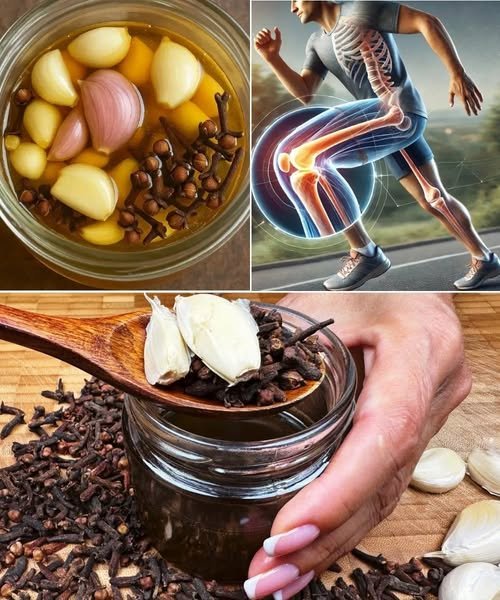
A Simple Traditional Honey, Clove & Garlic Mixture
If you enjoy these ingredients as foods and have no reason to avoid them, you can prepare a small amount as a culinary mixture.
Ingredients
- 2–3 fresh garlic cloves
- 3–4 whole cloves
- 2 tablespoons honey
Directions
- Peel and finely crush the garlic.
- Lightly crush the cloves.
- Combine both ingredients in a clean small jar.
- Add the honey and mix thoroughly.
- Allow the mixture to sit for several hours so the flavors combine.
- Take a small amount with food if desired.
This should be considered a traditional food preparation, not a treatment for arthritis, rheumatism, varicose veins, or severe leg pain.
Important Safety Considerations
Garlic and cloves can interact with certain medications and may increase bleeding tendency, particularly when consumed in concentrated amounts. People taking blood-thinning or antiplatelet medicines should discuss regular use of concentrated garlic or clove preparations with their healthcare professional.
Honey should never be given to babies under 12 months of age.
People with diabetes should also account for honey as part of their carbohydrate and sugar intake.
Avoid applying concentrated garlic or clove preparations directly to painful skin. Garlic, clove oil, and other concentrated substances can irritate or burn the skin.
What If Varicose Veins Are Causing the Pain?
Varicose veins are enlarged, twisted veins that commonly occur in the legs. Symptoms can include aching, heaviness, swelling, itching, or discomfort that becomes worse after prolonged standing.
Lifestyle measures such as regular movement, avoiding long periods of sitting or standing, elevating the legs when appropriate, and maintaining a healthy weight may help some people manage symptoms.
Persistent or worsening symptoms should be assessed by a healthcare professional because treatment depends on the severity and cause.
When Leg Pain Needs Urgent Medical Attention
Do not assume severe leg pain is simply arthritis or rheumatism.
Seek urgent medical attention if one leg suddenly becomes swollen, painful, warm, or red, particularly if the symptoms develop unexpectedly.
Chest pain, sudden shortness of breath, coughing up blood, fainting, or severe breathing difficulty alongside leg symptoms can indicate a potentially serious blood clot and requires emergency medical attention.
Also seek prompt evaluation for leg pain accompanied by:
- Sudden weakness or numbness
- A cold or unusually pale/blue foot
- A wound that is not healing
- Severe swelling
- Fever and a hot, swollen joint
- New difficulty walking
- Severe pain without an obvious explanation
The Bottom Line
Honey, cloves, and garlic are nutritious culinary ingredients with interesting traditional uses and biologically active compounds. However, they should not be presented as a proven cure for leg pain, rheumatism, arthritis, or varicose veins.
If someone’s pain is severe enough that they cannot walk normally—as in stories where a person says, “My mother couldn’t walk because of the pain”—that is a reason to seek a proper medical assessment. Finding the cause of the pain is much more important than relying on a single home remedy.
A homemade mixture can be enjoyed as food when appropriate, but it should complement—not replace—evidence-based medical care.