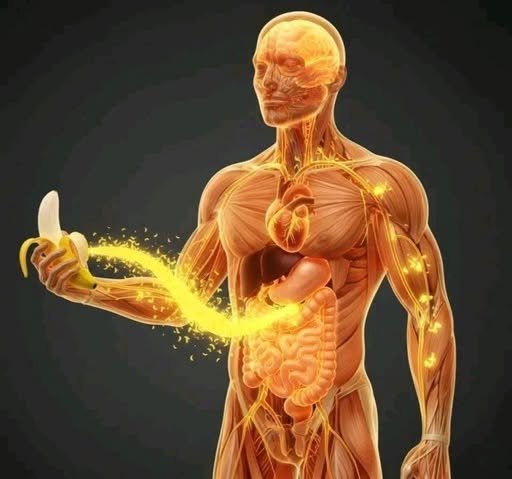
Bananas are one of the simplest fruits to add to your daily diet, but the time you eat them can make you wonder whether they have different effects on the body.
You may have seen headlines claiming that eating a banana in the evening increases something important in your body, from sleep hormones and energy to digestion, potassium levels, or even weight gain.
The truth is more practical.
A banana doesn’t suddenly become a different food after sunset, and eating one at night does not automatically cause weight gain or improve sleep. However, a banana can make a useful evening snack because it provides carbohydrates, fiber, potassium, vitamin B6, and other nutrients.
For some people, it may also be a better choice than highly processed desserts or salty snacks.
Let’s take a closer look at what can actually happen when you eat a banana in the evening.
1. It May Help Satisfy Evening Hunger
One of the biggest benefits of having a banana in the evening is simply that it can help satisfy hunger.
A medium banana provides carbohydrates and fiber, which can make it more filling than many sugary snacks.
If you regularly become hungry between dinner and bedtime, choosing a banana instead of cookies, candy, or heavily processed snacks can be a simple way to improve the overall quality of your diet.
For a more substantial snack, combine a banana with:
- Plain yogurt
- A small handful of nuts
- Peanut butter
- Oatmeal
- Cottage cheese
Adding protein or healthy fats can make the snack more filling and may help you stay satisfied longer.
2. Bananas Provide Potassium
Bananas are well known for their potassium content.
Potassium is an essential mineral involved in several important functions, including normal muscle contraction, nerve function, and fluid balance.
However, eating a banana in the evening does not mean your body specifically absorbs potassium better at night.
Your body uses potassium throughout the day.
The important factor is your overall dietary intake rather than the exact time you eat the fruit.
3. It May Support Normal Muscle Function
Because bananas contain potassium and carbohydrates, they can fit nicely into a diet designed to support normal muscle function.
This can be particularly convenient after an evening walk or workout.
A banana can provide easily digestible carbohydrates that help replenish energy stores, while pairing it with a protein-rich food can make the snack more balanced.
Still, a banana shouldn’t be considered a treatment for muscle cramps.
Frequent or severe cramps can have many causes, including dehydration, medication effects, muscle overuse, and other health conditions.
4. Bananas Contain Vitamin B6
Bananas provide vitamin B6, a nutrient involved in normal metabolism and nervous-system function.
Vitamin B6 also participates in the production of neurotransmitters and the metabolism of proteins.
Eating a banana in the evening contributes to your daily vitamin B6 intake, but there is no special nighttime effect that turns a banana into a powerful sleep or mood treatment.
The benefit comes from including nutritious foods consistently in your diet.
5. Could a Banana Help With Sleep?
This is where many online claims become exaggerated.
Bananas contain nutrients involved in normal nervous-system function, and they also contain carbohydrates.
However, there is not strong evidence that eating one banana before bed will dramatically increase sleep hormones or guarantee deeper sleep.
If you enjoy a banana as part of your evening routine and it doesn’t cause digestive discomfort, there’s nothing inherently wrong with eating one before bed.
For better sleep, more important factors include:
- Keeping a consistent sleep schedule
- Limiting caffeine late in the day
- Reducing bright light before bed
- Keeping the bedroom comfortable and dark
- Avoiding very heavy meals close to bedtime
- Managing stress
6. It Can Be a Better Alternative to Sugary Desserts
If your usual evening snack is ice cream, candy, cookies, or cake, replacing some of those choices with fruit can improve the nutritional quality of your diet.
A banana provides naturally occurring sugars along with fiber, vitamins, and minerals.
This doesn’t mean bananas are “sugar-free.” They still contain carbohydrates and natural sugars.
The key is the overall dietary pattern and portion size.
7. What About Weight Gain?
A common myth says that eating bananas after a certain hour automatically makes you gain weight.
That’s not how body weight works.
Weight change is influenced by overall energy intake, energy expenditure, dietary pattern, physical activity, sleep, and many other factors.
Eating a banana at 8 p.m. doesn’t inherently cause more fat gain than eating the same banana earlier in the day.
However, if someone eats a large amount of food late at night on top of their normal daily intake, those additional calories can contribute to weight gain over time.
The issue is the overall intake—not the clock.
8. Bananas Can Provide Fiber
Bananas contain dietary fiber, which contributes to digestive health.
A slightly less-ripe banana also contains more resistant starch than a very ripe banana. Resistant starch behaves differently from rapidly digested carbohydrates and can be fermented by gut bacteria.
As bananas ripen, their starches become increasingly converted into simpler sugars, making ripe bananas softer and sweeter.
Both ripe and less-ripe bananas can have a place in a balanced diet.
9. Could Bananas Help With Digestion?
For many people, bananas are easy to digest and can be a convenient fruit choice.
Their fiber content can contribute to normal bowel function.
However, individual responses vary.
Some people find bananas soothing when their stomach is unsettled, while others may experience bloating or constipation depending on the banana’s ripeness, portion size, and their individual digestive system.
There is no universal rule that bananas “clean” the digestive tract or detoxify the intestines.
10. What If You Have Diabetes?
People with diabetes don’t necessarily need to avoid bananas.
However, portion size and the overall carbohydrate content of the meal matter.
A banana contains carbohydrates that can raise blood glucose.
Eating it alongside a source of protein or healthy fat may make the snack more balanced, but individual glucose responses vary.
If you monitor blood glucose, you can determine how your body responds to a particular portion.
People taking diabetes medication should follow their healthcare professional’s dietary guidance.
11. What If You Have Kidney Disease?
This is an important consideration.
Because bananas are relatively high in potassium, people with certain types or stages of kidney disease may be advised to limit high-potassium foods.
That does not mean everyone with kidney problems must avoid bananas.
Potassium restrictions depend on kidney function, blood potassium levels, medications, and individual medical advice.
If you have been told to follow a low-potassium diet, ask your healthcare professional or dietitian whether bananas fit into your meal plan.
12. The Best Way to Eat a Banana in the Evening
A banana can be enjoyed by itself, but combining it with another nutritious food can create a more satisfying snack.
Banana and Yogurt
Slice a banana over plain Greek yogurt and add a small amount of cinnamon.
Banana and Nut Butter
Spread a thin layer of peanut or almond butter over banana slices.
Banana Oat Bowl
Combine banana slices with cooked oats and a few chopped nuts.
Simple Banana Snack
If you’re only mildly hungry, simply eat a small banana and drink some water.
There’s no need to turn a healthy snack into a complicated recipe.
When Should You Avoid Eating a Banana at Night?
There’s no universal bedtime rule for bananas.
However, you may want to avoid eating one immediately before lying down if you personally experience:
- Bloating
- Gas
- Reflux
- Stomach discomfort
- Feeling overly full
People with certain medical conditions may also need individualized dietary advice.
Listen to how your body responds rather than following a blanket internet rule.
Does Eating a Banana at Night “Increase Melatonin”?
This is a popular claim online, but it deserves caution.
Bananas contain small amounts of compounds involved in normal biological processes, but eating a banana should not be described as a powerful way to increase melatonin or as a treatment for insomnia.
If you regularly struggle with sleep, addressing your sleep routine and looking for underlying causes is more useful than relying on a single food.
Does Eating a Banana Before Bed Increase Energy?
A banana provides carbohydrates, so it can contribute energy.
But eating it immediately before sleeping isn’t likely to give you a dramatic energy boost.
If you’re consistently exhausted despite getting enough sleep, don’t assume you simply need more bananas or another food. Persistent fatigue can have many causes and may warrant medical evaluation.
The Bottom Line
So, what does eating a banana in the evening actually increase?
It can increase your intake of potassium, vitamin B6, fiber, carbohydrates, and other nutrients, while also providing a convenient and naturally sweet snack.
But there is no evidence that eating a banana specifically at night creates a magical increase in metabolism, burns fat while you sleep, dramatically raises melatonin, or produces an overnight health transformation.
The most useful way to think about bananas is simple: they are a nutritious fruit that can fit into your diet at many different times of the day.
If a banana satisfies your evening hunger and helps you choose a nutritious snack instead of highly processed foods, it can be an excellent addition to your routine.
SEO Title
Eating Bananas in the Evening: What Happens to Your Body?
Meta Description
What happens when you eat a banana in the evening? Learn about potassium, fiber, vitamin B6, digestion, sleep, weight, blood sugar, and the facts behind nighttime banana claims.