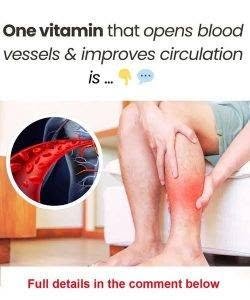
When people experience cold hands and feet, tingling, or other circulation concerns, they often look for a vitamin that can quickly “open” their blood vessels. One vitamin frequently mentioned in this conversation is vitamin B3, also known as niacin.
But there is an important distinction between temporarily increasing blood flow to the skin and actually treating poor circulation.
Niacin can cause vasodilation, meaning some small blood vessels near the skin widen. This is responsible for the familiar “niacin flush,” which may cause warmth, redness, tingling, burning, or itching. However, this temporary reaction does not mean that niacin can clear blocked arteries or cure a circulation disorder.
What Is Vitamin B3?
Vitamin B3 is a water-soluble B vitamin that includes nicotinic acid (niacin) and nicotinamide (niacinamide).
The body uses vitamin B3 to help convert food into energy and to support normal cellular function. Niacin is naturally found in foods such as poultry, beef, fish, nuts, legumes, and some enriched or fortified grain products.
For most people, getting enough vitamin B3 through a varied diet is preferable to taking high-dose supplements.
How Can Niacin Affect Blood Vessels?
One of the most noticeable effects of nicotinic acid is flushing.
According to the National Institutes of Health, doses of approximately 30–50 mg or more of nicotinic acid can commonly cause flushing because of vasodilation of small blood vessels close to the skin. The effect can also be accompanied by warmth, burning, tingling, itching, headache, dizziness, or a drop in blood pressure.
This explains why someone taking niacin may suddenly feel warm or notice that their skin becomes red.
However, a temporary flushing response should not be confused with improved treatment of circulation throughout the body.
Can Niacin Clear Blocked Arteries?
No.
Atherosclerosis occurs when plaque builds up inside arteries, potentially narrowing them and reducing blood flow. Treating this problem requires addressing the underlying cardiovascular risk factors and, when appropriate, using prescribed medications or procedures.
Although prescription-strength niacin can change cholesterol levels, clinical evidence has not shown that these changes translate into fewer cardiovascular events for people already receiving appropriate cholesterol-lowering treatment. The NIH notes that high-dose niacin has potential risks and should be medically supervised.
Foods That Provide Vitamin B3
You don’t need a high-dose supplement to obtain vitamin B3.
Good food sources include:
- Chicken and other poultry
- Beef
- Fish
- Peanuts
- Certain nuts and legumes
- Enriched breads
- Fortified cereals
- Whole grains
A balanced diet can generally provide the amount your body needs.
For adults, the recommended daily amount is approximately 16 mg niacin equivalents (NE) for men and 14 mg NE for women.
What About Niacin Supplements?
This is where caution is especially important.
The amount of niacin needed to meet nutritional requirements is much smaller than the doses sometimes used medically to alter cholesterol levels.
High doses of nicotinic acid can cause significant flushing and may produce other adverse effects. Very high doses can affect the liver, blood sugar, and other aspects of health. The American Heart Association currently advises that niacin used for triglyceride or cholesterol treatment should be taken only when prescribed.
Do not take high-dose niacin simply because you want better circulation.
Also remember that niacinamide does not produce the same flushing effect as nicotinic acid, so products labeled simply “vitamin B3” are not necessarily equivalent.
Better Ways to Support Healthy Circulation
If your goal is long-term vascular health, focus on habits that have stronger evidence than relying on one vitamin.
Walk Regularly
Walking and other forms of regular physical activity support cardiovascular fitness and can be particularly important for people concerned about circulation in their legs.
Don’t Smoke
Smoking damages blood vessels and is an important cardiovascular risk factor.
Eat a Heart-Healthy Diet
Build meals around vegetables, fruits, whole grains, beans, nuts, seeds, lean proteins, and healthier unsaturated fats while limiting highly processed foods, excess sodium, added sugars, and saturated fats.
Manage Blood Pressure
High blood pressure can damage arteries over time. Regular monitoring and appropriate treatment are important parts of maintaining vascular health.
Keep Cholesterol Under Control
High LDL cholesterol contributes to plaque buildup in arteries. Depending on a person’s cardiovascular risk, lifestyle changes and cholesterol-lowering medication may be appropriate.
When Poor Circulation Needs Medical Attention
Don’t assume that cold feet, leg pain, numbness, or color changes are simply signs of a vitamin deficiency.
Peripheral artery disease (PAD), for example, can reduce blood flow to the legs. Symptoms can include leg pain or cramping with walking, coldness, numbness, or wounds that heal slowly.
Seek prompt medical evaluation if you have persistent or worsening circulation symptoms.
Sudden weakness, severe chest pain, difficulty breathing, sudden loss of sensation, or other signs of a possible heart attack or stroke require emergency medical attention.
The Bottom Line
Vitamin B3 (niacin) can temporarily widen small blood vessels and cause the well-known niacin flush, but it is not a magic circulation booster or a treatment for blocked arteries.
For most people, obtaining vitamin B3 from foods is enough. If you are concerned about poor circulation, the more important question is why your blood flow may be reduced.
Regular physical activity, a heart-healthy diet, avoiding tobacco, and controlling blood pressure, cholesterol, and blood sugar can do far more for long-term vascular health than taking a high-dose vitamin supplement.
SEO Title
One Vitamin That Can Affect Blood Vessel Function and Circulation
Meta Description
Learn how vitamin B3 (niacin) affects blood vessels, what causes the niacin flush, and why healthy circulation requires more than a single vitamin.