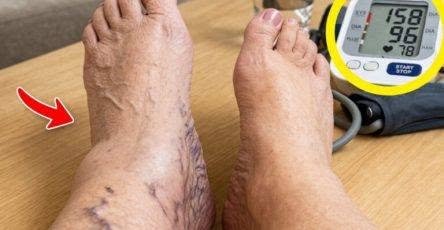
Your heart and blood vessels work around the clock to keep blood moving throughout your body. While you cannot control every factor that affects cardiovascular health, everyday habits can make an important difference.
Healthy blood pressure is influenced by factors such as diet, physical activity, body weight, sleep, tobacco use, stress, alcohol intake, family history, age, and certain medical conditions. Regular movement and a heart-healthy eating pattern can also support the health of your circulation and blood vessels.
The good news is that these habits don’t have to be complicated. Small actions repeated consistently can become part of a sustainable routine.
Here are 5 simple daily habits you can start today.
1. Take a Brisk Walk Every Day
One of the simplest ways to support cardiovascular and circulatory health is to move regularly.
Walking makes your muscles work, which helps your body use energy and supports overall cardiovascular fitness. Regular physical activity can help lower blood pressure, manage weight, and reduce stress. The American Heart Association recommends at least 150 minutes of moderate-intensity aerobic activity per week, such as brisk walking, preferably spread throughout the week.
You don’t necessarily need to complete your activity in one long session.
Try:
- A 10-minute walk after breakfast
- A 10-minute walk after lunch
- A 10-minute walk after dinner
- Taking the stairs when practical
- Standing up and moving around regularly if you have a desk job
If you’re currently inactive, start gradually and increase your activity over time.
2. Make One Lower-Sodium Choice at Every Meal
Too much sodium can contribute to higher blood pressure. A significant amount of dietary sodium comes from packaged, prepared, and restaurant foods rather than simply the salt shaker.
Instead of trying to completely change your diet overnight, begin by making one lower-sodium choice at each meal.
For example, choose:
- Fresh vegetables instead of salty packaged snacks
- Unsalted nuts instead of heavily salted varieties
- Fresh meat or fish instead of highly processed meats
- Homemade soups instead of instant soups
- Fresh fruit instead of salty processed snacks
The American Heart Association recommends no more than 2,300 mg of sodium per day, with an ideal limit of about 1,500 mg for most adults, particularly those with high blood pressure. Individual needs can vary, so discuss your target with a healthcare professional if you have a medical condition requiring dietary restrictions.
3. Eat More Foods That Support Heart Health
A heart-healthy eating pattern isn’t about one magical food. It’s about what you eat regularly.
Build meals around vegetables, fruits, whole grains, beans and legumes, nuts and seeds, and lean protein sources. The DASH-style eating pattern is one dietary approach with evidence for helping manage blood pressure.
Easy daily additions include:
- Leafy green vegetables
- Tomatoes
- Berries and other fruits
- Beans and lentils
- Oats and other whole grains
- Unsalted nuts and seeds
- Fish
- Plain or low-fat yogurt, when appropriate
At the same time, try to reduce highly processed foods, salty snacks, foods high in saturated fat, and sugary drinks.
If you have kidney disease or have been instructed to restrict potassium, don’t deliberately increase high-potassium foods without discussing it with your healthcare professional.
4. Break Up Long Periods of Sitting
A daily workout is helpful, but so is avoiding long stretches of inactivity.
If your work requires you to sit for several hours, make a habit of getting up periodically. Walk around the room, stretch gently, refill your water, or perform another safe movement.
This is particularly useful for people who spend much of their day at a desk or driving.
Regular physical activity helps keep the heart and blood vessels healthy, while spending less time sitting can make it easier to stay active throughout the day.
A simple goal is:
Sit → stand → move → return to work.
You don’t need an elaborate exercise routine to begin creating a more active day.
5. Protect Your Sleep and Avoid Tobacco
Sleep is often overlooked when people think about blood pressure, but getting adequate, good-quality sleep is part of cardiovascular health. Regularly getting too little sleep is associated with a greater risk of high blood pressure and other health problems.
Create a simple evening routine:
- Go to bed at a consistent time
- Keep your bedroom comfortable and dark
- Reduce stimulating activities close to bedtime
- Avoid excessive caffeine late in the day
- Aim for sufficient, regular sleep
If you smoke or use tobacco or nicotine products, quitting is another important step. Nicotine can temporarily raise blood pressure, and tobacco use damages blood vessels and increases cardiovascular risk.
What About Visible Veins?
Seeing veins on your hands, arms, legs, or feet doesn’t automatically mean that your circulation is poor.
Veins can become more noticeable because of genetics, lower body fat, exercise, age-related skin changes, temperature, or other factors.
However, certain vein symptoms deserve medical attention.
Contact a healthcare professional if you develop persistent:
- Leg swelling
- Leg pain or aching
- Skin discoloration
- Changes around a vein
- A sore that doesn’t heal
- Increasingly prominent or twisted veins
Sudden swelling, pain, warmth, or redness in one leg—especially when accompanied by chest pain or difficulty breathing—requires urgent medical evaluation.
Don’t Rely on Habits Alone if You Have High Blood Pressure
Lifestyle changes are important, but they aren’t always enough by themselves.
High blood pressure often causes no obvious symptoms, so measuring it is the only reliable way to know whether it is elevated. People who have been diagnosed with hypertension may need medication as well as lifestyle changes.
Don’t stop or change prescribed blood-pressure medication because your readings improve. Discuss medication changes with your healthcare professional.
A Simple Daily Routine
You can combine all five habits into one realistic routine:
Morning:
Drink water, eat a balanced breakfast, and take a short walk.
During the day:
Choose lower-sodium foods and include vegetables, fruit, whole grains, or beans in your meals.
During work:
Stand up and move regularly instead of remaining seated for hours.
Evening:
Take another short walk if appropriate and prepare for a consistent bedtime.
Every day:
Avoid tobacco and monitor your blood pressure if your healthcare professional has recommended home monitoring.
Final Thoughts
Supporting healthy blood pressure and circulation doesn’t require a miracle drink, expensive supplement, or extreme routine.
Start with simple habits you can actually maintain: walk regularly, reduce excess sodium, eat a heart-healthy diet, break up long periods of sitting, sleep well, and avoid tobacco.
Over time, these small choices can become an important part of protecting cardiovascular health.
And if you already have high blood pressure, persistent leg symptoms, or another cardiovascular condition, lifestyle habits should complement—not replace—appropriate medical care.
SEO Title
5 Easy Daily Habits to Support Healthy Blood Pressure and Vein Health
Meta Description
Discover 5 simple daily habits that can support healthy blood pressure and circulation, including walking, reducing sodium, healthy eating, movement, sleep, and avoiding tobacco.