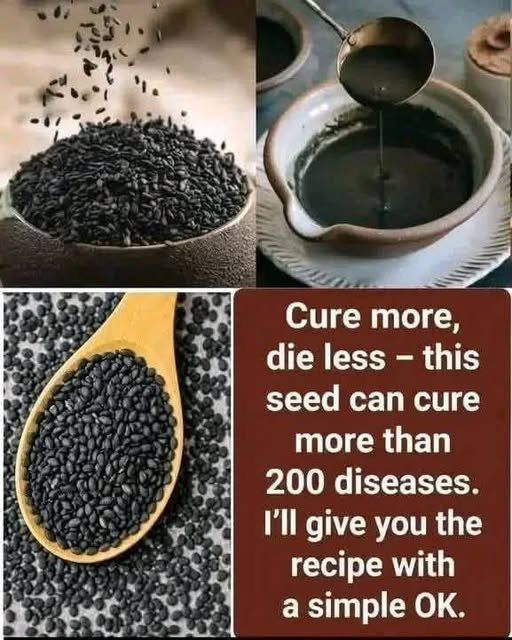
Black Seed: The Traditional Seed Studied for Many Health Benefits
Black seed has been used in traditional medicine for centuries, and today it continues to attract attention from researchers interested in its potential effects on blood sugar, cholesterol, blood pressure, inflammation, and other aspects of health.
Often called black seed, black cumin, or Nigella sativa, these small dark seeds contain several naturally occurring compounds, including thymoquinone, which is one of the best-studied components of black seed.
You may have heard the dramatic saying that black seed “cures everything except death.” It is a memorable traditional expression, but it should not be interpreted as a medical claim that black seed can cure every disease—or even 200 different diseases.
Scientific research has found promising signals in several areas, but the strength of evidence varies considerably. A major overview of systematic reviews found that only a small portion of the available evidence was considered moderate quality, while most was rated low or very low quality. The researchers concluded that larger, better-designed clinical trials are still needed.
So what might black seed actually offer?
1. Contains Thymoquinone
One of the most extensively studied compounds in Nigella sativa is thymoquinone.
Laboratory and animal research has investigated its antioxidant, anti-inflammatory, and other biological activities. Human research is more limited, so promising laboratory findings should not automatically be considered proven treatments.
2. Provides Antioxidant Compounds
Black seed contains compounds with antioxidant activity.
Antioxidants help protect cells from oxidative stress, although eating an antioxidant-containing food does not mean it can prevent or cure every disease.
3. May Support Healthy Blood Sugar
Blood-sugar control is one of the areas where black seed has received considerable research attention.
A 2024 systematic review and meta-analysis of 30 randomized controlled trials reported reductions in fasting blood glucose and HbA1c with Nigella sativa supplementation. However, the researchers also noted substantial variation between studies and called for further research on appropriate doses and duration.
Black seed should not replace diabetes medication.
4. May Support Cardiometabolic Health
A 2026 GRADE-assessed meta-analysis involving 31 trials and 2,145 participants found modest improvements in several cardiometabolic measures, including blood pressure, fasting glucose, HbA1c, weight, and BMI. The authors also emphasized variability in outcomes and the need for further well-designed research.
These findings suggest potential—not proof that black seed prevents or cures cardiovascular disease.
5. May Help Maintain Healthy Blood Pressure
Research has investigated black seed supplementation for blood pressure.
An updated systematic review and meta-analysis found evidence suggesting potential blood-pressure reductions, although the results across individual studies have not been completely consistent.
Anyone taking blood-pressure medication should be cautious about adding concentrated supplements without professional advice.
6. May Support Healthy Cholesterol Levels
Black seed has also been studied for cholesterol and triglyceride levels.
Some clinical trials report improvements, while others have produced less convincing results. This inconsistency is one reason researchers continue to call for better trials.
7. May Have Anti-Inflammatory Activity
Thymoquinone and other black-seed compounds have demonstrated anti-inflammatory activity in laboratory research.
Some human studies have also investigated inflammatory markers, but this does not mean black seed can treat inflammatory diseases on its own.
8. May Support Metabolic Health
Because researchers have observed potential effects on blood glucose, blood pressure, body weight, and lipid measures, black seed is being investigated as a possible complementary nutritional approach for metabolic health.
It should remain a supplement to—not a replacement for—proven lifestyle and medical treatments.
9. May Support Heart Health
Some clinical research has examined black seed in relation to cardiovascular risk factors.
A 2025 systematic review of 82 randomized trials reported improvements in several cardiovascular risk markers, although the interventions varied considerably in dose and duration.
The results are interesting, but they do not establish black seed as a treatment for heart disease.
10. May Have Antimicrobial Properties
Black seed compounds have demonstrated antimicrobial activity in laboratory studies.
However, laboratory activity against microorganisms is different from demonstrating that eating black seed can cure an infection in a person.
Never use black seed instead of appropriate antibiotics or other prescribed treatment for a serious infection.
11. May Support Digestive Health
Traditional medicine has used black seed for digestive complaints.
Research has explored gastrointestinal effects, but evidence for specific digestive diseases remains insufficient to describe black seed as a cure.
12. May Support Healthy Liver Function
Animal and laboratory research has investigated black seed and thymoquinone in relation to oxidative stress and liver function.
Some human studies have also examined liver-related markers, but more rigorous evidence is needed before making treatment claims.
13. May Support Healthy Weight Management
Some clinical studies have reported modest changes in body weight, BMI, or waist-related measurements with black seed supplementation.
These effects, when present, should not be confused with a rapid fat-burning effect.
Healthy eating, physical activity, sleep, and overall calorie balance remain much more important for long-term weight management.
14. May Support Joint Comfort
Black seed has been investigated for inflammatory and pain-related conditions.
A 2024 systematic review of six randomized trials involving 370 people with knee osteoarthritis found mixed results. Some topical-oil studies reported pain improvements, while other oral studies did not find significant benefits. The researchers concluded that evidence remains insufficient for firm clinical recommendations.
15. May Support Respiratory Health
Black seed has been investigated in respiratory conditions, partly because of the biological effects of its compounds.
Some studies have reported potentially beneficial effects, but it should not replace inhalers, allergy treatment, antibiotics, or other prescribed respiratory therapies.
16. May Support General Wellness
As a food ingredient, black seed can contribute variety to the diet.
It is best viewed as one component of an overall healthy eating pattern rather than a universal medicine.
How Can You Use Black Seed?
Black seed is commonly used as a spice.
You can try adding a small amount to:
- Homemade bread
- Flatbreads
- Eggs
- Salads
- Soups
- Vegetable dishes
- Rice dishes
- Yogurt
- Homemade spice blends
Black seed oil is another form, but concentrated oils and supplements are different from ordinary culinary use.
Simple Black Seed and Honey Combination
A popular traditional preparation combines black seed with honey.
Ingredients
- ½ teaspoon ground black seed
- 1 teaspoon honey
Directions
Mix the ground black seed with honey and consume it as a small food preparation.
Remember that this is a traditional food combination, not a proven treatment for disease.
People with diabetes should also remember that honey contributes sugar and carbohydrates.
Black Seed Oil vs. Black Seeds
These products shouldn’t automatically be treated as interchangeable.
Whole or ground seeds are primarily used as a food or spice.
Black seed oil is more concentrated and may provide different amounts of active compounds.
Extracts and supplements can vary substantially in strength and formulation.
Research findings from a specific oil or standardized extract cannot necessarily be applied to an ordinary spoonful of whole seeds.
Can Black Seed Really Cure 200 Diseases?
There is currently no good scientific evidence that black seed cures more than 200 diseases.
Researchers have investigated Nigella sativa across many different conditions, which may help explain how the “200 diseases” claim became popular. But studying something for a disease is not the same as proving that it cures that disease.
The scientific evidence is also uneven.
A comprehensive overview published in 2023 examined 20 systematic reviews and meta-analyses. Of 110 evidence assessments, only five were rated moderate quality, 17 low quality, and 88 very low quality. The authors concluded that the clinical effectiveness of Nigella sativa needs confirmation through high-quality randomized trials.
That is an important distinction.
Promising research is not the same as a cure.
Black Seed Safety
Black seed is commonly consumed as a food, but concentrated supplements and oils deserve more caution.
Possible concerns include:
- Stomach upset
- Allergic reactions
- Interactions with medications
- Effects on blood sugar
- Effects on blood pressure
- Potential effects on bleeding
If you take medication for diabetes, blood pressure, blood clotting, or another chronic condition, talk with a healthcare professional before regularly using concentrated black-seed supplements.
Pregnant or breastfeeding individuals should also seek professional advice before using medicinal amounts or concentrated preparations.
And if you have a serious illness, don’t delay proven treatment because of claims about black seed.
The Bottom Line
Black seed is certainly an interesting traditional food and medicinal plant. Its active compounds—particularly thymoquinone—have been studied for antioxidant, anti-inflammatory, metabolic, cardiovascular, and other biological effects.
Some recent clinical reviews have reported modest improvements in certain health markers, particularly blood glucose and several cardiovascular risk factors.
But saying that black seed “cures everything except death” or “cures 200 diseases” goes far beyond what current scientific evidence can support.
A more accurate way to describe it is:
Black seed is a traditional spice with promising research behind several potential health effects, but it is not a universal cure.
Used sensibly as part of a balanced diet—and with appropriate medical guidance when using concentrated supplements—it can be an interesting addition to a healthy lifestyle.
SEO Title
Black Seed Benefits: What Nigella Sativa May Really Do for Your Health
Meta Description
Discover the potential benefits of black seed, or Nigella sativa, including research on blood sugar, blood pressure, cholesterol, inflammation, and important safety considerations.