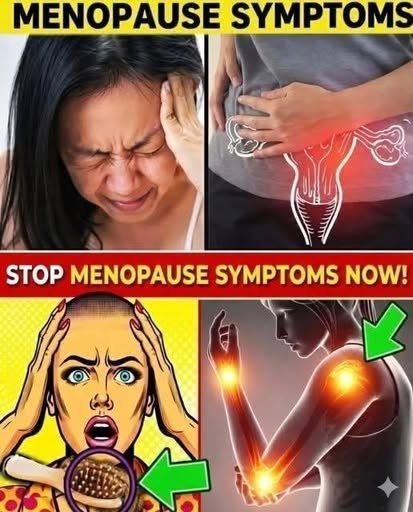
Menopause is a natural stage of life, but the transition can bring changes that seem confusing, unexpected, or unrelated to your menstrual cycle.
One week you may feel completely normal. The next, you might wake up sweating, struggle to sleep, feel unusually irritable, or notice that your periods are suddenly behaving differently.
These changes are often associated with perimenopause, the years leading up to menopause. Menopause itself is officially reached after you have gone 12 consecutive months without a menstrual period, assuming there is no other explanation and you are not using hormonal contraception that affects your periods.
The transition commonly begins between ages 45 and 55, although it can happen earlier. Symptoms vary considerably—some women experience many symptoms, while others have very few.
Here are nine common signs and what they may really mean.
1. Your Periods Suddenly Become Irregular
For many women, changes in their menstrual cycle are among the earliest clues that perimenopause may be beginning.
Your period might:
- Arrive earlier than expected
- Come later than usual
- Become lighter
- Become heavier
- Last longer or shorter
- Occasionally be skipped
These changes happen because ovarian hormone production becomes less predictable during the menopausal transition.
However, don’t automatically assume that unusual bleeding is menopause. Very heavy bleeding, bleeding between periods, bleeding after sex, or periods lasting more than a week should be discussed with a healthcare professional.
What it really means
Your reproductive hormones may be fluctuating—not necessarily that menopause has already occurred.
You can still become pregnant during perimenopause, so contraception may still be necessary until menopause has been established.
2. You Suddenly Feel Hot for No Obvious Reason
A sudden wave of heat spreading through your face, neck, chest, or upper body is commonly called a hot flash or hot flush.
You may notice:
- Sudden warmth
- Facial flushing
- Sweating
- A rapid heartbeat
- Chills afterward
- Feeling uncomfortable or anxious
Some hot flashes are brief, while others can last several minutes. When they occur during sleep, they’re commonly called night sweats.
What it really means
Changing hormone levels during the menopausal transition can affect the body’s temperature-regulation system.
Certain factors may make hot flashes more noticeable, including caffeine, spicy foods, hot drinks, smoking, alcohol, stress, and warm environments.
Keeping the bedroom cool, dressing in layers, and identifying personal triggers may help.
3. Your Sleep Has Become Much Worse
You may find yourself lying awake for hours, waking repeatedly, or getting up much earlier than you want.
Sometimes the reason is obvious: you’re waking because of night sweats.
Other times, sleep problems may occur without an obvious hot flash.
Poor sleep can then create another cycle of problems the following day, including:
- Irritability
- Difficulty concentrating
- Feeling exhausted
- Lower mood
- Increased stress
Sleep problems are common around the menopausal transition and can be influenced by hot flashes, night sweats, mood changes, and other midlife factors.
What it really means
Your poor sleep may be connected to hormonal changes, but menopause isn’t the only possible cause.
Stress, medications, sleep disorders, anxiety, depression, and other health conditions can also interfere with sleep.
4. Your Mood Feels Different
Some women notice that they’re more irritable, emotional, anxious, or easily overwhelmed during perimenopause.
You might think:
“Why am I getting upset so easily?”
“Why do small things bother me now?”
“Why don’t I feel like myself?”
Mood changes can occur during the menopausal transition. However, they aren’t necessarily caused by hormones alone. Sleep deprivation, life stress, family responsibilities, depression, anxiety, and physical symptoms can also contribute.
What it really means
Mood changes deserve attention rather than being dismissed as simply “getting older.”
If low mood, anxiety, or depression is persistent or interfering with everyday life, talk with a healthcare professional. Effective treatments are available.
5. You Experience Brain Fog or Trouble Concentrating
You may occasionally walk into a room and forget why you went there, struggle to find a word, or have difficulty concentrating on something that previously felt easy.
This is sometimes described as brain fog.
Memory and concentration difficulties can occur around menopause, and poor sleep may make them more noticeable.
What it really means
Occasional forgetfulness does not automatically mean dementia or another serious neurological condition.
However, severe, rapidly worsening, or unusual cognitive changes should not simply be blamed on menopause. They deserve medical evaluation.
6. You Notice Changes in Your Weight or Body Shape
Some women notice that their waist becomes larger or that their body composition changes around midlife.
You may experience:
- More abdominal weight
- Less muscle mass
- Changes in fat distribution
- Difficulty maintaining your previous weight
Hormonal changes can contribute to changes in body composition during the menopausal transition, but aging, activity levels, diet, sleep, genetics, and muscle loss also play important roles.
What it really means
Menopause doesn’t make weight gain inevitable, and it certainly doesn’t mean you need a crash diet.
A balanced diet, regular physical activity, resistance training, adequate protein, and good sleep can all support healthy body composition.
7. Sex Becomes Uncomfortable or Your Vaginal Health Changes
Declining estrogen levels can contribute to vaginal dryness and other changes around menopause.
You might notice:
- Vaginal dryness
- Burning or irritation
- Itching
- Discomfort during sex
- Reduced sexual desire
For some women, these changes can have a significant effect on intimacy and quality of life.
What it really means
Pain during sex isn’t something you simply have to tolerate.
Water-based lubricants and vaginal moisturizers can help some women. Healthcare professionals can also discuss other treatment options, including localized treatments when appropriate.
8. Your Bladder Seems Different
Urinary changes can become more common around menopause.
You might experience:
- Needing to urinate more frequently
- Sudden urges to urinate
- Urine leakage when coughing or sneezing
- Waking at night to urinate
- Repeated urinary tract infections
Changes in the tissues of the urinary and vaginal areas can contribute to some of these symptoms.
What it really means
Don’t assume every urinary symptom is simply menopause.
Burning during urination, pelvic discomfort, fever, blood in the urine, or other concerning symptoms may indicate an infection or another condition and should be evaluated.
9. Your Joints, Muscles, Skin, or Hair Seem Different
Menopause can affect more than periods and hot flashes.
Some women notice:
- Achy joints
- Muscle stiffness
- Drier skin
- Itchy skin
- Thinning hair
- Reduced muscle mass
- Changes in body composition
Joint and muscle discomfort and skin changes are reported during the menopausal transition, although these symptoms can also have many other causes.
What it really means
A new physical symptom isn’t automatically proof that your hormones are responsible.
If symptoms are persistent, severe, or worsening, a healthcare professional can help determine whether menopause or another condition is involved.
Menopause vs. Perimenopause: What’s the Difference?
This distinction is important.
Perimenopause is the transition leading up to menopause. During this period, hormone levels fluctuate and symptoms can begin.
Menopause is a specific point in time: it is reached after you have gone 12 months without a menstrual period.
Postmenopause refers to the years after menopause.
So, if your periods are becoming irregular and you’re experiencing hot flashes, you may be going through perimenopause, even though you have not technically reached menopause yet.
What Can You Do During the Menopausal Transition?
There isn’t one solution that works for every woman.
Helpful lifestyle habits can include:
Eat a Balanced Diet
Build meals around vegetables, fruits, whole grains, beans, lean proteins, dairy or suitable alternatives, and healthy fats.
Calcium-rich foods are particularly important for maintaining bone health.
Stay Physically Active
Regular exercise can support muscle strength, cardiovascular health, mobility, and bone health.
Weight-bearing and resistance exercises are especially useful for maintaining strength and supporting bones.
Protect Your Sleep
Try to maintain a consistent sleep and wake schedule.
If night sweats are bothering you, keeping your bedroom cool and wearing lightweight clothing may help.
Pay Attention to Hot-Flash Triggers
Keep a simple record of when hot flashes happen.
You may discover that caffeine, spicy foods, stress, warm rooms, or certain beverages trigger or worsen them.
Don’t Ignore Your Mental Health
Feeling occasionally irritable is one thing. Persistent depression, anxiety, hopelessness, or loss of interest in normal activities deserves professional attention.
Discuss Treatment Options When Symptoms Interfere With Life
Some women don’t need treatment. Others benefit from lifestyle measures, nonhormonal medications, hormone therapy, or treatments specifically targeted to symptoms.
The appropriate choice depends on your symptoms, medical history, age, risks, and preferences.
When Should You See a Doctor?
Speak with a healthcare professional if you’re concerned about symptoms or they are interfering with your daily life.
It’s particularly important to seek medical advice if:
- Your bleeding becomes unusually heavy
- You bleed between periods or after sex
- Your periods last longer than a week
- You develop significant or persistent palpitations
- Symptoms begin unusually early
- You have gone 12 months without a period and then experience any vaginal bleeding
Bleeding after menopause should always be evaluated, even if it happens only once or consists of light spotting.
Final Thoughts
Menopause isn’t an illness—it is a natural biological stage of life. But the transition can bring real and sometimes disruptive changes.
Irregular periods, hot flashes, sleep problems, mood changes, brain fog, body-composition changes, vaginal dryness, urinary symptoms, and aches or skin and hair changes can all occur around the menopausal transition.
At the same time, not every symptom in midlife is caused by menopause.
Understanding what your body may be experiencing can help you recognize when a change is likely part of the transition and when it’s worth speaking with a healthcare professional.
Most importantly, you don’t have to simply “put up with” symptoms that are affecting your quality of life. There are ways to manage many menopause-related symptoms and support your health during and after this stage of life.
SEO Title
9 Signs You’re Going Through Menopause (And What They Really Mean)
Meta Description
Discover 9 common signs of perimenopause and menopause, including irregular periods, hot flashes, sleep problems, mood changes, brain fog, and more.
Focus Keyphrase
signs of menopause
Suggested Slug
9-signs-of-menopause