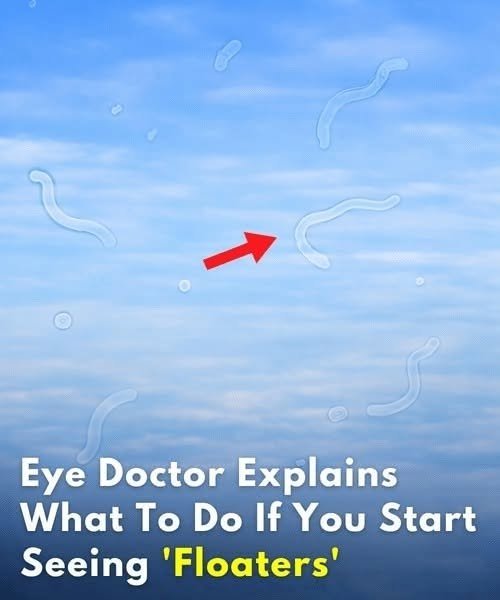
Have you ever noticed tiny black dots, squiggly lines, cobwebs, rings, or little shadows drifting across your vision?
These are commonly called eye floaters, and they can be surprisingly distracting—especially when you’re looking at a bright sky, a white wall, or a computer screen.
For many people, floaters are harmless and become less noticeable over time. They are often caused by normal age-related changes in the vitreous, the clear, jelly-like substance inside the eye.
But there is one important exception:
A sudden appearance of new floaters, particularly when accompanied by flashes of light or changes in vision, can be a warning sign of a retinal tear or retinal detachment.
That is why new floaters shouldn’t automatically be dismissed as “just aging.”
Here’s what you should know if you start seeing them.
What Exactly Are Eye Floaters?
Floaters are tiny shadows that appear to move through your field of vision.
They may look like:
- Small black dots
- Specks
- Threads
- Squiggly lines
- Cobwebs
- Rings
- Clouds
- Tadpole-like shapes
Although they may appear to be floating in front of your eye, they’re actually associated with structures inside the vitreous gel.
As light passes through the eye, these structures can cast shadows onto the retina, creating the appearance of floaters.
Why Do Floaters Become More Common With Age?
As we get older, the vitreous gel naturally changes.
It gradually becomes more liquid and can pull away from the retina. This process is called a posterior vitreous detachment (PVD).
PVD is common as people age and is often harmless. In many cases, the floaters eventually become less noticeable as the brain adapts to them.
However, when the vitreous separates from the retina, it can sometimes pull strongly enough to cause a retinal tear.
That is why a sudden new onset of floaters deserves attention.
Step 1: Don’t Panic—But Don’t Ignore New Floaters
Seeing one or two floaters that you’ve had for years, without any change in your vision, is generally much less concerning than suddenly seeing many new ones.
Long-standing floaters often become less noticeable with time and may not require treatment.
But if you suddenly notice floaters you’ve never seen before, it’s wise to have your eyes examined promptly.
A professional eye examination can determine whether the retina is healthy.
Step 2: Pay Attention to Flashes of Light
Floaters aren’t the only symptom to watch.
Some people experience sudden flashes of light, often described as:
- Lightning streaks
- Brief flashes
- Sparkles
- Flickering lights
- Flashes at the side of the vision
These can happen when changes in the vitreous pull on or stimulate the retina.
Flashes can have other causes, including migraine-related visual symptoms, but new flashes accompanied by new floaters need prompt assessment because retinal problems are one possible cause.
Step 3: Know the Biggest Warning Sign—A Curtain or Shadow
One of the most important symptoms to recognize is a dark curtain, veil, or shadow moving across your vision.
This can be a sign of retinal detachment.
Other concerning changes include:
- A sudden loss of part of your peripheral vision
- A new blind spot
- Sudden blurred vision
- A sudden shower of floaters
- Many new floaters appearing at once
These symptoms require urgent medical attention because retinal detachment can permanently affect vision if treatment is delayed.
Don’t Wait for It to Go Away
A common mistake is thinking:
“I’ll wait a few days and see whether the floaters disappear.”
That may be inappropriate when symptoms are new or rapidly changing.
Some harmless floaters do become less noticeable, but you cannot reliably determine from the appearance alone whether a retinal tear is present.
An eye examination is what helps distinguish a normal vitreous change from a potentially serious retinal problem.
Step 4: Get an Eye Examination
If you suddenly develop new floaters or flashes, contact an eye-care professional promptly for an examination.
An ophthalmologist can examine the back of your eye, often after dilating the pupils.
The purpose is to look for:
- Retinal tears
- Retinal detachment
- Bleeding inside the eye
- Posterior vitreous detachment
- Other abnormalities
If the retina looks healthy, you may simply be monitored or reassured.
If a retinal tear is found, treatment may be needed to reduce the risk of progression to retinal detachment.
Step 5: Know Your Risk Factors
Some people have a higher risk of retinal problems.
Risk factors can include:
Older age
Age-related changes in the vitreous make PVD and related symptoms more common.
Significant nearsightedness
People who are very short-sighted have an increased risk of retinal detachment.
Previous cataract or other eye surgery
Certain eye surgeries can increase the risk of retinal problems.
Previous eye injury
A significant injury to the eye can increase the risk.
Previous retinal tear or detachment
Having had a retinal tear or detachment increases the importance of monitoring new symptoms.
Family history
Some retinal detachments can occur more frequently within families.
Step 6: Don’t Try to Treat Floaters With Home Remedies
You may find online suggestions involving:
- Eye exercises
- Special drinks
- Vitamins
- Herbal drops
- “Eye detoxes”
- Supplements
- Homemade eye treatments
There is no home remedy that can reliably determine whether a retinal tear or detachment is present.
More importantly, putting homemade substances into your eyes can cause irritation or injury.
If you have new floaters, the important step is an appropriate eye examination—not trying to dissolve the floater at home.
Can Floaters Go Away?
Sometimes they become less noticeable rather than completely disappearing.
The brain can gradually adapt to persistent floaters, making them less distracting over time. Flashes associated with vitreous changes may also settle.
For many people, no treatment is necessary.
However, persistent floaters that significantly interfere with vision can occasionally require specialist discussion about treatment options.
Treatment is not normally necessary simply because a person notices a harmless floater.
Can You Prevent Eye Floaters?
Unfortunately, many age-related floaters cannot be prevented.
The changes in the vitreous are part of the normal aging process for many people.
However, protecting your eyes from injury is sensible.
When appropriate, use protective eyewear during activities involving flying debris, chemicals, tools, or other eye hazards.
Regular eye examinations can also help detect other eye conditions, particularly as you get older.
What If You Only See Floaters Against a Bright Background?
This is extremely common.
You may notice floaters more clearly when looking at:
- A blue sky
- A white wall
- Snow
- A bright computer screen
- A brightly lit room
Because the background is uniform and bright, shadows from structures inside the eye can become easier to notice.
If the floater has been present for a long time and hasn’t changed, it may simply be something your visual system has learned to ignore.
But a new or suddenly increasing floater is different and should be assessed.
When Floaters Are an Emergency
Seek urgent eye care if you experience:
A sudden shower of new floaters
New flashes of light
A dark curtain or shadow
Sudden loss of peripheral vision
Sudden blurred or distorted vision
Sudden loss of vision
Floaters or flashes following significant eye trauma
These symptoms can occur with retinal tears or retinal detachment and should not be ignored.
If you suddenly lose vision or develop severe eye symptoms, seek emergency medical care immediately rather than waiting for a routine appointment.
A Simple Rule to Remember
You don’t need to be frightened every time you notice a floater.
Instead, remember this:
Old + unchanged + no vision problems = often less concerning.
New + sudden + increasing = get checked.
New floaters + flashes + curtain/shadow or vision loss = urgent eye care.
This simple distinction can help you respond appropriately without either ignoring an important warning sign or becoming unnecessarily alarmed.
Frequently Asked Questions
Are eye floaters normal?
Yes. Floaters are common, particularly as people get older, and many are caused by normal changes in the vitreous.
Are new eye floaters dangerous?
They aren’t always dangerous, but sudden new floaters can sometimes be associated with a retinal tear or detachment. That’s why they should be assessed promptly.
Why do I see flashes with floaters?
Flashes can occur when the changing vitreous pulls on or stimulates the retina. They can also have other causes, but new flashes with new floaters warrant an eye examination.
Can eye floaters cause blindness?
A harmless floater does not normally cause blindness. However, floaters can sometimes be a symptom of a retinal tear or detachment, which can threaten vision if untreated.
Do I need surgery for floaters?
Usually not. Many floaters require no treatment and become less noticeable over time. Treatment is generally considered only in selected situations when floaters significantly affect vision or when an underlying eye problem requires treatment.
Should I worry about one small floater I’ve had for years?
A long-standing, unchanged floater without other visual symptoms is generally less concerning than a sudden new floater. However, any significant change in your vision should still be evaluated.
Final Thoughts
Eye floaters are common, particularly with aging, and many are simply the result of normal changes in the vitreous gel.
But new floaters deserve attention.
If you suddenly see many new spots, flashes of light, a dark curtain, a shadow, or a change in your vision, don’t assume it’s harmless. A retinal tear or detachment needs to be identified quickly because timely treatment can help protect your sight.
The safest approach is simple:
Notice the change. Don’t panic. Don’t self-treat. Get your eyes examined when symptoms are new or suddenly worsening.
Your vision is worth taking seriously.
SEO Title
Eye Floaters: What to Do When You Start Seeing Spots and Flashes
Meta Description
Seeing new eye floaters? Learn what causes floaters, when they are usually harmless, the warning signs of retinal tears or detachment, and when to seek urgent eye care.