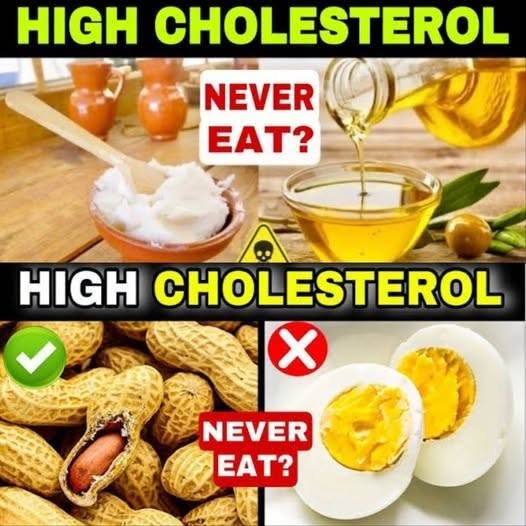
High cholesterol often has no obvious symptoms, which is why it can be easy to ignore until a routine blood test reveals that LDL cholesterol is higher than recommended. The good news is that everyday food choices can play an important role in cholesterol management.
Rather than thinking of certain foods as permanently “forbidden,” it is more useful to focus on foods that are high in saturated or trans fats and should be limited, while making room for foods rich in soluble fiber and healthier unsaturated fats.
The American Heart Association recommends limiting saturated fat and avoiding trans fat, while emphasizing vegetables, fruits, whole grains, beans, nuts, seeds, fish, and lean proteins.
Here are 9 foods to limit if you’re trying to improve your cholesterol profile, followed by 5 nutritious foods to include more often.
First: What Is the Main Cholesterol Concern?
When people talk about “high cholesterol,” they are often particularly concerned about LDL cholesterol, sometimes called “bad” cholesterol.
High LDL can contribute to plaque buildup in the arteries, increasing cardiovascular risk over time. Diet is one factor, but cholesterol levels can also be influenced by genetics, physical activity, body weight, medical conditions, and certain medications.
That means changing your diet is valuable, but it isn’t always enough by itself. Some people with high cholesterol need medication in addition to lifestyle changes.
9 Foods to Limit With High Cholesterol
1. Fatty Cuts of Red Meat
Fatty beef, lamb, and other high-fat cuts of red meat can contain substantial amounts of saturated fat.
Eating a diet high in saturated fat can raise LDL cholesterol. If you enjoy meat, choose leaner cuts and trim visible fat.
Better choices include:
- Lean beef
- Skinless chicken
- Turkey
- Fish
- Beans and lentils
The goal isn’t necessarily to eliminate meat completely, but to make lower-saturated-fat choices more often.
2. Processed Meats
Processed meats such as sausages, bacon, salami, hot dogs, and similar products can be high in saturated fat and sodium.
For heart health, the American Heart Association recommends limiting processed meats and choosing leaner protein sources instead.
Try replacing processed meat with:
- Grilled chicken
- Fish
- Lentils
- Chickpeas
- Beans
- Tofu
3. Butter and Ghee
Butter and ghee are concentrated sources of saturated fat.
Using large amounts regularly can make it difficult to keep saturated-fat intake low.
Instead, consider using smaller amounts of liquid plant oils such as olive, canola, soybean, or sunflower oil when appropriate. Replacing saturated fats with unsaturated fats can help improve the cholesterol profile.
4. Full-Fat Dairy Products
Whole milk, heavy cream, full-fat cheese, and ice cream can contribute significant amounts of saturated fat.
You don’t necessarily have to eliminate dairy. Lower-fat options can provide many of the same nutrients with less saturated fat.
Consider:
- Low-fat milk
- Fat-free milk
- Low-fat yogurt
- Reduced-fat cheese
- Plain Greek yogurt
The best choice depends on your overall diet and nutritional needs.
5. Deep-Fried Foods
Fried chicken, french fries, fried snacks, and other deep-fried foods can be high in unhealthy fats depending on the ingredients and cooking oil.
Frequent consumption can also make it easier to consume excess calories.
Instead, try:
- Baking
- Air frying
- Grilling
- Roasting
- Broiling
These cooking methods can reduce the amount of added fat needed.
6. Commercial Baked Goods
Some commercially prepared cakes, pastries, cookies, doughnuts, and packaged desserts can contain substantial amounts of saturated fat.
Some products may also contain partially hydrogenated oils, although industrial trans fats have been substantially reduced in many food supplies.
Always check the ingredient list and nutrition label when buying packaged foods.
7. Foods Made With Coconut or Palm Oil
Coconut oil and palm oil are plant-derived, but that doesn’t automatically make them low in saturated fat.
Both coconut and palm oils contain significant saturated fat, which can raise LDL cholesterol.
For everyday cooking, liquid nontropical plant oils such as olive or canola oil can be useful alternatives.
8. Fatty Fast Food and Restaurant Meals
Burgers, creamy sauces, fried foods, loaded pizzas, and other restaurant meals can contain large amounts of saturated fat.
The issue is often the combination of:
- Fatty meat
- Cheese
- Butter
- Creamy sauces
- Fried ingredients
- Large portions
When eating out, look for grilled, baked, or roasted options and ask for creamy sauces or dressings on the side.
9. Highly Processed Foods High in Saturated Fat
Not every processed food is unhealthy, but many ultra-processed foods can contain substantial amounts of saturated fat, added sugar, and sodium.
Examples can include certain packaged snacks, frozen meals, desserts, and convenience foods.
Instead of judging a food solely by whether it is “processed,” check the nutrition label and choose products with less saturated fat, added sugar, and sodium.
5 Foods That Can Support Healthier Cholesterol Levels
The following foods don’t magically “flush cholesterol out” or replace medication. Instead, they provide nutrients and dietary components that can support a heart-healthy eating pattern.
1. Oats and Other Whole Grains
Oats are particularly useful because they contain soluble fiber.
Soluble fiber can help reduce cholesterol absorption in the digestive tract. Increasing soluble fiber is a recognized component of cholesterol-lowering dietary approaches.
Good choices include:
- Oatmeal
- Oat bran
- Barley
- Whole-grain cereals
- Whole-grain breads
Try starting your day with oatmeal topped with berries and a small handful of nuts.
2. Beans and Lentils
Beans, chickpeas, peas, and lentils provide fiber and plant-based protein while generally being low in saturated fat.
They can replace some higher-saturated-fat meats in meals.
Try adding:
- Lentil soup
- Chickpea salad
- Black beans
- Kidney beans
- Bean-based curries
- Lentil stews
NHLBI and the American Heart Association both include beans and legumes among heart-healthy food choices.
3. Nuts and Seeds
Almonds, walnuts, pistachios, and other nuts provide unsaturated fats, fiber, and plant protein.
Choose mostly unsalted nuts and pay attention to portions because nuts are calorie-dense.
A small handful can make a satisfying snack or topping for oatmeal and salads.
4. Fatty Fish
Salmon, trout, herring, and similar fish provide unsaturated fats, including omega-3 fatty acids.
Replacing some fatty meats with fish can help create a lower-saturated-fat eating pattern.
Good cooking methods include:
- Baking
- Grilling
- Broiling
- Steaming
The American Heart Association specifically recommends fish as part of a heart-healthy diet.
5. Fruits and Vegetables
Fruits and vegetables provide fiber, vitamins, minerals, and other beneficial plant compounds.
Examples include:
- Apples
- Berries
- Oranges
- Pears
- Carrots
- Broccoli
- Okra
- Eggplant
- Leafy greens
Whole fruit is generally a better everyday choice than fruit juice because it retains its fiber.
A simple goal is to add vegetables to lunch and dinner while choosing whole fruit for snacks.
The Most Important Swap
One of the most useful cholesterol-friendly strategies is not simply asking:
“What should I stop eating?”
Instead, ask:
“What can I replace it with?”
For example:
| Instead of | Try |
|---|---|
| Butter | Olive or canola oil |
| Fatty beef | Lean meat or beans |
| Processed meat | Fish, chicken, or lentils |
| Whole milk | Low-fat milk |
| Creamy sauce | Tomato-based or vegetable-based sauce |
| Fried chicken | Grilled or baked chicken |
| Pastries | Oatmeal with fruit |
| Chips | Unsalted nuts or fresh fruit |
| Refined grains | Whole grains |
Replacing saturated fats with unsaturated fats is particularly important because the type of fat matters, not simply the total amount of fat.
What About Eggs?
Eggs often receive a lot of attention in cholesterol discussions.
Dietary cholesterol and blood cholesterol are not exactly the same thing. For many people, the bigger dietary concern is the overall pattern—particularly saturated and trans fats.
How eggs fit into your diet can depend on your individual health profile and what you eat with them. Someone eating eggs with vegetables and whole grains has a very different overall dietary pattern from someone eating them alongside large amounts of processed meat, butter, and refined foods.
If you have been diagnosed with high cholesterol or cardiovascular disease, discuss your individual dietary needs with your healthcare professional.
What About Cheese?
You don’t necessarily need to eliminate cheese completely.
The main issue is that many full-fat cheeses are relatively high in saturated fat. Smaller portions or lower-fat varieties can make it easier to keep saturated-fat intake under control.
Try using a smaller amount of strongly flavored cheese rather than a large amount of mild cheese.
Can You Still Eat Dessert?
Yes.
Having high cholesterol doesn’t mean you can never enjoy cake, cookies, or other desserts.
The important issue is the overall dietary pattern and frequency.
Consider:
- Smaller portions
- Fruit-based desserts
- Oat-based desserts
- Lower-fat dairy ingredients
- Using unsaturated oils where appropriate
- Enjoying rich desserts occasionally rather than every day
A heart-healthy diet should be realistic enough to maintain over time.
Other Habits That Matter
Food is only one part of cholesterol management.
Regular physical activity can help improve cholesterol levels, and maintaining a healthy weight can also be beneficial. Avoiding tobacco and managing blood pressure and blood sugar are important for cardiovascular health as well.
For many adults, regular physical activity is recommended as part of a heart-healthy lifestyle.
Sleep also matters. The American Heart Association recommends prioritizing 7–9 hours of restful sleep for adults.
What If Diet Doesn’t Lower My Cholesterol Enough?
This is important: high cholesterol isn’t always caused by food alone.
Genetics, certain medical conditions, medications, and other factors can contribute to high LDL cholesterol.
Some people therefore need cholesterol-lowering medication even when they eat a healthy diet.
If your doctor has prescribed a statin or another cholesterol-lowering medicine, don’t stop or change it simply because you’ve changed your diet.
Diet and medication can sometimes work together as part of an individualized treatment plan.
A Simple One-Day Cholesterol-Friendly Menu
Breakfast
Oatmeal topped with berries, walnuts, and a small amount of cinnamon.
Lunch
Lentil soup with a large vegetable salad and whole-grain bread.
Snack
An apple with a small handful of unsalted almonds.
Dinner
Baked salmon with roasted vegetables and brown rice.
Dessert
Fresh berries with plain low-fat yogurt.
This type of menu emphasizes soluble fiber, whole grains, vegetables, fruit, legumes, nuts, and unsaturated fats while keeping saturated fat relatively low.
Final Thoughts
There are no universally “forbidden” foods that every person with high cholesterol must completely eliminate. A more useful approach is to limit foods high in saturated and trans fats and replace them with foods rich in fiber and unsaturated fats.
The nine foods discussed above—especially fatty meats, processed meats, butter, full-fat dairy, fried foods, and many highly processed foods—are worth limiting when you’re trying to improve your cholesterol profile.
At the same time, foods such as oats, beans, nuts, fatty fish, fruits, and vegetables can become regular parts of a heart-conscious eating pattern.
Small substitutions can add up. Swapping butter for a healthier plant oil, choosing beans instead of processed meat, eating oats instead of refined breakfast foods, and choosing baked fish instead of fried meat can make your everyday diet more supportive of healthy cholesterol levels.
Most importantly, remember that cholesterol management is individual. If your LDL is significantly elevated, you have a strong family history of high cholesterol or early heart disease, or you have other cardiovascular risk factors, work with your healthcare professional rather than relying on food changes alone.
SEO Title
9 Foods to Avoid or Limit for High Cholesterol + 5 Foods That May Help Lower LDL
Meta Description
Learn 9 foods to limit when you have high cholesterol and 5 nutritious foods that can support healthier LDL levels, including oats, beans, nuts, fish, fruits, and vegetables.