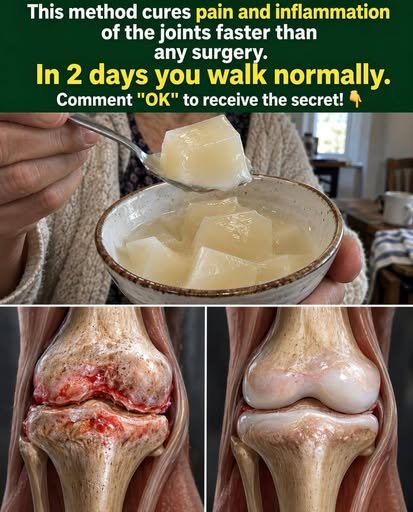
Joint pain can make everyday activities feel surprisingly difficult. Getting out of bed, climbing stairs, standing for long periods, or simply taking a walk can become uncomfortable when your joints are stiff, irritated, or swollen.
Because of this, many people search for quick home remedies that promise dramatic results in just a day or two. But while some approaches may help reduce discomfort, there is no single home treatment that can reliably eliminate joint pain faster than surgery or guarantee that someone will walk normally within two days.
The good news is that several simple habits may help support joint comfort and mobility, particularly when pain is related to temporary inflammation, overuse, or stiffness.
Why Do Joints Hurt?
Joint pain can have many different causes. Common possibilities include:
- Osteoarthritis
- Rheumatoid arthritis
- Muscle or tendon strain
- Previous injuries
- Overuse
- Bursitis
- Gout
- Infections or other medical conditions
The appropriate treatment depends on the underlying cause. That’s why persistent or severe joint pain shouldn’t simply be treated with a home remedy without determining what is causing it.
A Gentle Daily Approach for Joint Comfort
One of the simplest strategies is to combine gentle movement, appropriate rest, and healthy nutrition rather than relying on a single miracle treatment.
1. Start With Gentle Movement
When a joint is stiff, completely avoiding movement can sometimes make stiffness worse.
Try gentle activities such as:
- Short walks
- Slow stretching
- Range-of-motion exercises
- Gentle cycling
- Water-based exercise
The goal isn’t to push through severe pain. Movement should be comfortable and controlled.
2. Use Heat or Cold Appropriately
Heat can be soothing when joints feel stiff, particularly in the morning. A warm shower or heating pad may help relax surrounding muscles and improve comfort.
Cold packs can be useful after activity when a joint feels swollen or irritated.
Never place ice directly against bare skin, and avoid prolonged heating.
3. Focus on an Anti-Inflammatory Eating Pattern
Food cannot instantly remove joint inflammation, but a balanced diet rich in nutrient-dense foods may support overall health.
Consider regularly including:
- Fatty fish such as salmon and sardines
- Berries
- Leafy green vegetables
- Extra-virgin olive oil
- Nuts and seeds
- Beans and lentils
- Whole grains
- Colorful vegetables
These foods provide nutrients and compounds associated with healthier dietary patterns.
4. Stay Hydrated
Adequate fluid intake supports normal body functions and may be particularly helpful when dehydration contributes to feelings of fatigue or poor physical performance.
Water should generally be your main beverage.
5. Pay Attention to Your Body Weight
For weight-bearing joints such as the knees and hips, maintaining a healthy weight can reduce mechanical stress on the joints.
Even gradual, sustainable weight management may be more useful than extreme short-term diets.
What About a Two-Day Recovery?
Some minor stiffness or temporary soreness may improve considerably within a couple of days, particularly after rest and a reduction in the activity that caused it.
However, there is no reliable treatment that can promise normal walking in two days for everyone.
Severe arthritis, a significant injury, gout, infection, or another underlying condition may require medical evaluation and specific treatment.
The important question isn’t simply how quickly the pain disappears. It’s why the joint hurts in the first place.
When Joint Pain Needs Medical Attention
Don’t rely solely on home treatment if you experience:
- Severe or rapidly worsening pain
- A joint that is very swollen, hot, or red
- Fever accompanying joint pain
- Inability to put weight on a joint
- A significant injury or fall
- Sudden severe pain
- Persistent pain that doesn’t improve
- Repeated episodes of joint swelling
A healthcare professional can assess the symptoms and determine whether further testing or treatment is needed.
Can Surgery Be Avoided?
Sometimes joint problems can be managed with nonsurgical approaches such as exercise, physical therapy, weight management, medications, injections, or other treatments.
However, whether surgery is appropriate depends entirely on the condition and its severity.
Surgery should not be compared with a home remedy as though one universally works faster than the other. They are used for different circumstances, and some conditions require medical or surgical treatment.
A More Realistic Goal
Instead of looking for a treatment that promises to “cure” joint pain overnight, aim for gradual improvements in:
- Mobility
- Strength
- Flexibility
- Daily comfort
- Physical activity
- Overall joint health
A combination of appropriate movement, rest, nutrition, and professional care when needed is much more realistic than a guaranteed two-day transformation.
Final Thoughts
Joint pain can be frustrating, especially when it interferes with walking and everyday activities. While simple measures such as gentle movement, heat or cold, a balanced diet, and healthy weight management may help some people feel more comfortable, there is no universal home method that can guarantee pain-free walking within two days or outperform every surgical treatment.
If your joint pain is severe, persistent, swollen, or accompanied by other concerning symptoms, finding the underlying cause is the most important step. Once the cause is understood, you can choose an appropriate treatment plan rather than relying on an unrealistic quick fix.
SEO Title: Simple Ways to Ease Joint Pain and Inflammation Naturally
Meta Description: Discover practical, evidence-informed ways to support joint comfort, including gentle movement, heat and cold, healthy foods, hydration, and when to seek medical care.