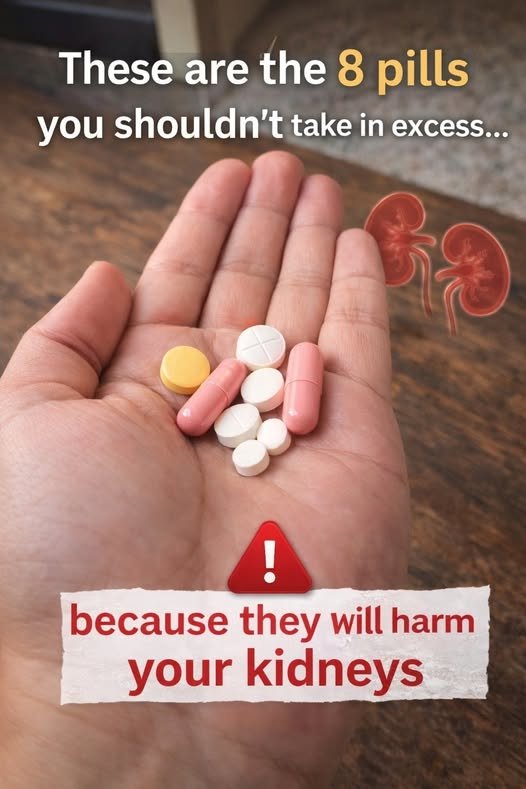
Your kidneys work continuously to filter waste from your blood, balance fluids and electrolytes, and help regulate blood pressure. Because many medications are processed by the kidneys or can affect blood flow to them, taking certain medicines too frequently, in excessive doses, or without medical guidance can increase the risk of kidney problems.
This does not mean you should stop a prescribed medication. In many cases, these medicines are safe and beneficial when used at the recommended dose. The concern is unnecessary, excessive, or prolonged use, especially in people who already have kidney disease, dehydration, heart failure, or other medical conditions.
Here are eight medication groups worth discussing with a healthcare professional if you use them regularly.
1. Ibuprofen and Other NSAID Painkillers
Nonsteroidal anti-inflammatory drugs (NSAIDs), including ibuprofen and naproxen, are commonly used for headaches, muscle pain, arthritis, and inflammation.
Taking high doses or using NSAIDs frequently can reduce blood flow to the kidneys and, in some people, contribute to acute kidney injury. The risk can be greater when someone is dehydrated or already has impaired kidney function.
If you need pain relief regularly, ask your healthcare professional which option is safest for you.
2. Aspirin in High Doses
Low-dose aspirin is prescribed to certain people for cardiovascular reasons, while higher doses may be used for pain or inflammation.
However, aspirin and other NSAIDs can affect kidney function when taken in excessive amounts or for prolonged periods. Do not stop prescribed low-dose aspirin without speaking with your doctor, particularly if it was recommended to reduce your cardiovascular risk.
3. Acetaminophen (Paracetamol) When Overused
Acetaminophen, also known as paracetamol, is widely used for pain and fever and is generally considered safer for the kidneys than NSAIDs when taken appropriately.
The major concern is exceeding the recommended dose, particularly because acetaminophen is found in many combination cold, flu, and pain products. Excessive amounts can cause serious liver damage and may also complicate kidney health.
Always check the active ingredients on combination medications to avoid accidentally taking more than intended.
4. Certain Antacids and Laxatives
Some products used for heartburn, indigestion, or constipation contain magnesium, aluminum, or other minerals that can accumulate when kidney function is significantly reduced.
People with chronic kidney disease should not assume that an over-the-counter antacid or laxative is automatically safe. Ask a healthcare professional or pharmacist to check the ingredients and recommend an appropriate product.
5. Some Antibiotics
Certain antibiotics can affect the kidneys, particularly in people with existing kidney disease or when high doses are required.
This doesn’t mean you should avoid antibiotics when they are medically necessary. Instead, they should be taken only as prescribed, and the dose may need to be adjusted according to kidney function.
Never use leftover antibiotics or take antibiotics prescribed for someone else.
6. Some Diuretics
Diuretics, sometimes called “water pills,” are frequently prescribed for conditions such as high blood pressure and heart failure.
They can be extremely useful, but excessive fluid loss can contribute to dehydration and changes in electrolytes. Some people may also require dose adjustments based on kidney function.
If you take a diuretic, follow your prescribed dose rather than increasing or reducing it yourself.
7. Certain Proton Pump Inhibitors
Proton pump inhibitors (PPIs), such as omeprazole and similar medicines, are commonly used to treat acid reflux and ulcers.
They are effective for many patients, but prolonged use has been associated with certain kidney-related problems, including acute interstitial nephritis and, in some studies, an association with chronic kidney disease.
If you’ve been taking a PPI for a long time, don’t suddenly stop it without medical advice. Instead, ask whether you still need it and whether your treatment should be reviewed.
8. Some Medicines Used for Blood Pressure and Other Conditions
Certain medications, including ACE inhibitors and ARBs, can change kidney blood flow and affect kidney function.
Importantly, these medicines are not simply “bad for the kidneys.” In fact, they are often prescribed specifically because they can protect the kidneys in people with conditions such as high blood pressure or diabetes.
However, kidney function and potassium levels may need to be monitored, particularly after starting treatment or changing the dose.
Who Should Be Especially Careful?
Medication-related kidney problems are more likely in some people, including those who:
- Already have chronic kidney disease
- Are dehydrated or experiencing severe vomiting or diarrhea
- Are older adults
- Have heart failure
- Have diabetes or poorly controlled blood pressure
- Take several medications at the same time
- Regularly use over-the-counter painkillers
Warning Signs You Shouldn’t Ignore
Kidney problems don’t always cause obvious symptoms in the early stages. However, seek medical attention if you develop symptoms such as significantly reduced urination, swelling, unusual fatigue, persistent nausea or vomiting, confusion, shortness of breath, or sudden changes in your health, particularly after starting or increasing a medication.
How to Protect Your Kidneys
The safest approach isn’t to avoid medications altogether. Instead:
Take medicines exactly as directed.
Avoid taking higher doses simply because a normal dose isn’t providing immediate relief. Tell your doctor or pharmacist about every prescription medicine, over-the-counter product, vitamin, and supplement you use.
If you regularly need painkillers or other over-the-counter medicines, ask whether long-term use is appropriate for you.
And if you have kidney disease, make sure your healthcare team knows about it before you start a new medication.
Final Takeaway
Your kidneys can be affected by certain medications, particularly when they are taken in excessive amounts, used unnecessarily, or combined with dehydration and other risk factors.
But don’t stop a prescribed medication simply because you’ve read that it can affect the kidneys. Some medicines that require kidney monitoring can actually be essential for protecting your health.
The right dose, the right medication, and appropriate medical monitoring are far safer than stopping treatment on your own.