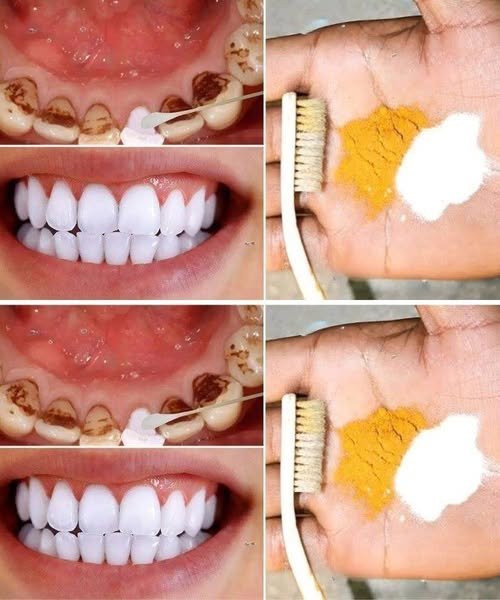
Home Teeth Whitening: What Can Really Make Your Teeth Look Whiter?
A bright smile can make you feel more confident, but many viral “2-minute whitening” tricks are either temporary or too abrasive for regular use. The good news is that there are safer ways to improve the appearance of stained teeth at home.
Can You Really Whiten Teeth in 2 Minutes?
Not in the sense of dramatically changing the natural color of your teeth.
Brushing your teeth for two minutes can remove some surface plaque and food stains, which may make your smile look cleaner and slightly brighter. However, deeper discoloration usually requires consistent whitening treatment over time.
The natural color of teeth also varies from person to person, so perfectly white teeth aren’t necessarily a realistic or healthy goal.
A Simple 2-Minute Routine for a Cleaner-Looking Smile
1. Brush for Two Minutes
Use a soft-bristled toothbrush and fluoride toothpaste. Brush gently along the front, back, and chewing surfaces of your teeth.
Avoid aggressive scrubbing. Excessive pressure can contribute to enamel wear and gum irritation.
2. Clean Between Your Teeth
Floss or use an interdental cleaner to remove plaque and food particles between the teeth. These areas can make a smile appear less clean even when the visible surfaces have been brushed.
3. Rinse
Rinse your mouth with water after brushing, particularly if you’ve recently eaten or consumed staining beverages.
What About Baking Soda and Lemon?
This is one of the most common viral whitening suggestions, but lemon juice is not a good DIY whitening treatment.
Lemon is highly acidic and frequent exposure can contribute to enamel erosion. Baking soda is abrasive, and excessive use can also damage or irritate the teeth and gums.
Avoid scrubbing your teeth with combinations such as lemon, vinegar, salt, or other acidic household ingredients.
What Actually Helps With Tooth Whitening?
For genuine whitening, look for dentist-recommended or appropriately formulated whitening products. Whitening toothpastes can help remove some surface stains, while peroxide-based whitening products can lighten certain types of discoloration when used according to their instructions.
Professional whitening performed or supervised by a dentist can provide a stronger and more predictable result.
Foods and Drinks That Can Stain Teeth
Frequent consumption of certain foods and drinks can contribute to surface staining, including:
- Coffee
- Tea
- Red wine
- Cola and other dark-colored drinks
- Tobacco products
- Dark sauces and strongly pigmented foods
You don’t necessarily have to eliminate these foods. Good oral hygiene and rinsing with water afterward can help reduce staining.
When Whitening May Not Work
Whitening products don’t work equally well on every type of discoloration. Yellowish surface stains may respond better than some gray, brown, or internal discoloration.
Whitening also doesn’t change the color of crowns, veneers, fillings, or other dental restorations.
If you have significant discoloration, tooth sensitivity, cavities, gum problems, or a single tooth that has suddenly changed color, it’s better to speak with a dentist before trying whitening products.
The Bottom Line
A two-minute brushing routine can make your teeth look cleaner, but it won’t dramatically whiten them overnight. For safer, noticeable whitening, focus on consistent oral hygiene and use proven whitening products as directed rather than relying on acidic or abrasive DIY remedies.
A brighter smile doesn’t have to mean damaging your enamel to get there.