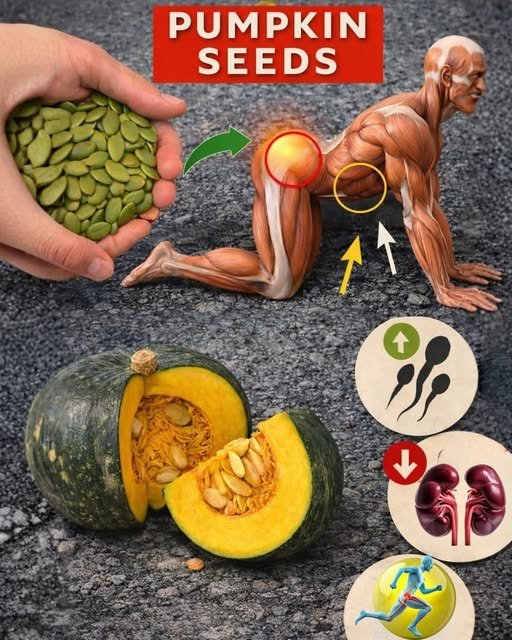
Pumpkin seeds may be small, but they are packed with nutrients. Adding a modest serving to your daily diet can provide protein, healthy fats, fiber, magnesium, zinc, iron, and other important nutrients.
They aren’t a miracle food, but regularly eating pumpkin seeds can be a nutritious addition to an otherwise balanced diet.
1. You Get More Magnesium
Pumpkin seeds are particularly rich in magnesium, a mineral involved in hundreds of processes in the body.
Magnesium contributes to normal muscle and nerve function, energy production, and maintaining healthy bones.
Including pumpkin seeds alongside other magnesium-rich foods can help you meet your daily nutritional needs.
2. They Provide Plant-Based Protein
Pumpkin seeds contain a useful amount of protein, making them an easy addition to meals and snacks.
Sprinkle them over oatmeal, yogurt, salads, soups, or roasted vegetables for extra protein and texture.
3. They Provide Healthy Fats
Pumpkin seeds contain mostly unsaturated fats, including polyunsaturated and monounsaturated fats.
Replacing some foods high in saturated fat with sources of unsaturated fats can be part of a heart-friendly eating pattern.
4. They Add Zinc to Your Diet
Zinc supports normal immune function, wound healing, and many other processes in the body.
Pumpkin seeds are a convenient plant-based source of zinc, although the amount your body absorbs can vary.
5. They Can Support Digestive Health
Whole pumpkin seeds contain dietary fiber, which contributes to healthy digestion and regular bowel movements.
If you’re increasing your fiber intake, do so gradually and drink enough fluids to reduce the likelihood of digestive discomfort.
6. They Can Help Make Meals More Satisfying
The combination of protein, fat, and fiber in pumpkin seeds can make a snack or meal more filling.
This may help you feel satisfied between meals, although pumpkin seeds are also relatively calorie-dense. Eating large quantities won’t automatically lead to weight loss.
7. They Contain Antioxidant Compounds
Pumpkin seeds contain various plant compounds and antioxidants.
Antioxidants help protect cells from oxidative damage as part of the body’s normal defense systems. However, it’s better to get antioxidants from a variety of foods rather than relying on one particular ingredient.
How Many Pumpkin Seeds Should You Eat?
A small handful—around 1 ounce (28 grams)—is a practical serving for most people.
You can eat them raw, roasted, unsalted, or add them to everyday meals.
Because they are energy-dense, portion size matters if you’re watching your overall calorie intake.
Easy Ways to Eat Pumpkin Seeds
Try adding them to:
- Oatmeal or overnight oats
- Greek yogurt
- Salads
- Smoothies
- Homemade granola
- Soups
- Roasted vegetables
- Trail mix
- Whole-grain cereal
Choose unsalted or lightly salted varieties if you’re trying to reduce sodium intake.
What About Pumpkin Seeds Before Bed?
Pumpkin seeds are sometimes promoted as a natural sleep remedy because they contain magnesium and other nutrients.
While a nutritious diet that provides adequate magnesium is important for overall health, eating pumpkin seeds before bed is not a guaranteed treatment for insomnia or poor sleep.
If you enjoy them as an evening snack, a small portion can certainly fit into a balanced diet.
The Bottom Line
Eating pumpkin seeds regularly can be an easy way to add magnesium, zinc, protein, healthy fats, fiber, and other nutrients to your diet.
But you don’t need to eat huge amounts or expect dramatic overnight changes. Their benefits come from being part of an overall nutritious eating pattern.
A small handful each day can be a simple, tasty addition to a healthy diet.