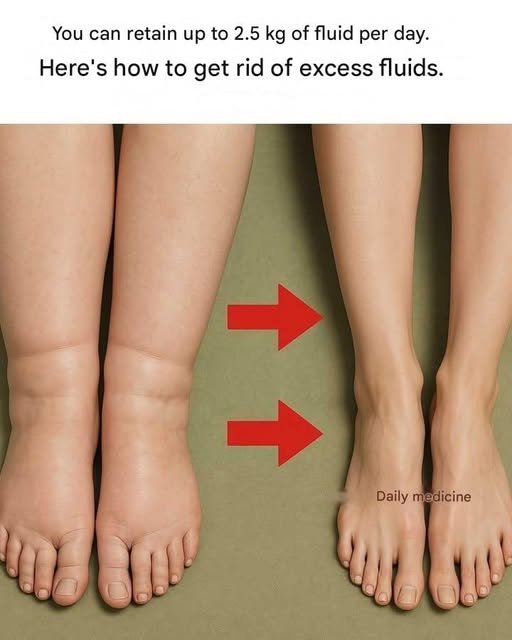
Have you ever stepped on the scale and noticed your weight suddenly increase by a few pounds? Sometimes, the change isn’t body fat at all. Your body can temporarily hold extra water, causing puffiness, swelling, bloating, or a higher number on the scale.
The important thing is to understand why fluid is being retained rather than trying to force your body to lose water quickly.
What Causes Temporary Water Retention?
Several everyday factors can contribute to short-term fluid retention, including:
- Eating a high-sodium meal
- Sitting or standing for long periods
- Hormonal changes
- Eating more carbohydrates than usual
- Hot weather
- Certain medications
- Dehydration
- Some underlying medical conditions
A sudden change in scale weight can therefore reflect water, food, and glycogen changes—not necessarily fat gain.
1. Cut Back on Excess Sodium
Sodium causes the body to retain more water. If you’ve been eating lots of processed foods, instant meals, salty snacks, sauces, or restaurant food, reducing your sodium intake may help your body return to its usual fluid balance.
Choose fresh foods more often and taste your food before automatically adding extra salt.
2. Drink Enough Water
It may seem strange to drink water when you’re retaining fluid, but deliberately dehydrating yourself is not a safe solution.
Drink regularly according to your thirst and normal needs. Your body needs adequate hydration to maintain its fluid balance.
3. Eat More Potassium-Rich Foods
Potassium helps regulate fluid and sodium balance in the body.
Foods containing potassium include:
- Bananas
- Potatoes
- Beans and lentils
- Spinach
- Avocado
- Yogurt
- Tomatoes
- Oranges
If you have kidney disease or have been told to restrict potassium, speak with your healthcare professional before deliberately increasing potassium-rich foods.
4. Move Your Body
Gentle movement can support normal circulation, particularly if you’ve spent much of the day sitting.
Walking, stretching, and regular physical activity can be helpful for reducing the feeling of heaviness or puffiness associated with prolonged inactivity.
5. Limit Highly Processed Foods
Many packaged foods contain substantial amounts of sodium. Replacing some processed foods with fresh vegetables, fruits, whole grains, beans, eggs, fish, or lean meats can make it easier to manage sodium intake.
Don’t Try to “Flush” Water Out Quickly
Avoid extreme water restriction, excessive sweating, unnecessary diuretics, or so-called detox drinks designed to make you urinate repeatedly.
Rapid fluid loss can cause dehydration and electrolyte disturbances and may be particularly dangerous for people taking certain medications or living with heart, kidney, or liver problems.
When Swelling Needs Medical Attention
Fluid retention isn’t always harmless. Seek medical advice if swelling is persistent, unexplained, severe, or repeatedly returning.
Get urgent medical attention if swelling occurs with difficulty breathing, chest pain, sudden severe swelling, fainting, or other serious symptoms.
The Bottom Line
A temporary increase of several pounds can sometimes be caused by water retention rather than fat gain. The safest approach is not to force the body to lose fluid, but to support normal fluid balance through reasonable sodium intake, adequate hydration, nutritious food, and regular movement.
If the swelling is persistent or significant, the underlying cause should be evaluated rather than treated simply as “water weight.”