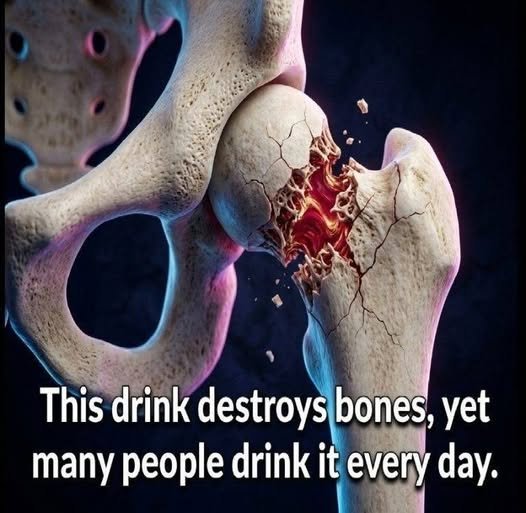
Your bones are living tissue that constantly changes throughout your life. Getting enough calcium, vitamin D, protein, and regular weight-bearing exercise can help maintain strong bones. At the same time, some drinking habits may work against good bone health, particularly when certain beverages are consumed frequently or in large amounts.
Here are five types of drinks worth limiting if you want to protect your bones.
1. Cola and Other Sugary Soft Drinks
Cola is one of the beverages most often discussed in relation to bone health. Some studies have found an association between frequent cola consumption and lower bone mineral density, although this does not prove that cola directly causes osteoporosis.
The concern may involve several factors, including caffeine, phosphoric acid, added sugar, and the possibility that soft drinks replace calcium-rich beverages such as milk.
A large review also found an association between high consumption of sugar-sweetened beverages and lower bone mineral density.
Better choice: Water, milk, or calcium-fortified beverages.
2. Alcoholic Drinks
Heavy alcohol consumption can negatively affect bone health and is an established risk factor for osteoporosis. Excessive alcohol may interfere with calcium balance and other processes involved in maintaining healthy bones.
Alcohol can also increase the risk of falls, which can be particularly dangerous for people who already have fragile bones.
Better choice: Keep alcohol consumption low or avoid it altogether.
3. High-Caffeine Energy Drinks
Energy drinks can contain substantial amounts of caffeine and are often loaded with added sugar.
High caffeine intake may slightly reduce calcium absorption and increase calcium loss through urine. Bone Health & Osteoporosis Foundation recommends consuming caffeinated beverages in moderation.
The concern is greater when large amounts of caffeine replace nutritious drinks or when a person’s overall calcium intake is low.
Better choice: Water, milk, or a lower-caffeine beverage.
4. Excessive Coffee
Coffee does not need to be completely eliminated for healthy bones. Moderate consumption is generally not considered a major bone-health problem.
However, very high caffeine intake may interfere with calcium absorption. The Bone Health & Osteoporosis Foundation notes that drinking more than about three cups of coffee daily may contribute to problems with calcium absorption and bone health.
Adding milk can provide calcium, but it doesn’t make unlimited coffee a good idea.
Better choice: Keep coffee moderate and make sure your overall diet provides enough calcium.
5. Highly Sugary Drinks
Sweetened fruit drinks, sweet teas, flavored beverages, and other sugar-sweetened drinks can add large amounts of sugar without providing much nutritional value.
Frequent consumption of sugar-sweetened beverages has been associated with lower bone mineral density in research. However, the relationship is complex, and these drinks should not be described as a direct cause of osteoporosis.
Replacing these beverages with water or calcium-rich drinks can improve the overall nutritional quality of your diet.
Better choice: Water, unsweetened tea, or milk.
What About Carbonation?
A common misconception is that the bubbles in carbonated drinks automatically weaken your bones.
According to the Bone Health & Osteoporosis Foundation, carbonation itself does not appear to harm bones. The concern surrounding certain soft drinks is more related to their ingredients, caffeine content, nutritional displacement, and overall dietary patterns.
So, sparkling water is not the same thing as drinking large amounts of sugary cola.
What Should You Drink for Stronger Bones?
Instead of focusing only on what to avoid, consider what you can add to your daily routine.
Good options include:
- Water
- Milk
- Calcium-fortified beverages
- Unsweetened tea
- Nutrient-rich smoothies
- Water with fresh fruit for flavor
Getting adequate calcium and vitamin D, staying physically active, and performing weight-bearing or resistance exercise are important parts of maintaining healthy bones.
The Bottom Line
You don’t have to fear every cup of coffee or every carbonated drink. Bone health is influenced by your overall diet, physical activity, lifestyle, age, genetics, and other health factors.
The beverages most worth limiting are heavy alcohol consumption, excessive caffeine, frequent cola, and high amounts of sugar-sweetened drinks. At the same time, make sure your diet provides enough calcium, vitamin D, and protein to support your bones.
Small changes—such as drinking more water, choosing calcium-rich beverages, limiting sugary soft drinks, and keeping caffeine moderate—can be part of a healthy bone-supporting lifestyle.