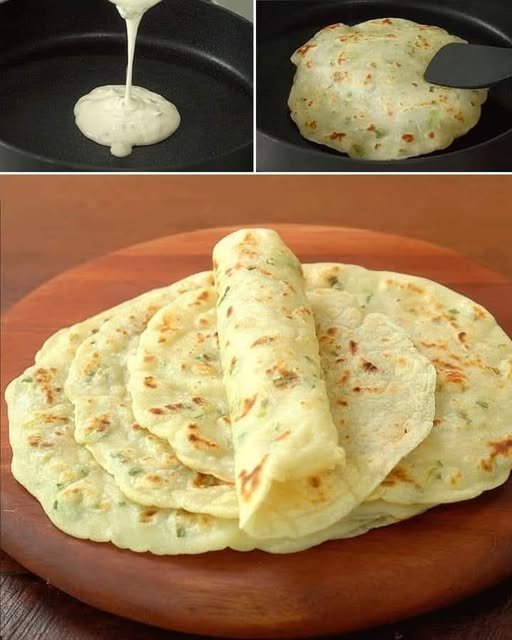
Soft, warm, buttery, and loaded with fresh garlic flavor, this Garlic and Butter Flatbread is an easy homemade bread that goes perfectly with almost any meal. The flatbreads are cooked until lightly golden on the outside while remaining soft and tender inside, then brushed generously with garlic butter while they’re still warm.
They’re wonderful served alongside soups, curries, grilled meats, pasta, roasted vegetables, or simply enjoyed on their own as a quick snack.
The dough requires only a few basic ingredients, and you don’t need a special oven or complicated equipment. A hot skillet is all you need to create delicious homemade flatbread right in your kitchen.
Why You’ll Love This Recipe
- Soft and tender texture
- Rich garlic-butter flavor
- Simple ingredients
- No special equipment required
- Cooked in a skillet
- Perfect with curries, soups, and grilled foods
- Great for dipping
- Easy enough for beginners
- Delicious served warm
Ingredients
For the Flatbread Dough
- 3 cups all-purpose flour
- 1 teaspoon salt
- 1 teaspoon sugar
- 1 teaspoon baking powder
- ¾ cup warm water
- ½ cup plain yogurt
- 2 tablespoons olive oil or melted butter
- 1 teaspoon instant yeast, optional
For the Garlic Butter
- 4 tablespoons unsalted butter
- 4–5 cloves fresh garlic, finely minced
- 2 tablespoons fresh parsley, finely chopped
- ¼ teaspoon salt
- ¼ teaspoon black pepper
- ½ teaspoon dried Italian seasoning, optional
How to Make Garlic and Butter Flatbread
Step 1: Prepare the Dough
Add the flour, salt, sugar, and baking powder to a large mixing bowl.
Whisk the dry ingredients together until evenly combined.
Add the yogurt and olive oil or melted butter.
Slowly pour in the warm water while mixing with a wooden spoon or your hands.
Continue mixing until a soft dough begins to form.
You may not need all of the water, so add it gradually.
The dough should be soft and slightly tacky but shouldn’t be extremely sticky.
Step 2: Knead the Dough
Transfer the dough to a lightly floured work surface.
Knead it for approximately 5–7 minutes until it becomes smooth and elastic.
If the dough feels excessively sticky, add a small amount of flour.
Avoid adding too much flour because it can make the finished flatbread tough.
Shape the dough into a ball.
Step 3: Let the Dough Rest
Place the dough in a lightly oiled bowl.
Cover it with a clean kitchen towel or plastic wrap.
Let it rest for approximately 30 minutes.
This resting period allows the gluten to relax, making the dough much easier to roll.
If you included yeast, allow the dough to rise in a warm place for approximately 1 hour, or until slightly puffy.
Step 4: Prepare the Garlic Butter
While the dough rests, prepare the garlic butter.
Melt the butter in a small saucepan over low heat.
Add the minced garlic.
Cook gently for approximately 30–60 seconds, just until the garlic becomes fragrant.
Don’t brown or burn the garlic because it can become bitter.
Remove the saucepan from the heat.
Stir in the chopped parsley, salt, black pepper, and Italian seasoning if using.
Set aside.
Step 5: Divide the Dough
Once the dough has rested, transfer it to a lightly floured surface.
Divide it into 8 equal portions.
Roll each portion into a smooth ball.
Cover the dough balls with a clean towel while you work so they don’t dry out.
Step 6: Roll the Flatbreads
Take one dough ball and roll it into a thin round or oval shape.
Aim for approximately ⅛–¼ inch thick, depending on how soft and chewy you want the flatbread.
There’s no need to make every flatbread perfectly shaped. The rustic appearance is part of the charm.
Repeat with the remaining dough.
Step 7: Heat the Skillet
Place a large heavy skillet or cast-iron pan over medium-high heat.
Allow it to become properly hot before cooking.
You don’t need to add a lot of oil because the flatbreads will be brushed with garlic butter after cooking.
Step 8: Cook the Flatbread
Place one rolled flatbread into the hot skillet.
Cook for approximately 1–2 minutes, or until bubbles begin to form on the surface and the underside develops golden-brown spots.
Flip the flatbread.
Cook the other side for another 1–2 minutes.
You should see some lightly charred or golden spots.
Don’t overcook the flatbread or it may become dry and brittle.
Step 9: Brush With Garlic Butter
Immediately remove the hot flatbread from the skillet.
Brush the top generously with the prepared garlic butter.
The heat from the bread helps the butter soak into the surface, making it incredibly flavorful.
Repeat with the remaining flatbreads.
For extra garlic flavor, brush each side lightly with garlic butter.
Tips for Soft Flatbread
Don’t Add Too Much Flour
Adding excessive flour while kneading can produce dry, tough flatbread.
The dough should remain soft.
Let the Dough Rest
Don’t skip the resting period. Relaxed dough rolls out much more easily and produces a softer texture.
Keep the Dough Covered
Keep unused dough balls covered with a towel while working. This prevents them from drying out.
Use a Hot Skillet
A properly heated skillet helps the flatbread cook quickly and develop attractive golden spots without drying out.
Don’t Overcook
Flatbread only needs a few minutes per side. Once you see golden spots and the bread is cooked through, remove it from the pan.
How to Make Extra-Garlicky Flatbread
If you love garlic, increase the amount of fresh garlic in the butter.
You can also add a small pinch of garlic powder to the butter for an even stronger flavor.
For an intense garlic finish, brush the flatbread with garlic butter immediately after cooking and then brush it again just before serving.
Delicious Variations
Cheesy Garlic Flatbread
Sprinkle shredded mozzarella or cheddar over the hot flatbread immediately after brushing it with garlic butter.
Cover briefly to allow the cheese to melt.
Herb and Garlic Flatbread
Add fresh cilantro, parsley, basil, or oregano to the garlic butter.
Chili Garlic Flatbread
Add crushed red pepper flakes or a pinch of cayenne pepper to the garlic butter.
Parmesan Garlic Flatbread
Sprinkle freshly grated Parmesan cheese over the hot garlic-butter flatbread.
Sesame Garlic Flatbread
Sprinkle toasted sesame seeds over the garlic butter for a nutty flavor and extra texture.
What to Serve With Garlic Butter Flatbread
This flatbread is incredibly versatile.
Serve it with:
- Chicken curry
- Butter chicken
- Beef stew
- Lentil soup
- Tomato soup
- Creamy pasta
- Grilled chicken
- Grilled steak
- Roasted vegetables
- Hummus
- Tzatziki
- Garlic dip
- Creamy sauces
It’s also delicious simply torn into pieces and dipped into the garlic butter left on the plate.
Make-Ahead Instructions
The dough can be prepared ahead of time.
After kneading, place the covered dough in the refrigerator and allow it to rest overnight.
Take it out of the refrigerator and allow it to sit at room temperature for approximately 30–60 minutes before rolling.
The garlic butter can also be prepared ahead and refrigerated.
Warm it gently before brushing it over the cooked flatbread.
How to Store Leftovers
Allow the flatbreads to cool completely.
Stack them together and place them in an airtight container or resealable bag.
Store at room temperature for approximately 1–2 days or refrigerate for longer storage.
To reheat, place them in a dry skillet over medium heat for a few seconds on each side.
You can also wrap them in foil and warm them in the oven.
Brush with a little additional butter after reheating to restore some of their softness.
Freezing Instructions
Garlic flatbread freezes well.
Allow the cooked flatbreads to cool completely.
Place parchment paper between individual pieces and store them in a freezer-safe bag or container.
Freeze for up to a few months for best quality.
When ready to serve, reheat directly from frozen in a skillet or oven until warmed through.
Add fresh garlic butter after reheating for the best flavor.
Frequently Asked Questions
Can I make this without yeast?
Yes. The baking powder and yogurt help create a soft flatbread even without yeast. The yeast is optional and mainly adds additional flavor and a slightly more bread-like texture.
Why is my flatbread hard?
The most common causes are adding too much flour, rolling the dough too thin, or cooking it for too long.
Keep the dough soft and cook the flatbread quickly over a hot skillet.
Can I use whole wheat flour?
Yes, although whole wheat flour produces a denser and slightly chewier flatbread. For a softer result, replace only part of the all-purpose flour with whole wheat flour.
Can I use dried garlic instead of fresh garlic?
Yes, but fresh garlic provides the strongest and most aromatic flavor. Garlic powder can be used when fresh garlic isn’t available.
Can I make these on a grill?
Yes. A hot grill works beautifully and gives the flatbread a slightly smoky flavor.
Cook until puffed and lightly charred, then brush generously with garlic butter.
Recipe at a Glance
Prep Time: 15 minutes
Resting Time: 30 minutes
Cook Time: 15–20 minutes
Total Time: Approximately 1 hour
Servings: 8 flatbreads
Difficulty: Easy
Final Thoughts
Homemade Garlic and Butter Flatbread is one of the easiest ways to turn a few basic ingredients into something incredibly delicious. The soft, chewy bread develops beautiful golden spots in a hot skillet, while the warm garlic butter melts into every little pocket and adds loads of flavor.
Serve it fresh alongside your favorite curry, soup, grilled meat, or dip—or simply enjoy it warm straight from the skillet. Once you make these homemade flatbreads, you may never want store-bought versions again.