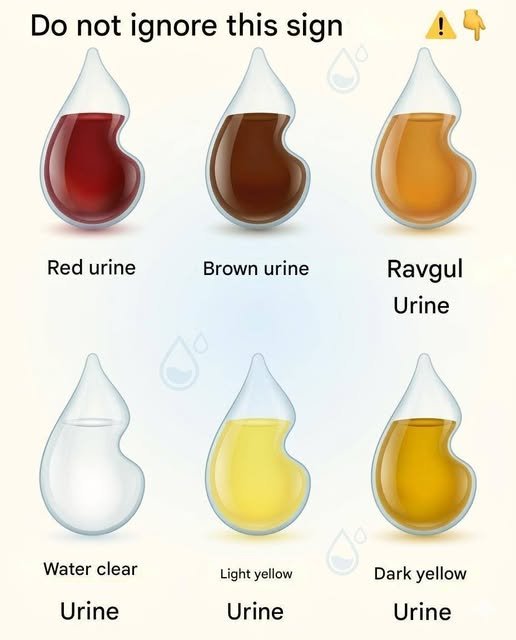
Urine color can provide clues about hydration and sometimes health, but color alone cannot diagnose a medical condition. Normal urine ranges from nearly clear to pale yellow, largely because of a pigment called urochrome.
Urine Color Guide
| Color | What it may mean |
|---|---|
| Clear | You may be drinking more fluid than necessary. Occasionally clear urine is completely normal. |
| Pale yellow | Generally a sign of good hydration. |
| Dark yellow | Often indicates that you need more fluids, especially after sweating or exercise. |
| Amber/orange | Can occur with dehydration, certain medications, or some supplements. Persistent orange urine deserves medical attention. |
| Pink/red | May result from foods such as beets, but can also indicate blood in the urine. If you can’t clearly explain the color by something you ate or took, contact a healthcare professional. |
| Brown/tea-colored | Can occur with significant dehydration, certain medications or foods, or liver/muscle-related problems. Persistent brown urine should be evaluated promptly. |
| Blue/green | Uncommon. Certain medications, dyes, foods, or infections can sometimes cause this color. |
| Cloudy/milky | Can be caused by crystals, dehydration, or other factors, but may sometimes occur with a urinary tract infection or kidney-related problem. |
When Should You Be Concerned?
Seek medical advice if you notice red, pink, dark brown, or unusually cloudy urine that persists, particularly if you also have:
- Burning or pain when urinating
- Fever or chills
- Back or side pain
- Abdominal pain
- A strong or unusual urine odor
- Frequent or urgent urination
- Visible blood or blood clots
- Yellowing of the skin or eyes
The Bottom Line
For most healthy adults, pale yellow urine is a reasonable sign that you’re adequately hydrated. Darker yellow urine commonly means you need more fluids, while unusual or persistent colors shouldn’t be ignored.
Also remember that vitamins, medications, foods, and hydration levels can change urine color, so color should be considered alongside other symptoms rather than used as a diagnosis.