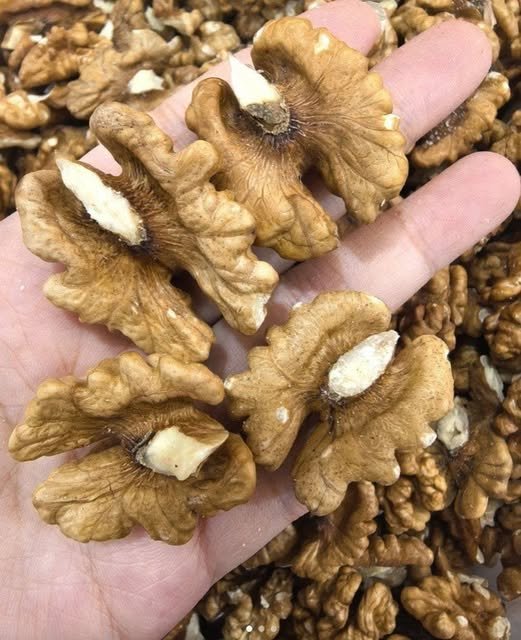
Walnuts are small, but they pack a surprising amount of nutrition. Adding a modest portion to a balanced diet may provide several potential benefits.
What Makes Walnuts Special?
Heart-friendly fats: Walnuts are rich in unsaturated fats, including plant-based omega-3 ALA.
Fiber: They provide dietary fiber, which supports digestive health and contributes to a balanced diet.
Plant compounds: Walnuts contain antioxidants and other beneficial plant compounds.
Protein and minerals: They provide plant-based protein along with nutrients such as magnesium and copper.
How Much Is Enough?
A small handful—around 1 ounce (28 grams)—is a practical serving size for most people.
Try adding walnuts to oatmeal, yogurt, salads, or simply enjoy them as a snack.
A Few Things to Remember
Walnuts are nutritious, but more isn’t necessarily better. They’re calorie-dense, so portions matter if you’re watching your overall calorie intake.
Anyone with a tree-nut allergy should avoid walnuts. If you have a medical condition or specific dietary restrictions, ask your healthcare professional whether walnuts fit your diet.
Walnuts aren’t a miracle food—but they can be a nutritious addition to an overall balanced eating pattern.