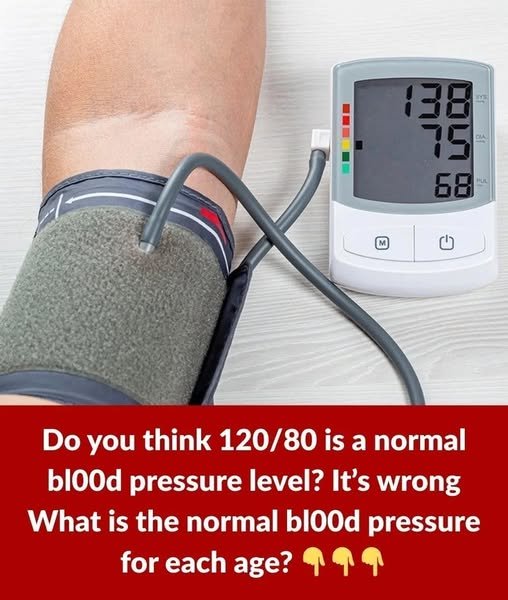
Normal Blood Pressure by Age
Blood pressure doesn’t have one exact “normal” value for each age. In adults, age alone isn’t used to set different normal ranges. For most adults, the same general categories are used.
Adults
| Age | Generally healthy blood pressure |
|---|---|
| 18–39 | Around <120/80 mmHg |
| 40–59 | Around <120/80 mmHg |
| 60–79 | Around <120/80 mmHg |
| 80+ | Around <120/80 mmHg, but treatment targets may be individualized |
Understanding the Numbers
120/80 mmHg means:
- 120 = systolic pressure — pressure when your heart beats
- 80 = diastolic pressure — pressure when your heart relaxes between beats
For adults, commonly used categories are:
- Normal: less than 120/80
- Elevated: 120–129 and less than 80
- High blood pressure (Stage 1): 130–139 or 80–89
- High blood pressure (Stage 2): 140 or higher or 90 or higher
- Severe hypertension: higher than 180 and/or 120 — especially concerning if accompanied by symptoms
Children and Teenagers
Children are different. Their healthy blood-pressure ranges depend on age, sex, and height, so there isn’t one number that applies to every child.
Important
A single blood-pressure reading doesn’t necessarily mean you have high or low blood pressure. It’s better to take 2 readings, 1 minute apart, while seated and relaxed, and look at the pattern over several days.
If you tell me your age and your blood-pressure reading (for example, 125/78), I can explain whether that reading falls within the usual adult range.