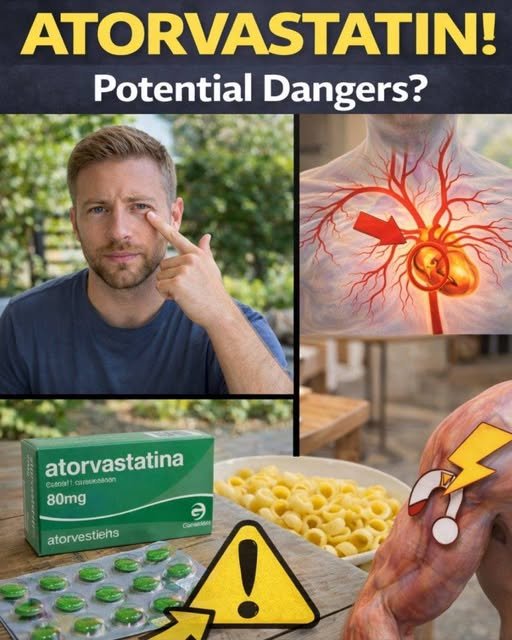
Atorvastatin Side Effects: What You Should Know
Atorvastatin is a statin medication used to lower LDL (“bad”) cholesterol and reduce the risk of heart attack and stroke. It is generally well tolerated, but like all medicines, it can cause side effects. The phrase “15 hidden dangers your doctor might not tell you about” is misleading—these risks are documented and should be discussed as part of routine medication counseling.
15 Possible Side Effects and Risks
1. Muscle Aches
Some people develop unexplained muscle soreness, tenderness, or aching while taking atorvastatin.
2. Muscle Weakness
Muscle weakness can occasionally occur, particularly if symptoms are persistent or unusual.
3. Muscle Inflammation
Rarely, statins can cause muscle inflammation associated with significant muscle symptoms and elevated muscle enzymes.
4. Rhabdomyolysis
This is a very rare but serious breakdown of muscle tissue that can damage the kidneys.
Seek urgent medical attention if you develop severe muscle pain or weakness, particularly with dark or cola-colored urine.
5. Headache
Headache is a reported side effect and is generally mild when it occurs.
6. Nausea
Some people experience nausea or stomach discomfort after taking atorvastatin.
7. Diarrhea
Changes in bowel habits, including diarrhea, can occur.
8. Indigestion
Some people report indigestion or other gastrointestinal discomfort.
9. Increased Blood Sugar
Statins can cause a small increase in blood glucose or HbA1c in some people. For most patients, the cardiovascular benefits of statin therapy outweigh this risk.
10. Liver Enzyme Elevations
Atorvastatin can cause increases in liver enzymes. Significant liver injury is uncommon, but unexplained symptoms such as unusual fatigue, loss of appetite, upper abdominal discomfort, dark urine, or yellowing of the skin or eyes should be medically evaluated.
11. Allergic Reactions
Rarely, people can develop an allergic reaction.
Seek emergency help for swelling of the face, lips, tongue, or throat, difficulty breathing, or severe widespread symptoms.
12. Sleep Disturbances
Sleep problems have been reported by some people taking statins, although the relationship isn’t always clear.
13. Memory or Concentration Problems
Some people report temporary memory loss or confusion while taking statins. These reports are uncommon, and evidence does not establish that atorvastatin commonly causes permanent cognitive decline.
14. Drug Interactions
Atorvastatin can interact with certain medications and substances.
Of particular importance are some antibiotics, antifungal medicines, HIV medicines, and other drugs that affect how atorvastatin is metabolized.
Always tell your doctor or pharmacist about all prescription medicines, over-the-counter medicines, and supplements you’re taking.
15. Grapefruit Interactions
Large amounts of grapefruit or grapefruit juice can increase atorvastatin levels in the bloodstream, potentially increasing the risk of side effects.
If you regularly consume grapefruit, ask your doctor or pharmacist how much is appropriate for you.
When to Seek Medical Help
Contact a healthcare professional promptly if you develop:
- Unexplained or persistent muscle pain
- Significant muscle weakness
- Severe fatigue
- Dark urine
- Yellow skin or eyes
- Severe abdominal pain
- Unusual allergic symptoms
Severe muscle pain or weakness accompanied by dark urine is an emergency warning sign.
Should You Stop Atorvastatin If You Have Side Effects?
Don’t stop atorvastatin on your own.
Stopping a prescribed statin can increase your cardiovascular risk, particularly if you have previously had heart disease, a stroke, or another condition for which the medicine was prescribed.
If you experience side effects, your healthcare professional can determine whether they are related to atorvastatin and may adjust the dose, change the medication, or investigate other causes.
Important Takeaway
Atorvastatin has potential side effects, but serious complications are uncommon. For people who need statin therapy, lowering LDL cholesterol can substantially reduce cardiovascular risk.
The best approach is not to fear the medication but to know the warning signs, check for drug interactions, and discuss persistent symptoms with your healthcare professional.